“`html

Ocean City, Md. – In a decisive move, the Ocean City Council has approved new restrictions on short-term rentals, despite opposition from over 200 residents. The council’s decision came after a comprehensive review of community concerns and potential impacts on local neighborhoods.


Occupancy Limits Enforced

The newly approved occupancy proposal limits the number of guests in rental units to two people per bedroom, plus an additional two occupants. Significantly, children under 10 years old are not counted in this total. The ordinance also prohibits the conversion of attics, garages, and other non-bedroom spaces into bedrooms unless they comply with town permitting requirements. This measure aims to maintain the integrity of residential areas and align with the town’s noise ordinance, adjusting the overnight accommodation period to midnight through 7 a.m.


Minimum Stay Requirement

A second proposal, which establishes a five-night minimum stay for rentals in R-1 and MH zoning districts, passed its first reading with a 5-2 vote. This proposal is set for a second reading for final approval. Realtor Terry Miller, who spearheaded opposition with approximately 200 signatures, argued that this policy could drastically reduce rental income during the summer months, as the national average stay is just 3.41 days. However, Mayor Rick Meehan defended the measure, emphasizing the need to preserve the character and tranquility of residential neighborhoods.


Moratorium on New Licenses

Adding to the regulatory changes, the council has enacted an 11-month moratorium on new short-term rental licenses in the R-1 and MH districts. This moratorium is effective immediately but does not affect applications submitted before January 28, 2025. Property owners with existing rental licenses can apply for renewal and supplementary short-term rental licenses for the 2025 license year.


The original article detailing these developments can be accessed here. This decision by the Ocean City Council marks a significant shift in local policy, aimed at balancing rental activity with community interests. The minimum stay proposal awaits further deliberation in the upcoming council meeting.

“`

More Articles

Getting licensed or staying ahead in your career can be a journey—but it doesn’t have to be overwhelming. Grab your favorite coffee or tea, take a moment to relax, and browse through our articles. Whether you’re just starting out or renewing your expertise, we’ve got tips, insights, and advice to keep you moving forward. Here’s to your success—one sip and one step at a time!

Artificial Intelligence in Diagnostics: A Revolution in Healthcare

The global market for artificial intelligence in diagnostics is poised for remarkable growth, with projections estimating it to reach USD 7.3 billion by 2032.

By |December 10, 2024|Categories: Article, Artificial Intelligence, Healthcare|Tags: , |0 Comments

Revolutionizing Medical Education with Extended Reality

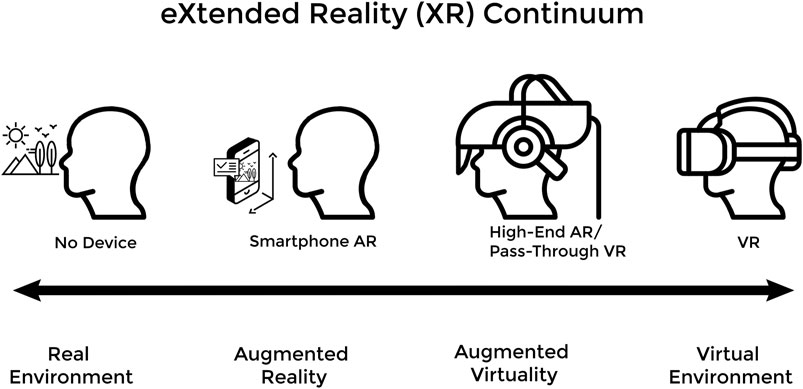
In the ever-evolving landscape of medical education, a new player has emerged, promising to revolutionize the way future doctors are trained. The integration of eXtended Reality (XR) technologies is reshaping the educational landscape by addressing the limitations of traditional methods.

Genetic Testing: A New Dawn in Healthcare

Genetic testing represents more than just a scientific advancement; it signifies a fundamental shift in how we approach health and wellness.

Sustainable Architecture: Blending Innovation with Ecological Responsibility

The journey toward sustainable architecture is ongoing, with each project serving as a beacon of what's achievable when creativity meets ecological awareness.

By |December 9, 2024|Categories: Architecture, Article, Sustainability|Tags: |0 Comments

AI in Clinical and Molecular Diagnostics: A Market on the Rise

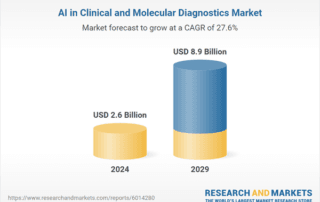
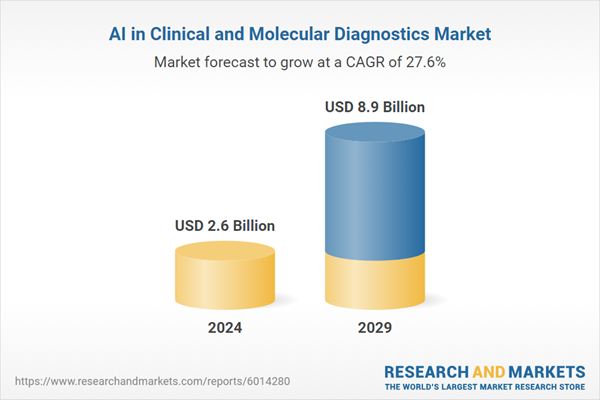
AI in Clinical and Molecular Diagnostics Market is set to experience remarkable growth, projected to surge from USD 2.6 billion in 2024 to USD 8.9 billion by 2029. This growth is driven by the integration of advanced AI technologies such as machine learning and deep learning into traditional diagnostic methodologies like imaging, genomics, and laboratory testing.

AI: A Revolution in Healthcare’s Future

AI is not a distant dream but a present reality, already integrated into everyday life through virtual assistants like Alexa and Siri. AI shows promise in enhancing medical accuracy, such as in predicting mesothelioma survival and improving colonoscopy accuracy, it is not intended to replace healthcare professionals.