How Off‑Market Deals and Investor Demand Are Rewriting the Rules of Residential Real Estate
The housing market is shifting faster than at any point in recent memory. Off‑market activity, swelling investor demand, regulatory shakeups, and an all‑out portal war are transforming how homes are found, bought, sold, and represented. And for today’s real estate professionals—whether brand‑new or seasoned—understanding this new environment is no longer optional.
According to HousingWire, new listings fell 1.7% year over year at the end of 2025, driving existing home sales to near 30‑year lows. High rates and thin inventory have forced agents to pivot their strategies, embracing a world where MLS activity is only part of the business—and off‑market deal flow is now a permanent fixture.
Off‑Market Ecosystems Rewrite the Playbook
More homes are being traded through private and semi‑private networks, bypassing the MLS entirely. Wholesalers, fix‑and‑flip operators, and small investors dominate the $100,000 to $300,000 segment, out‑competing first‑time buyers and reshaping the lower end of the market. These alternative pipelines aren’t temporary responses to interest rates—they’ve become core to how real estate moves.
For agents, this means access to off‑market channels is now a competitive advantage. Many professionals looking to sharpen these skills turn to institutions like Cameron Academy, especially as Florida and other states see investor-driven buying surge.
Small Investors Take Center Stage
The rise of “retail” investors is one of the biggest shifts of the decade. Realtor.com reports that 10.8% of Q2 home sales nationwide went to investors—62.5% of which were small players acquiring 10, 20, or even 100‑property rental portfolios. As affordability shrinks, rentals soar, and frictionless financing options expand, these investors fill a gap left by traditional buyers.
Agents who understand investor psychology—ROI, renovations, cash flow—are building entirely new revenue streams. For those entering the business, investor specialization is becoming one of the most lucrative niches to learn early.
Regulation: A Moving Target
The DOJ–NAR settlement, commission disclosure rules, and buyer‑agent compensation changes triggered short‑term chaos in early 2025. But as clarity emerged, so did calmer workflows. Despite speculation, commissions haven’t evaporated—dollars simply moved.
The real pressure points? Affordability, zoning, and inventory—not compensation. Even floated ideas, like restrictions on institutional single‑family purchases, have sent waves of uncertainty through the industry and will likely remain a heated topic through 2026.
The Portal Wars Intensify
Zillow, Realtor.com, Homes.com—each is battling for dominance in a low‑volume environment, pouring millions into marketing, tech, and agent partnerships. Homes.com, backed by CoStar, is positioning itself as the agent‑friendly alternative, while Zillow continues innovating despite legal scrutiny and data battles.
Major deals—including Compass’s $1.6B acquisition of Anywhere Real Estate and Rocket Cos.’ planned purchase of Redfin—signal an industry consolidating for survival and scale.
What It All Means for Agents and Brokers
The industry is splitting into two speeds. On one side are investor-driven, commoditized transactions where speed trumps relationship. On the other are complex, consultative deals—where agents shine, and human expertise is irreplaceable.
Brokerages that tap into off‑MLS channels, offer renovation concierge programs, manage rental portfolios, or align with investor groups are capturing new opportunities. Technology and AI continue to push the industry toward efficiency, but experienced agents remain central to client decision‑making.
Looking Ahead
The next era of real estate will reward adaptability. Success will belong to professionals who understand investors, navigate off‑market ecosystems, stay compliant with evolving regulations, and use data to help clients make smarter decisions.
For anyone looking to enter the field—or seasoned agents preparing to level up—the most powerful investment you can make is in practical knowledge. That’s why institutions like Cameron Academy are becoming essential partners for agents who want to thrive in a rapidly shifting landscape.
For more on the original reporting and in‑depth industry insights, explore the full article at HousingWire.
More Articles
Getting licensed or staying ahead in your career can be a journey—but it doesn’t have to be overwhelming. Grab your favorite coffee or tea, take a moment to relax, and browse through our articles. Whether you’re just starting out or renewing your expertise, we’ve got tips, insights, and advice to keep you moving forward. Here’s to your success—one sip and one step at a time!
Florida homeowners — especially in hard‑hit South Florida — are set to see rare and substantial reductions in their property insurance premiums. Gov. Ron DeSantis announced an average statewide Citizens Insurance decrease of 8.7%, with even larger savings of up to 14% in counties like Miami-Dade, Broward, and Palm Beach. State officials credit recent legal and regulatory reforms for stabilizing the market, attracting new insurers, and delivering the first meaningful rate relief Floridians have seen in years.
Tampa’s commercial real estate market isn’t slowing—it’s maturing. With strong population growth, rising office demand, a normalized industrial sector, resurgent retail, and an emerging health‑care real estate boom, investors are shifting from speed to strategy. Tighter underwriting, cautious capital and increased due‑diligence are shaping a more disciplined market, creating new opportunities for informed professionals.
Florida homeowners are finally seeing relief as Citizens Property Insurance announces a major 8.7% average rate decrease—far larger than originally proposed. Driven by legislative reforms, fewer lawsuits, and a calm hurricane season, the state’s once‑unstable insurance market is showing real signs of recovery. But with reduced coverage limits and shifting legal protections, experts warn that lower premiums may come with hidden trade‑offs.
After a decade of rising premiums and retreating carriers, Florida homeowners are finally seeing long‑awaited relief. Dozens of insurers have filed for rate decreases—some as high as 11%—thanks to legislative reforms and a stabilizing market. Early approvals are already hitting counties across the state, and experts say the momentum could boost buyer confidence, affordability, and competition throughout Florida’s real estate and insurance sectors.
After years of slowed activity caused by rising interest rates, the self‑storage industry is heating up again. New data from Marcus & Millichap shows a fresh market cycle emerging, driven by renewed buyer confidence, recalibrated pricing, and stronger lender participation. Acquisitions are rebounding, development is resetting in a healthier direction, and financing conditions are improving—creating one of the most promising investment landscapes the sector has seen in years.
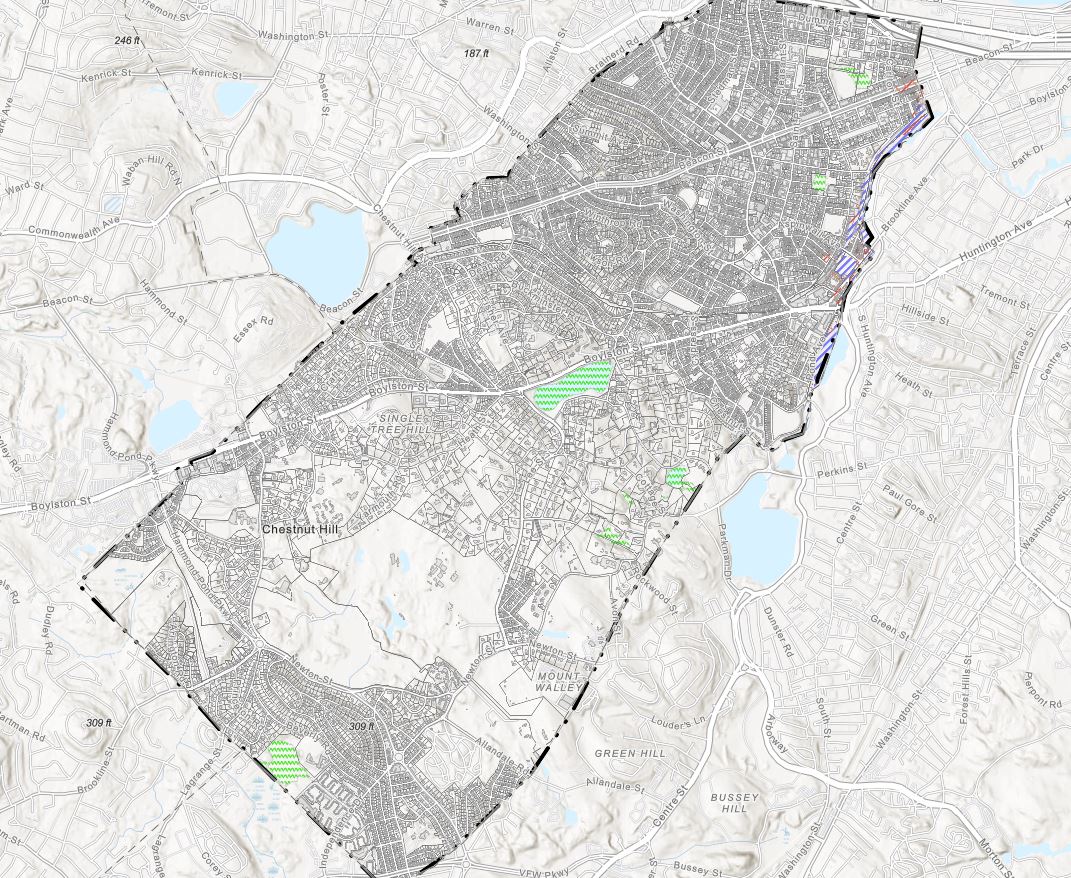
Brookline’s newly updated FEMA flood maps identify 97 high‑risk parcels, but local experts warn the true threat is far greater. While FEMA highlights river‑based flooding around Leverett Pond and the Muddy River, alternative models show more than 1,300 Brookline properties at risk within 30 years. Hidden vulnerabilities along major corridors like Beacon Street, rising rainfall intensity, aging infrastructure, and climate‑driven storm patterns suggest that many “low‑risk” areas may be anything but safe.