Office Space Transformation: A Post-Pandemic Opportunity
The COVID-19 pandemic has dramatically reshaped the landscape of commercial real estate in the United States. As remote work became the norm, office vacancy rates soared to unprecedented levels, leaving many urban centers with empty office buildings. This shift has sparked a new trend: converting vacant office spaces into housing.
According to a report from the Center for American Progress, the United States is currently short 3.8 million housing units, and the adaptive reuse of office buildings is seen as a potential solution to this crisis. The report highlights that the Biden-Harris administration supports these conversions as a means to increase the housing supply while addressing the financial woes of commercial real estate owners.
Challenges and Opportunities
While converting office space into residential units offers potential benefits, it is not without challenges. The report emphasizes that financing, building layout, and market conditions are significant hurdles. Office buildings, especially those classified as Class B and C, often feature designs that are not conducive to residential use, lacking natural light and adequate plumbing for multiple units.
Despite these challenges, there are notable examples of successful conversions. Cities like Los Angeles and Alexandria, Virginia, have led the way in transforming office spaces into housing units. These cities have leveraged government incentives and streamlined zoning regulations to facilitate the conversions.
Government Initiatives
State and local governments are increasingly offering incentives to encourage office-to-housing conversions. For instance, California has allocated $400 million for such projects, while Wisconsin has introduced interest-free loans to support developers. These initiatives aim to address the affordable housing shortage and revitalize urban centers.
At the federal level, the Biden-Harris administration has released a guidebook outlining programs to support these conversions. The administration is focused on ensuring that new residential properties are not only affordable but also energy-efficient, aligning with broader climate goals.
Recommendations
The Center for American Progress report offers several recommendations to enhance the feasibility of office-to-housing conversions. It suggests integrating these projects into mixed-use development plans, utilizing climate-focused financial resources, and exploring all viable options to increase the overall housing supply. These strategies aim to create vibrant, sustainable urban environments that meet the housing needs of the population.
As cities continue to grapple with the dual challenges of office vacancies and housing shortages, the conversion of office spaces into residential units presents a promising opportunity. With the right incentives and strategic planning, these projects can play a crucial role in shaping the future of urban living.
“`
More Articles
Getting licensed or staying ahead in your career can be a journey—but it doesn’t have to be overwhelming. Grab your favorite coffee or tea, take a moment to relax, and browse through our articles. Whether you’re just starting out or renewing your expertise, we’ve got tips, insights, and advice to keep you moving forward. Here’s to your success—one sip and one step at a time!
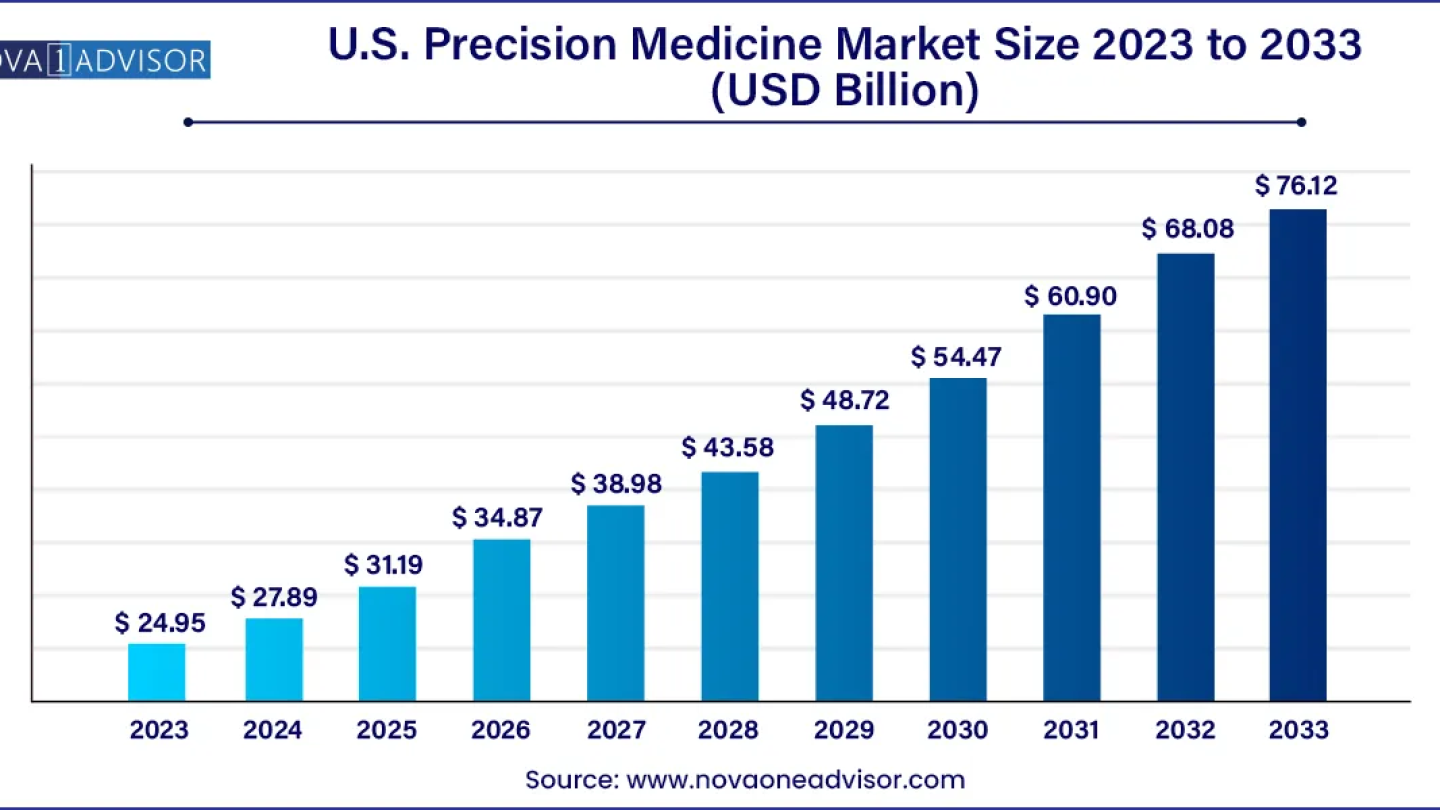
The U.S. precision medicine market is projected to expand from USD 24.95 billion in 2023 to a staggering USD 76.12 billion by 2033, driven by a compound annual growth rate (CAGR) of 11.80% from 2024 to 2033.
"As we edge closer to 2025, experts from the cybersecurity firm Resilience have shared their insights, shedding light on the challenges and transformations that lie ahead."
In an unprecedented leap for preventive medicine, the National Health Service (NHS) in England is poised to trial Aire-DM, a groundbreaking AI tool designed to predict the risk of type 2 diabetes a remarkable 13 years before its onset.
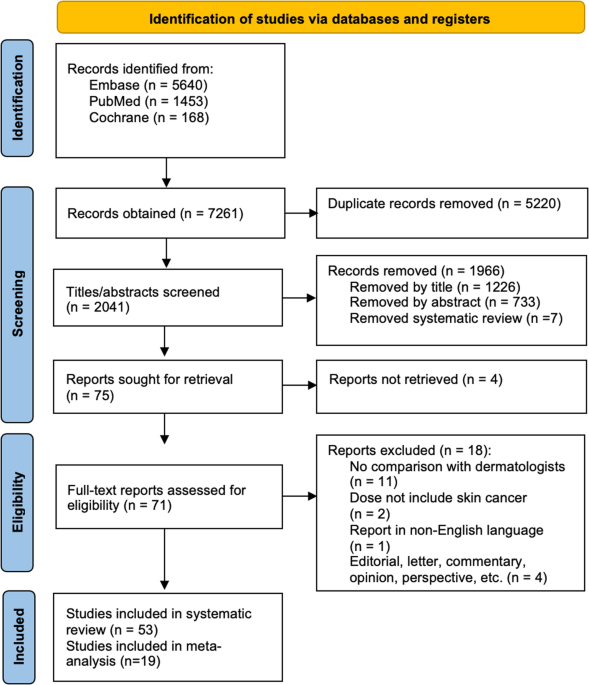
In a groundbreaking study, AI shows potential to match or surpass specialists in diagnosing skin cancer, challenging traditional dermatological practices.
In a world where the promise of personalized medicine is finally being realized, Erez Meltzer, CEO & Board Member of Nanox, stands at the forefront of this revolution.
In a compelling exploration of the financial landscape, Himanshu Kumar, CEO of AMBCrypto, delves into the transformative potential of Decentralized Finance (DeFi) and its implications for traditional banking. Highlighting DeFi's revolutionary approach, Kumar discusses how the democratization of financial services through blockchain technology is reshaping access, breaking down barriers, and challenging established institutions.