
“`html

Office Space Transformation: A Post-Pandemic Opportunity

The COVID-19 pandemic has dramatically reshaped the landscape of commercial real estate in the United States. As remote work became the norm, office vacancy rates soared to unprecedented levels, leaving many urban centers with empty office buildings. This shift has sparked a new trend: converting vacant office spaces into housing.

According to a report from the Center for American Progress, the United States is currently short 3.8 million housing units, and the adaptive reuse of office buildings is seen as a potential solution to this crisis. The report highlights that the Biden-Harris administration supports these conversions as a means to increase the housing supply while addressing the financial woes of commercial real estate owners.

Michela zonta, former senior policy analyst, housing policy

Challenges and Opportunities

While converting office space into residential units offers potential benefits, it is not without challenges. The report emphasizes that financing, building layout, and market conditions are significant hurdles. Office buildings, especially those classified as Class B and C, often feature designs that are not conducive to residential use, lacking natural light and adequate plumbing for multiple units.


Despite these challenges, there are notable examples of successful conversions. Cities like Los Angeles and Alexandria, Virginia, have led the way in transforming office spaces into housing units. These cities have leveraged government incentives and streamlined zoning regulations to facilitate the conversions.

Government Initiatives

State and local governments are increasingly offering incentives to encourage office-to-housing conversions. For instance, California has allocated $400 million for such projects, while Wisconsin has introduced interest-free loans to support developers. These initiatives aim to address the affordable housing shortage and revitalize urban centers.


At the federal level, the Biden-Harris administration has released a guidebook outlining programs to support these conversions. The administration is focused on ensuring that new residential properties are not only affordable but also energy-efficient, aligning with broader climate goals.

Recommendations

The Center for American Progress report offers several recommendations to enhance the feasibility of office-to-housing conversions. It suggests integrating these projects into mixed-use development plans, utilizing climate-focused financial resources, and exploring all viable options to increase the overall housing supply. These strategies aim to create vibrant, sustainable urban environments that meet the housing needs of the population.


As cities continue to grapple with the dual challenges of office vacancies and housing shortages, the conversion of office spaces into residential units presents a promising opportunity. With the right incentives and strategic planning, these projects can play a crucial role in shaping the future of urban living.

“`

More Articles

Getting licensed or staying ahead in your career can be a journey—but it doesn’t have to be overwhelming. Grab your favorite coffee or tea, take a moment to relax, and browse through our articles. Whether you’re just starting out or renewing your expertise, we’ve got tips, insights, and advice to keep you moving forward. Here’s to your success—one sip and one step at a time!

Is Florida’s Booming Real Estate Market Becoming Unaffordable?

Florida is facing a real estate crisis marked by skyrocketing insurance premiums, stringent FEMA rules, and a surge in hedge fund property acquisitions.

By |November 14, 2024|Categories: Article, Finance/Economy, Real Estate|Tags: , |0 Comments

Revolutionizing Cancer Therapy: The Promise of Patient-Derived Organoids

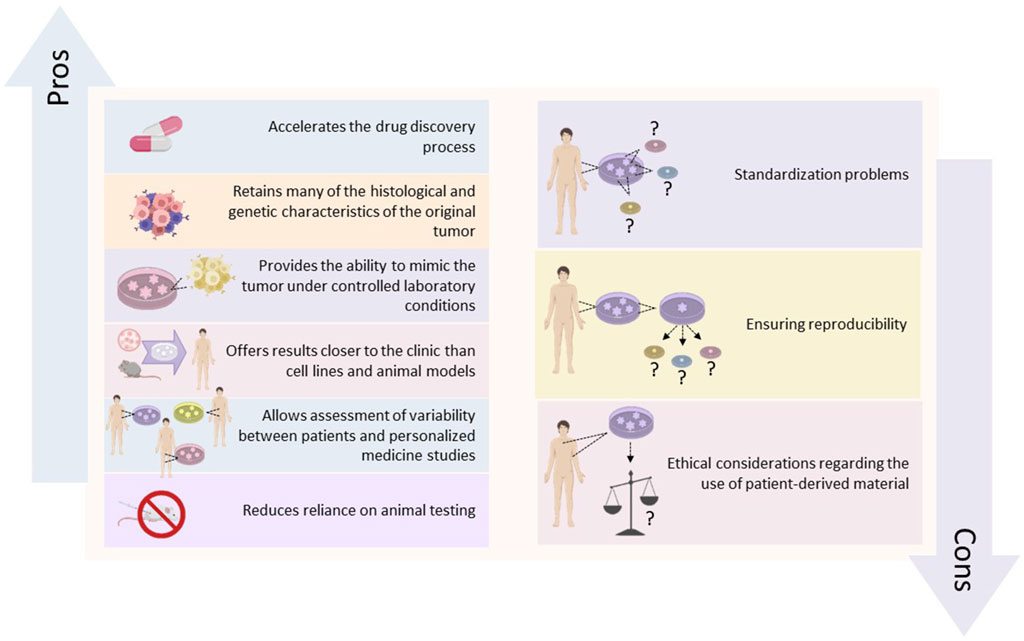
Patient-derived organoids offer an unprecedented opportunity to replicate the complex structure and genetic makeup of cancers, providing a more accurate model for clinical drug screening and pharmacognostic assessment.

The AI Revolution in Dermatology: A Systematic Review

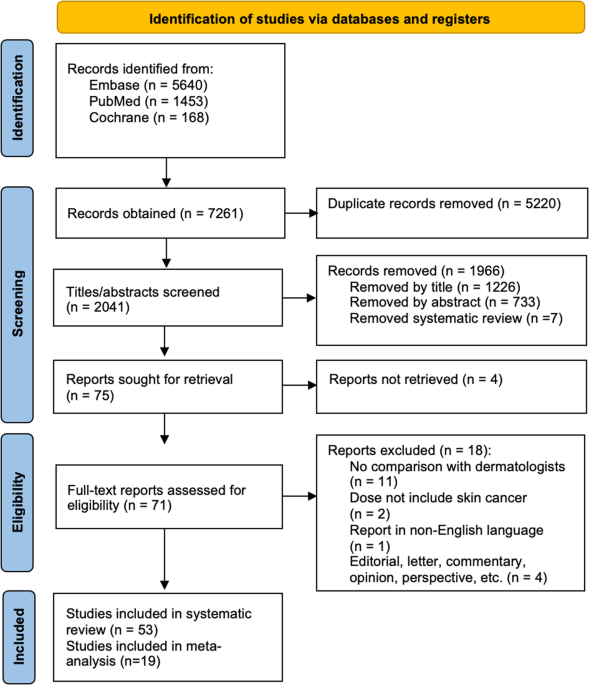
In a groundbreaking study published in Nature, researchers have delved into the burgeoning field of artificial intelligence (AI) in dermatology, specifically examining its role in diagnosing skin cancer. The study, titled "A Systematic Review and Meta-Analysis of Artificial Intelligence Versus Clinicians for Skin Cancer Diagnosis," offers a comprehensive look at how AI stacks up against human clinicians in this critical area of healthcare.

By |November 14, 2024|Categories: AI in Healthcare, Article, Dermatology|Tags: , |0 Comments

The Fast Lane to Fully Autonomous Vehicles: Industry Innovations and Future Prospects

The automotive world is abuzz with announcements from major players like Tesla, Rimac, Renault, and Nissan, each unveiling plans to introduce autonomous vehicles in the near future. Tesla's much-anticipated "CyberCab" is set for an October 2024 debut, while Rimac and Renault are gearing up for releases in 2026.

Futureproofing for Insurers: The Role of AI and Hyper-Personalization

In a rapidly evolving industry, insurance companies are turning to artificial intelligence (AI) and hyper-personalization to stay ahead of the curve.

Revolutionizing Healthcare: The Power and Potential of AI

AI technology offers a multitude of benefits, from enhancing patient outcomes to reducing healthcare costs and improving population health. Its application ranges from preventive screenings to complex diagnostic procedures, marking a new era in medical care.

By |November 13, 2024|Categories: Article, Artificial Intelligence, Healthcare|Tags: , |0 Comments