Office Space Transformation: A Post-Pandemic Opportunity
The COVID-19 pandemic has dramatically reshaped the landscape of commercial real estate in the United States. As remote work became the norm, office vacancy rates soared to unprecedented levels, leaving many urban centers with empty office buildings. This shift has sparked a new trend: converting vacant office spaces into housing.
According to a report from the Center for American Progress, the United States is currently short 3.8 million housing units, and the adaptive reuse of office buildings is seen as a potential solution to this crisis. The report highlights that the Biden-Harris administration supports these conversions as a means to increase the housing supply while addressing the financial woes of commercial real estate owners.
Challenges and Opportunities
While converting office space into residential units offers potential benefits, it is not without challenges. The report emphasizes that financing, building layout, and market conditions are significant hurdles. Office buildings, especially those classified as Class B and C, often feature designs that are not conducive to residential use, lacking natural light and adequate plumbing for multiple units.
Despite these challenges, there are notable examples of successful conversions. Cities like Los Angeles and Alexandria, Virginia, have led the way in transforming office spaces into housing units. These cities have leveraged government incentives and streamlined zoning regulations to facilitate the conversions.
Government Initiatives
State and local governments are increasingly offering incentives to encourage office-to-housing conversions. For instance, California has allocated $400 million for such projects, while Wisconsin has introduced interest-free loans to support developers. These initiatives aim to address the affordable housing shortage and revitalize urban centers.
At the federal level, the Biden-Harris administration has released a guidebook outlining programs to support these conversions. The administration is focused on ensuring that new residential properties are not only affordable but also energy-efficient, aligning with broader climate goals.
Recommendations
The Center for American Progress report offers several recommendations to enhance the feasibility of office-to-housing conversions. It suggests integrating these projects into mixed-use development plans, utilizing climate-focused financial resources, and exploring all viable options to increase the overall housing supply. These strategies aim to create vibrant, sustainable urban environments that meet the housing needs of the population.
As cities continue to grapple with the dual challenges of office vacancies and housing shortages, the conversion of office spaces into residential units presents a promising opportunity. With the right incentives and strategic planning, these projects can play a crucial role in shaping the future of urban living.
“`
More Articles
Getting licensed or staying ahead in your career can be a journey—but it doesn’t have to be overwhelming. Grab your favorite coffee or tea, take a moment to relax, and browse through our articles. Whether you’re just starting out or renewing your expertise, we’ve got tips, insights, and advice to keep you moving forward. Here’s to your success—one sip and one step at a time!
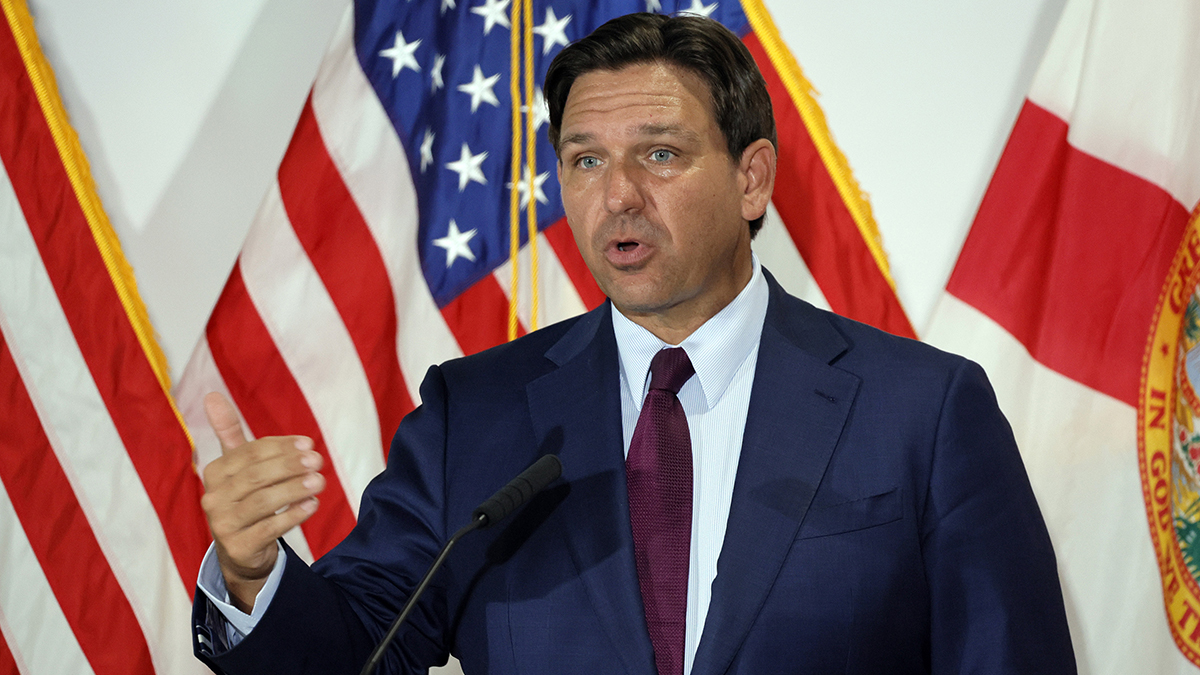
Florida homeowners — especially in hard‑hit South Florida — are set to see rare and substantial reductions in their property insurance premiums. Gov. Ron DeSantis announced an average statewide Citizens Insurance decrease of 8.7%, with even larger savings of up to 14% in counties like Miami-Dade, Broward, and Palm Beach. State officials credit recent legal and regulatory reforms for stabilizing the market, attracting new insurers, and delivering the first meaningful rate relief Floridians have seen in years.
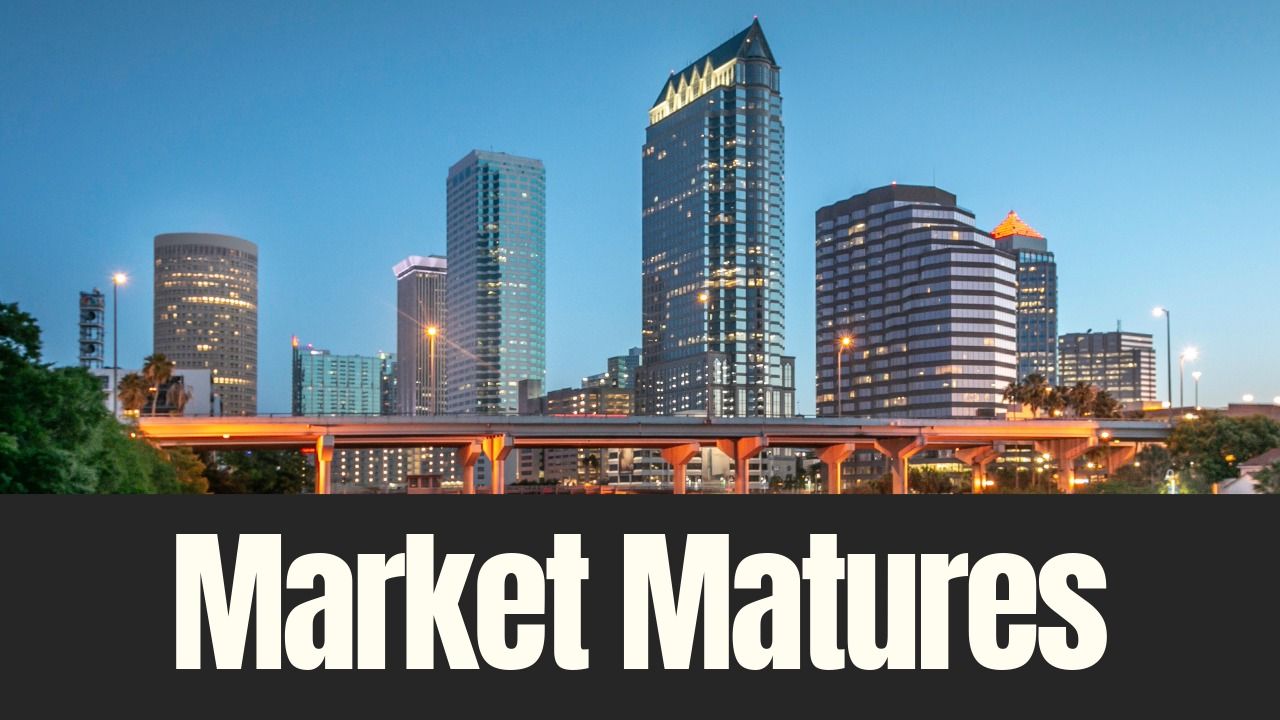
Tampa’s commercial real estate market isn’t slowing—it’s maturing. With strong population growth, rising office demand, a normalized industrial sector, resurgent retail, and an emerging health‑care real estate boom, investors are shifting from speed to strategy. Tighter underwriting, cautious capital and increased due‑diligence are shaping a more disciplined market, creating new opportunities for informed professionals.
Florida homeowners are finally seeing relief as Citizens Property Insurance announces a major 8.7% average rate decrease—far larger than originally proposed. Driven by legislative reforms, fewer lawsuits, and a calm hurricane season, the state’s once‑unstable insurance market is showing real signs of recovery. But with reduced coverage limits and shifting legal protections, experts warn that lower premiums may come with hidden trade‑offs.
After a decade of rising premiums and retreating carriers, Florida homeowners are finally seeing long‑awaited relief. Dozens of insurers have filed for rate decreases—some as high as 11%—thanks to legislative reforms and a stabilizing market. Early approvals are already hitting counties across the state, and experts say the momentum could boost buyer confidence, affordability, and competition throughout Florida’s real estate and insurance sectors.
After years of slowed activity caused by rising interest rates, the self‑storage industry is heating up again. New data from Marcus & Millichap shows a fresh market cycle emerging, driven by renewed buyer confidence, recalibrated pricing, and stronger lender participation. Acquisitions are rebounding, development is resetting in a healthier direction, and financing conditions are improving—creating one of the most promising investment landscapes the sector has seen in years.
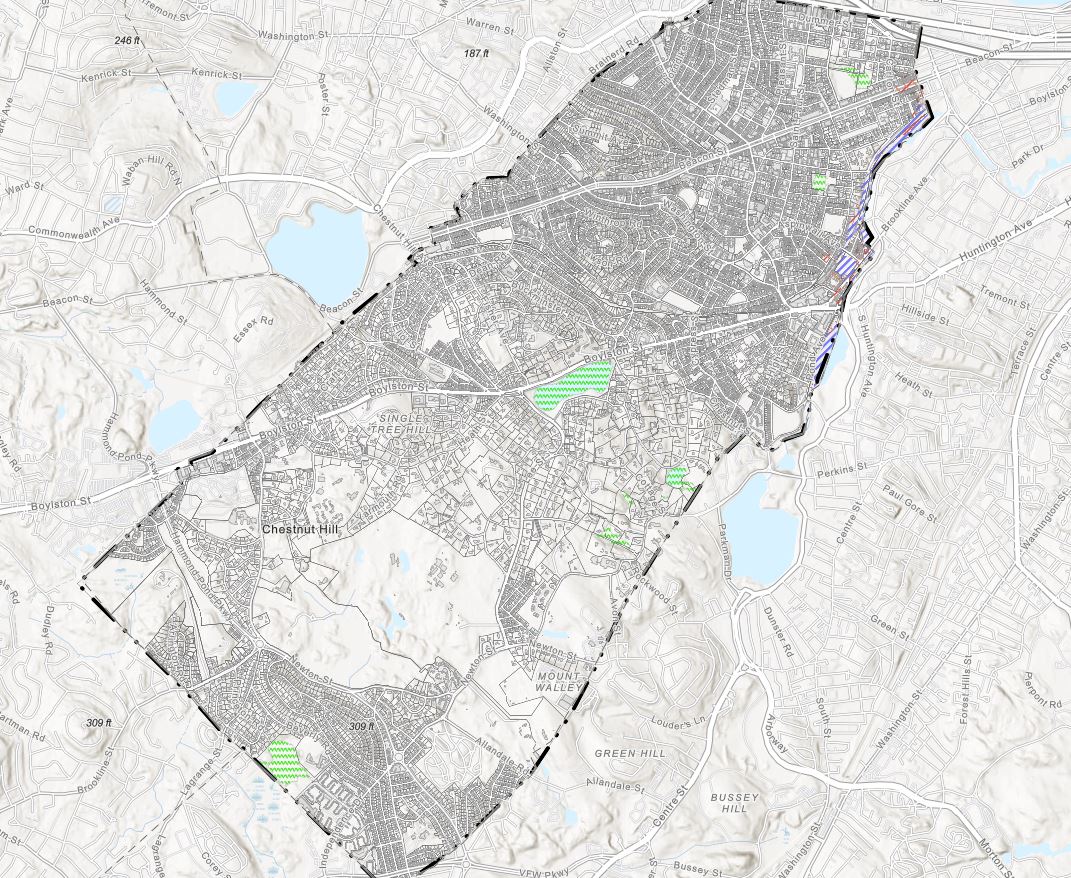
Brookline’s newly updated FEMA flood maps identify 97 high‑risk parcels, but local experts warn the true threat is far greater. While FEMA highlights river‑based flooding around Leverett Pond and the Muddy River, alternative models show more than 1,300 Brookline properties at risk within 30 years. Hidden vulnerabilities along major corridors like Beacon Street, rising rainfall intensity, aging infrastructure, and climate‑driven storm patterns suggest that many “low‑risk” areas may be anything but safe.