Ohio Governor Mike DeWine, flanked by Lt. Governor Jon Husted and Ohio Department of Development Director Lydia Mihalik, has announced a significant financial boost for the state’s infrastructure. On September 19, 2024, the trio unveiled a sweeping $18.2 million grant package aimed at revitalizing neighborhoods and enhancing critical infrastructure across 34 communities in Ohio. This monumental investment is poised to transform the landscape of these regions, focusing on upgrading water and sewer systems, repairing roads, and bolstering public safety measures.

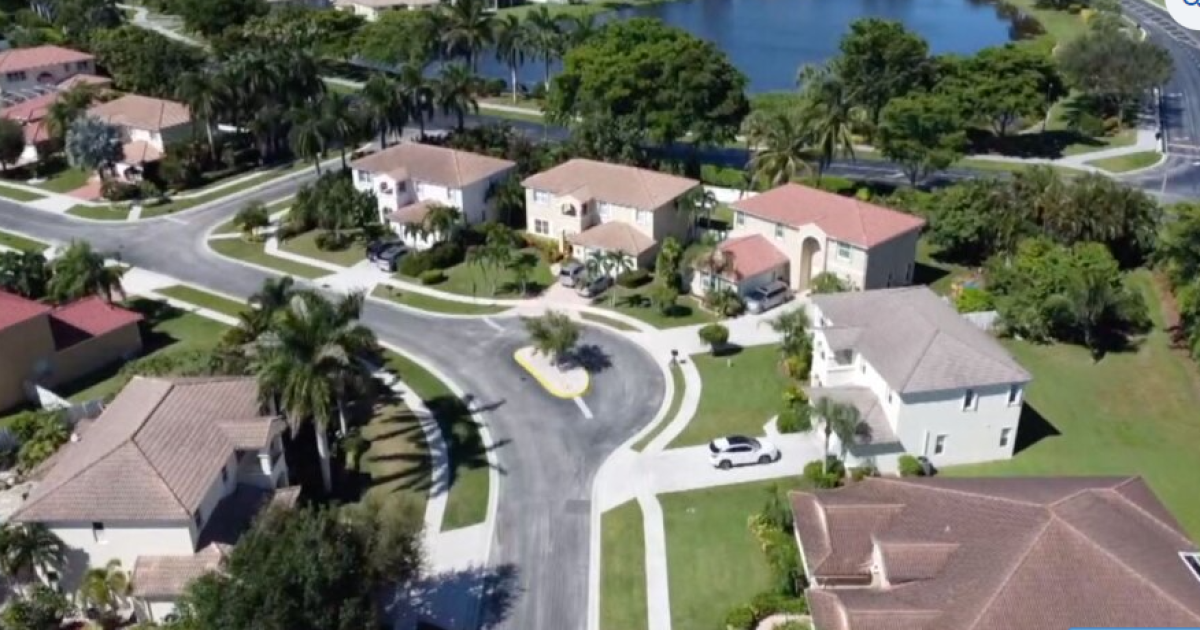
Ohio infrastructure project

Infrastructure and Neighborhood Revitalization

The announcement underscores a commitment to not only improve the quality of life for Ohioans but also to lay the groundwork for robust economic development. As Governor DeWine eloquently stated, “With this funding, we are addressing vital needs in communities across the state.” This initiative is a testament to the collaborative efforts between the government and local communities, aiming to make Ohio’s neighborhoods safer and more vibrant for future generations.

Economic Development and Quality of Life Improvement

Lt. Governor Husted emphasized the economic implications of the investment, noting that “Strong infrastructure is the foundation of a thriving economy.” The grants will enable communities to develop resources crucial for job creation and an enhanced quality of life, ensuring that Ohio remains competitive and attractive for businesses and residents alike.

Critical Infrastructure and Neighborhood Revitalization Grants

The funding is divided into two main categories:

  • Neighborhood Revitalization grants: Ten communities will share $7.5 million, focusing on public facility improvements, fire protection facilities, and community centers in low- and moderate-income areas.
  • Critical Infrastructure grants: 24 communities will receive a total of $10.7 million, targeting high-priority improvements such as flood and drainage facilities, water and sanitary sewer facilities, and street reconstruction.

For more detailed information about the projects and specific community allocations, the full original article provides an in-depth look at how these funds will be utilized.

Government and Community Collaboration

Director Lydia Mihalik highlighted the often unseen but crucial impact of infrastructure projects, stating, “This type of infrastructure may not always be visible, but its impact is felt every day.” The projects funded through this initiative will not only strengthen the physical foundation of Ohio’s communities but also prepare them to be the next great economic success story.

Commitment to Enhancing Safety and Services

The grant awards, funded through the federal Community Development Block Grant program, reflect a broader trend of investing in public infrastructure to enhance safety and services in local communities. This strategic allocation of resources is expected to yield long-term benefits, reinforcing Ohio’s position as a leader in community development and infrastructure innovation.


More Articles

Getting licensed or staying ahead in your career can be a journey—but it doesn’t have to be overwhelming. Grab your favorite coffee or tea, take a moment to relax, and browse through our articles. Whether you’re just starting out or renewing your expertise, we’ve got tips, insights, and advice to keep you moving forward. Here’s to your success—one sip and one step at a time!

Illinois Launches 2026 With 200+ New Laws Reshaping Work, Healthcare, and Education

Illinois kicked off the new year with more than 200 laws taking effect, impacting professionals across healthcare, insurance, real estate, education, and other regulated industries. From major healthcare coverage expansions to new AI hiring limits, enhanced worker protections, school safety reforms, and upgraded public‑safety standards, nearly every sector will see meaningful changes. As compliance expectations grow, institutions like Cameron Academy help professionals stay prepared and career‑ready in an evolving regulatory landscape.

Why Distressed Properties Could Become the Top Commercial Real Estate Opportunity of 2026

As commercial real estate moves beyond two turbulent years, 2026 is emerging as a year of growth for professionals who know where to look. According to First American economist Xander Snyder, the biggest wins may come not from booming sectors but from distressed properties—especially those with short‑term issues that can recover with creative financing, recapitalization, or strategic repositioning. Multifamily distress, selective office restructuring, and the rise of non‑QM lending are setting the stage for brokers, investors, and new licensees to capitalize on flexible deal‑making and evolving market conditions.

2026 Becomes America’s Housing Turning Point

Housing is taking over the national spotlight in 2026, with federal leaders, big‑city mayors, and market professionals all zeroing in on affordability, supply, and sweeping policy changes. From President Trump’s promised reform agenda to looming Section 8 funding risks and aggressive city‑level zoning overhauls, the year is shaping up to be one of the most consequential periods for real estate and related licensed professions. For agents, mortgage brokers, insurance specialists, and anyone tied to the housing ecosystem, rapid shifts in policy and market conditions make 2026 a year where preparation, education, and adaptability will be essential.

When a Familiar Voice Becomes a Perfect Fake: AI Fraud Strikes Real Estate Finance

A lender wires $4.2 million after receiving what sounded like a routine call from a borrower’s attorney—same voice, same tone, same mannerisms. By morning, the truth emerges: the email was hacked, the phone call was an AI‑generated voice clone, and the money is gone. As scammers use AI to mimic voices, emails, and documents with startling accuracy, real estate finance has become a prime target. The industry’s growing reliance on AI brings efficiency, but also dangerous new vulnerabilities, pushing regulators, insurers, and professionals to rethink verification, security, and trust itself.

Americans Are Moving Differently — And It’s Reshaping Commercial Real Estate

A new wave of migration is changing the shape of commercial real estate as Americans trade costly metros for more affordable, lifestyle-friendly regions. Smaller Southern and mid‑Atlantic markets are gaining momentum, while pandemic boom states like Florida, Texas, and Arizona are now leveling off. These shifts are influencing demand for housing, retail, office parks, warehouses, and even self‑storage, signaling both fresh opportunities and heightened caution for investors and real estate professionals.

Florida May Slash or Eliminate Property Taxes in 2026, Sparking Hope and Alarm Across the State

Florida is gearing up for a potential overhaul of its property tax system, with lawmakers pushing proposals that could dramatically reduce or even eliminate property taxes by 2026. Homeowners facing rising bills welcome the idea, but city and county leaders warn it could cripple essential services like police, fire response, and local infrastructure. As political tensions escalate — including accusations of overspending and sharp pushback from local officials — real estate professionals should prepare for major market impacts if reforms move forward.