Optimism Amidst Uncertainty: The 2025 Life Sciences Outlook

The life sciences industry is gearing up for a transformative year in 2025, fueled by digital advancements and innovation, according to a recent report from the Deloitte US Center for Health Solutions. Despite potential disruptions, a significant number of industry executives remain optimistic about the future, anticipating substantial growth and technological breakthroughs.

Digital Transformation: A Key Driver

Digital transformation is set to be a cornerstone of change in the life sciences sector. Innovations in cloud computing, generative AI, and other digital technologies are expected to enhance products, services, and strategic decision-making. According to the survey, about 60% of executives are closely monitoring these emerging trends, with nearly the same percentage planning to increase investments in generative AI across the value chain. The potential of AI is immense, with biopharma companies expected to generate up to 11% in value relative to revenue through AI investments over the next five years. Similarly, medtech companies could see cost savings of up to 12% of total revenue within the next two to three years. For more insights, you can explore Deloitte’s detailed analysis in the Digital Transformation article.

Strategies to Mitigate Competitive Pressures

The report highlights that pricing and access to drugs and medical devices remain significant concerns for executives. Nearly half of the respondents expect these factors to significantly influence their strategies in 2025. The looming patent cliff, with over $300 billion in sales at risk due to expiring patents, is likely to drive mergers and acquisitions, with 77% of executives expecting an increase in M&A activity. Innovation is the industry’s response to these challenges, with companies focusing on profitable disease areas such as oncology and immunology. This strategic focus is crucial for maintaining competitive advantage and navigating the complexities of the market.

Adapting to Business Volatility

While optimism prevails, life sciences firms are also preparing for business volatility. Concerns about potential regulatory changes, geopolitical uncertainties, and supply chain disruptions are prompting companies to fortify their operations. Nearly 60% of executives identified optimizing operating models as a priority, with many turning to emerging technologies to streamline operations and enhance resilience.

Meeting Evolving Customer Expectations

Customer preferences are expected to play a pivotal role in shaping strategies. Companies are focusing on improving customer experience and engagement, with biopharma organizations demonstrating a greater urgency in addressing these needs compared to their medtech counterparts. The use of digital technologies to personalize customer interactions is becoming increasingly prevalent, as seen in initiatives by companies like Johnson & Johnson.

Looking Ahead

As the industry braces for a year of transformation, the integration of technologies like gen AI and the strategic focus on innovation underscore a promising future. The ability of life sciences companies to adapt and implement new initiatives will be crucial for differentiation and growth in 2025. For a comprehensive view of the industry’s outlook, you can access the original report on the Deloitte US Center for Health Solutions.

More Articles

Getting licensed or staying ahead in your career can be a journey—but it doesn’t have to be overwhelming. Grab your favorite coffee or tea, take a moment to relax, and browse through our articles. Whether you’re just starting out or renewing your expertise, we’ve got tips, insights, and advice to keep you moving forward. Here’s to your success—one sip and one step at a time!

Is Florida’s Booming Real Estate Market Becoming Unaffordable?

Florida is facing a real estate crisis marked by skyrocketing insurance premiums, stringent FEMA rules, and a surge in hedge fund property acquisitions.

By |November 14, 2024|Categories: Article, Finance/Economy, Real Estate|Tags: , |0 Comments

Revolutionizing Cancer Therapy: The Promise of Patient-Derived Organoids

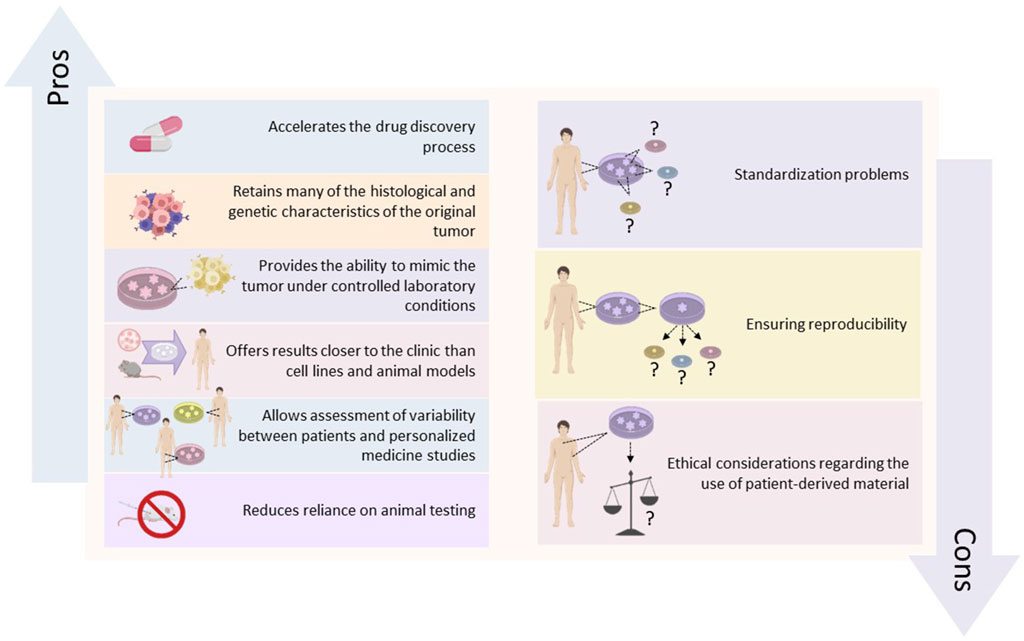
Patient-derived organoids offer an unprecedented opportunity to replicate the complex structure and genetic makeup of cancers, providing a more accurate model for clinical drug screening and pharmacognostic assessment.

The AI Revolution in Dermatology: A Systematic Review

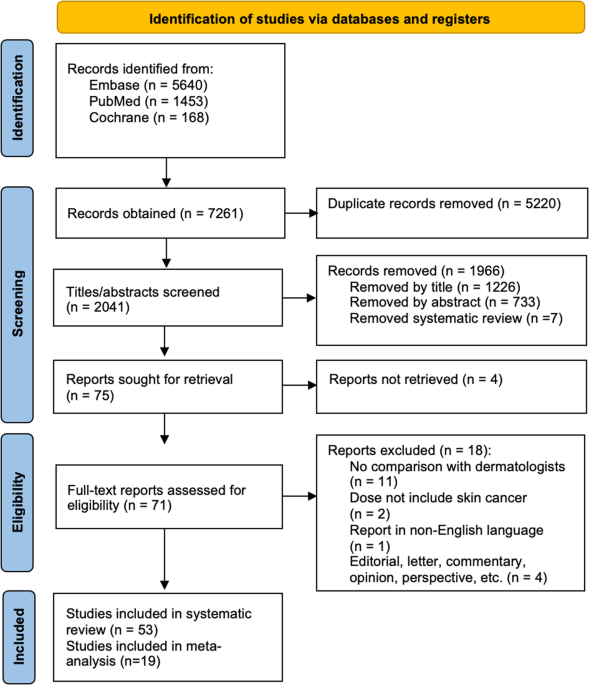
In a groundbreaking study published in Nature, researchers have delved into the burgeoning field of artificial intelligence (AI) in dermatology, specifically examining its role in diagnosing skin cancer. The study, titled "A Systematic Review and Meta-Analysis of Artificial Intelligence Versus Clinicians for Skin Cancer Diagnosis," offers a comprehensive look at how AI stacks up against human clinicians in this critical area of healthcare.

By |November 14, 2024|Categories: AI in Healthcare, Article, Dermatology|Tags: , |0 Comments

The Fast Lane to Fully Autonomous Vehicles: Industry Innovations and Future Prospects

The automotive world is abuzz with announcements from major players like Tesla, Rimac, Renault, and Nissan, each unveiling plans to introduce autonomous vehicles in the near future. Tesla's much-anticipated "CyberCab" is set for an October 2024 debut, while Rimac and Renault are gearing up for releases in 2026.

Futureproofing for Insurers: The Role of AI and Hyper-Personalization

In a rapidly evolving industry, insurance companies are turning to artificial intelligence (AI) and hyper-personalization to stay ahead of the curve.

Revolutionizing Healthcare: The Power and Potential of AI

AI technology offers a multitude of benefits, from enhancing patient outcomes to reducing healthcare costs and improving population health. Its application ranges from preventive screenings to complex diagnostic procedures, marking a new era in medical care.

By |November 13, 2024|Categories: Article, Artificial Intelligence, Healthcare|Tags: , |0 Comments