In the ever-challenging journey of aspiring physicians, medical board exams like the United States Medical Licensing Examination (USMLE) stand as formidable milestones. These exams are more than just tests; they are the culmination of years of dedication and hard work. But what happens when the results aren’t as expected? In an insightful piece for Forbes, Dr. Vijay Naik explores this very question, offering strategies to overcome setbacks not only in exams but in life and business.
Failure in exams can feel devastating, yet setbacks should not define one’s future. The key, as Dr. Naik emphasizes, is resilience—the ability to bounce back stronger. This principle is crucial not only in academic pursuits but also in navigating the dynamic landscapes of business.
Strategies for Overcoming Setbacks
Dr. Naik, the owner of Survivorscourse/survivorsExamPrep, shares valuable insights from his experience working with students facing challenges in their board exam journeys:
Shift Your Mindset from Failure to Growth
Reframing perspective is the first step. Viewing poor exam results as learning opportunities rather than personal failures can transform setbacks into stepping stones for growth.
Build a Structured, Flexible Study Plan
After a setback, it’s tempting to dive back into studying, but a more effective approach involves creating a balanced plan that targets weaknesses while allowing for flexibility.
Use Practice as a Tool, Not a Judgment
Practice exams should be seen as diagnostic tools. They are opportunities to identify areas for improvement rather than judgments of one’s abilities.
Develop Mental Toughness
Mental resilience is as important as academic preparation. Techniques like mindfulness and positive visualization can help manage stress and anxiety.
Seek Support and Leverage Expert Guidance
Setbacks can feel isolating, but reaching out for support from mentors, tutors, or peers can provide valuable insights and emotional encouragement.
Take Care of Your Physical Health
Physical well-being plays a crucial role in resilience. Proper nutrition, exercise, and sleep enhance cognitive function and overall performance.
Dr. Naik’s article in Forbes highlights that setbacks are not the end; they are opportunities for new beginnings. By focusing on holistic approaches that address mental, emotional, and physical well-being, individuals can build resilience. This principle applies equally to business leaders navigating industry challenges. Resilience is about emerging stronger and more prepared for future endeavors.
More Articles
Getting licensed or staying ahead in your career can be a journey—but it doesn’t have to be overwhelming. Grab your favorite coffee or tea, take a moment to relax, and browse through our articles. Whether you’re just starting out or renewing your expertise, we’ve got tips, insights, and advice to keep you moving forward. Here’s to your success—one sip and one step at a time!
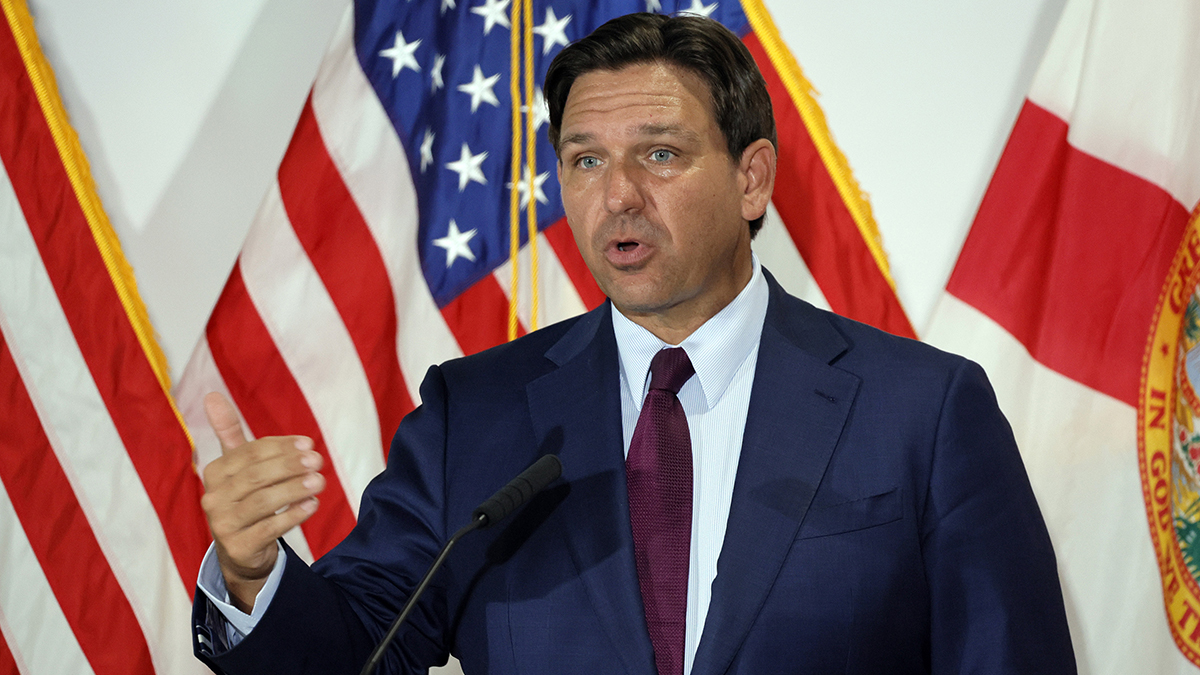
Florida homeowners — especially in hard‑hit South Florida — are set to see rare and substantial reductions in their property insurance premiums. Gov. Ron DeSantis announced an average statewide Citizens Insurance decrease of 8.7%, with even larger savings of up to 14% in counties like Miami-Dade, Broward, and Palm Beach. State officials credit recent legal and regulatory reforms for stabilizing the market, attracting new insurers, and delivering the first meaningful rate relief Floridians have seen in years.
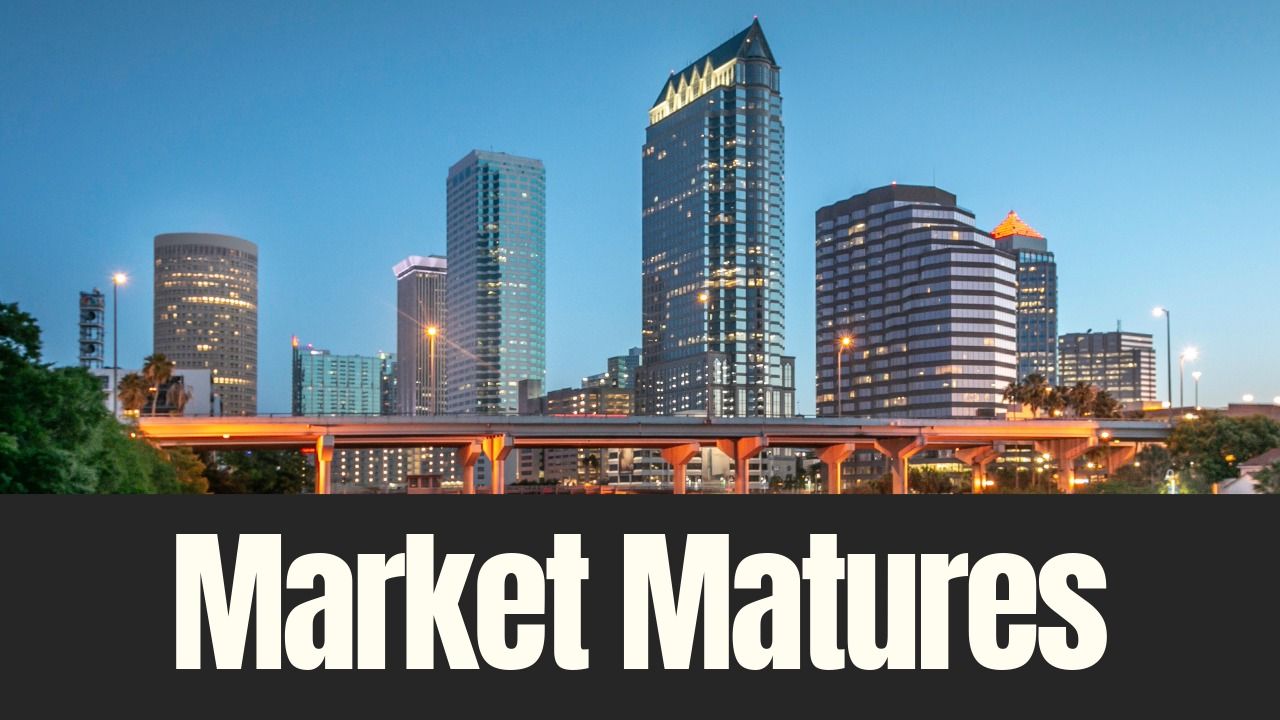
Tampa’s commercial real estate market isn’t slowing—it’s maturing. With strong population growth, rising office demand, a normalized industrial sector, resurgent retail, and an emerging health‑care real estate boom, investors are shifting from speed to strategy. Tighter underwriting, cautious capital and increased due‑diligence are shaping a more disciplined market, creating new opportunities for informed professionals.
Florida homeowners are finally seeing relief as Citizens Property Insurance announces a major 8.7% average rate decrease—far larger than originally proposed. Driven by legislative reforms, fewer lawsuits, and a calm hurricane season, the state’s once‑unstable insurance market is showing real signs of recovery. But with reduced coverage limits and shifting legal protections, experts warn that lower premiums may come with hidden trade‑offs.
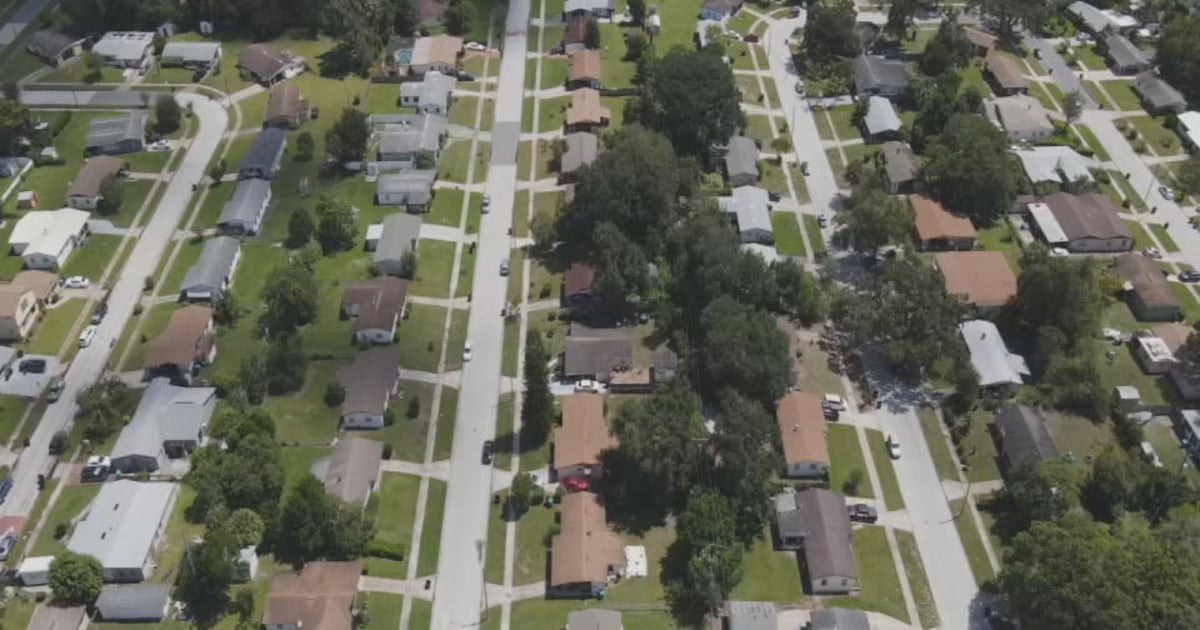
After a decade of rising premiums and retreating carriers, Florida homeowners are finally seeing long‑awaited relief. Dozens of insurers have filed for rate decreases—some as high as 11%—thanks to legislative reforms and a stabilizing market. Early approvals are already hitting counties across the state, and experts say the momentum could boost buyer confidence, affordability, and competition throughout Florida’s real estate and insurance sectors.
After years of slowed activity caused by rising interest rates, the self‑storage industry is heating up again. New data from Marcus & Millichap shows a fresh market cycle emerging, driven by renewed buyer confidence, recalibrated pricing, and stronger lender participation. Acquisitions are rebounding, development is resetting in a healthier direction, and financing conditions are improving—creating one of the most promising investment landscapes the sector has seen in years.
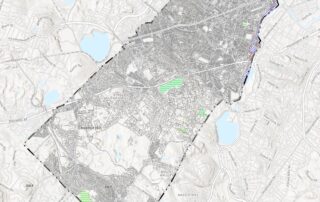
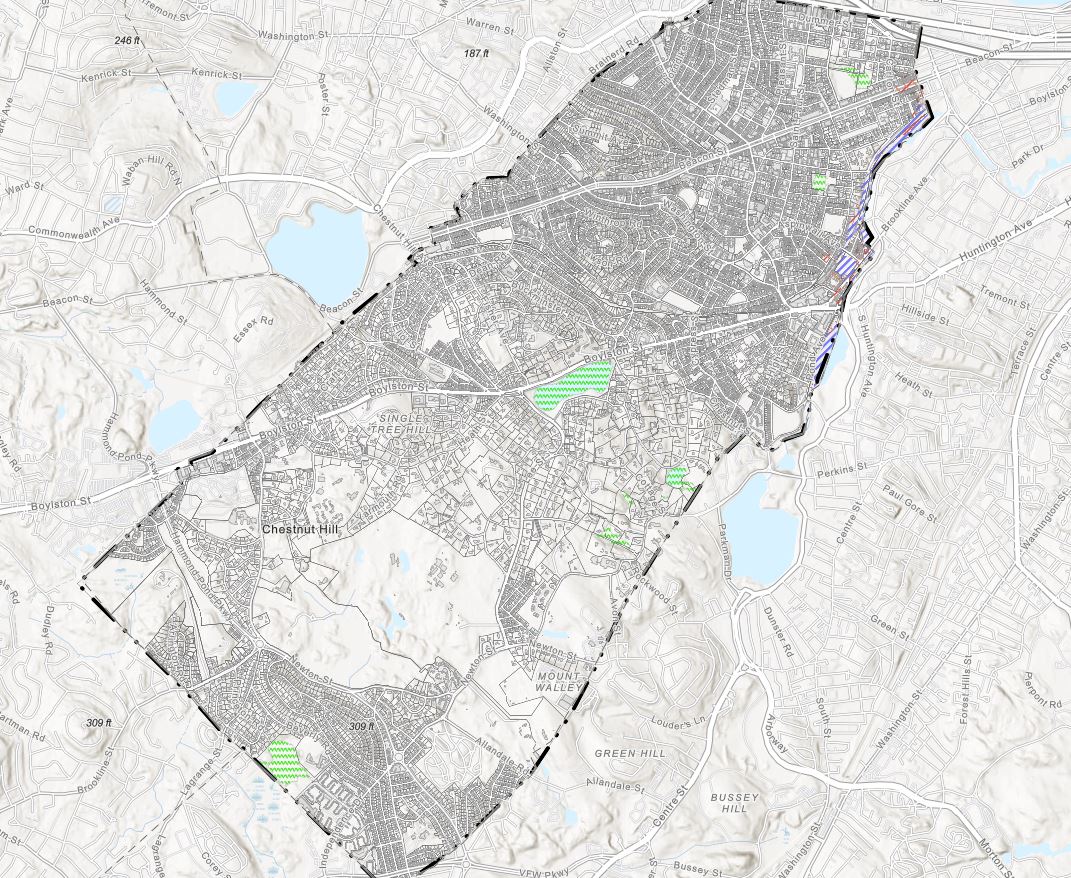
Brookline’s newly updated FEMA flood maps identify 97 high‑risk parcels, but local experts warn the true threat is far greater. While FEMA highlights river‑based flooding around Leverett Pond and the Muddy River, alternative models show more than 1,300 Brookline properties at risk within 30 years. Hidden vulnerabilities along major corridors like Beacon Street, rising rainfall intensity, aging infrastructure, and climate‑driven storm patterns suggest that many “low‑risk” areas may be anything but safe.