Parametric Insurance: A New Frontier in Climate Risk Management

Risk managers are increasingly using parametric insurance to strengthen traditional programs and to better match capital to risk from natural disasters.
In the face of escalating climate challenges, risk managers are increasingly turning to parametric insurance as a vital tool to supplement traditional property programs. This innovative approach, grounded in an “if-then” model, offers a strategic advantage by aligning capital more effectively with the unpredictable nature of natural disasters.

Climate Change and Insurance Challenges

The impact of climate change is undeniable, with a marked increase in both the frequency and severity of natural catastrophes. According to Aon’s insights, the traditional insurance market is struggling to keep pace, leaving significant economic exposures unaddressed. This is where parametric insurance steps in, offering a tailored solution that extends beyond mere physical damage to cover broader economic impacts.

The Mechanics of Parametric Insurance

Parametric insurance operates on three core principles:
  1. The “if”: Coverage is triggered by specific, independent events, as verified by neutral third-party data, which streamlines the underwriting process.
  2. The “then”: Once triggered, pre-agreed payouts are swiftly executed, often within ten days, providing critical liquidity during crises.
  3. Closing the Protection Gap: This model makes previously uninsurable risks insurable, bridging the gap with contingent capital.

Expanding Applications

Parametric solutions are particularly effective for “grey swan” events—unpredictable but impactful occurrences like hurricanes, earthquakes, and severe weather. As these events become more common, businesses are integrating parametric insurance into their risk management portfolios, freeing up capital and enhancing resilience.

Moreover, the flexibility of parametric insurance allows it to address other exogenous risks, such as pandemics and cloud service outages, by leveraging independent data to define clear triggers.

Conclusion

As the climate continues to present complex challenges, parametric insurance emerges as a transformative force in risk management. By offering rapid, reliable financial responses to disasters, it provides a crucial buffer for businesses navigating an increasingly volatile world.


More Articles

Getting licensed or staying ahead in your career can be a journey—but it doesn’t have to be overwhelming. Grab your favorite coffee or tea, take a moment to relax, and browse through our articles. Whether you’re just starting out or renewing your expertise, we’ve got tips, insights, and advice to keep you moving forward. Here’s to your success—one sip and one step at a time!

The Transformation of Insurance Through Customer-Centric Ecosystems

In the fast-evolving world of insurance, a transformative shift is underway, driven by the development of customer-centric ecosystems. As highlighted in a comprehensive study by EY, insurance ecosystems are reshaping the industry by focusing on customer engagement, trust, and operational excellence.

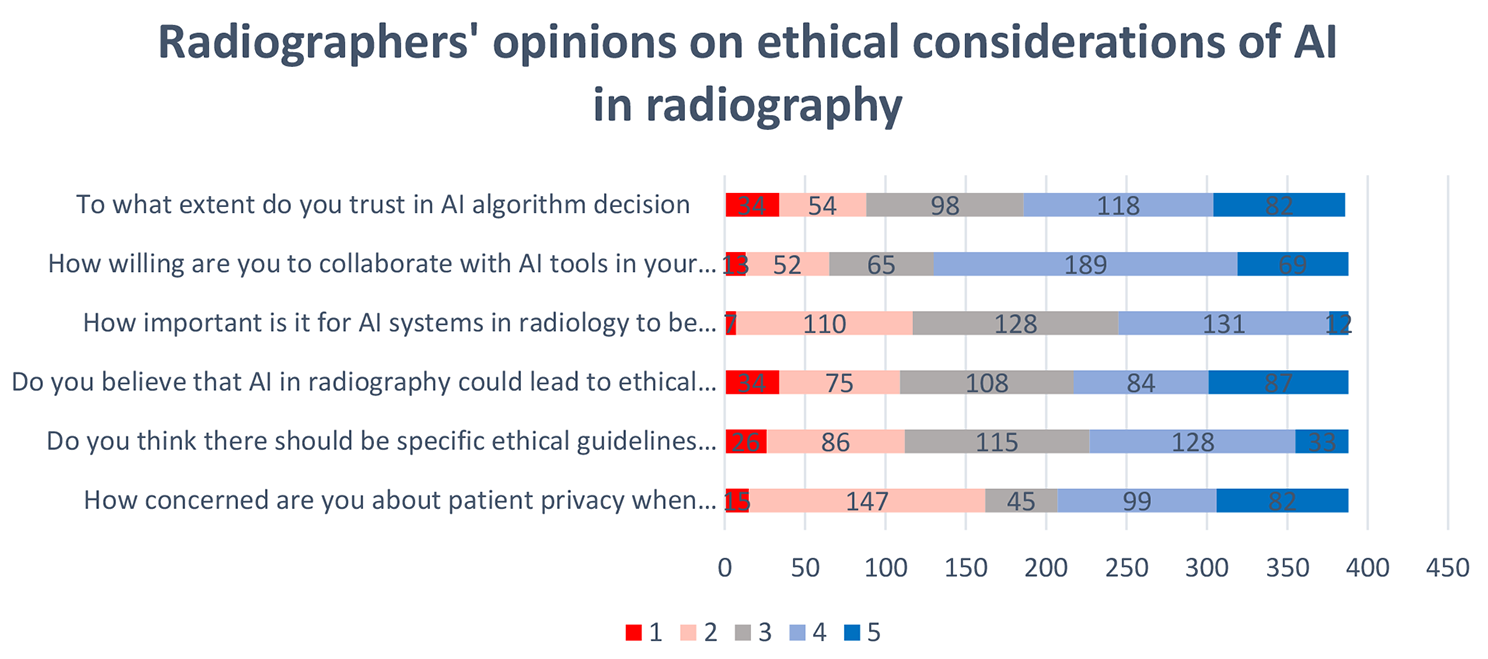
Ethical Challenges of AI in Radiography: Insights from Radiographers

The integration of artificial intelligence in radiography brings a host of ethical challenges that demand careful consideration. A recent study highlights the diverse perspectives of radiographers, revealing significant knowledge gaps and varying trust levels in AI-driven decisions. Concerns over patient privacy and the need for dedicated ethical guidelines are pivotal as healthcare embraces AI.

AI in Healthcare: A Transformative Force Today and Tomorrow

AI tools are already delivering significant value and are poised to further transform healthcare. Embracing these changes today will position organizations and individuals to capture the long-term benefits of a more effective, efficient, and personalized healthcare system.

2024 Housing Market Crystal Ball: Transformative Trends for the Next Decade

The housing landscape of 2034 will be more diverse, technologically advanced, and responsive to the needs of an evolving population.

The Future of AI in Pathology: A Market on the Rise

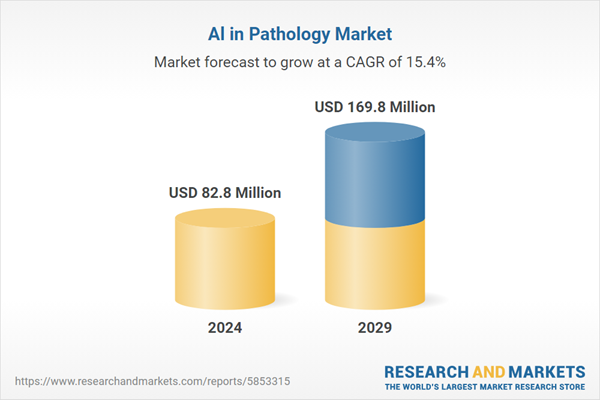
AI in pathology is revolutionizing the field by enhancing the analysis of clinical data, genomic information, and disease progression. These advancements are not only streamlining personalized treatment plans but also optimizing healthcare resource allocation.

By |January 12, 2025|Categories: Article, Healthcare, Technology|Tags: , |0 Comments

Revolutionizing Precision Medicine: AI’s Role in Diabetes and Chronic Disease Management

In an era where data reigns supreme, the integration of artificial intelligence (AI) and machine learning (ML) into the realm of precision medicine is not just a possibility but a burgeoning reality.