“`html
In the ever-evolving landscape of professional licensing, Pennsylvania has taken a significant step forward with the publication of the “Licensure Processing Guides and Timelines” by the Commonwealth of Pennsylvania. This guide is a beacon of transparency, aimed at providing clarity and reducing the usual hurdles associated with obtaining a professional license in the state.

The guide, available on the official Pennsylvania government website, offers a detailed breakdown of the licensing process. It is designed to inform applicants about expected timeframes, minimize errors, and mitigate delays. The ultimate goal is to ensure that professionals meet the necessary standards to protect public health and safety.

Phases of Licensing
The licensing process is divided into three distinct phases:
  1. Phase One: This phase measures the time from the submission of an application or graduation from an educational program to the initial determination of the application status by Department staff.
  2. Phase Two: This phase involves the time taken for an applicant or third-party entity to fulfill all application requirements, including exams, document submissions, and background checks.
  3. Phase Three: The final phase measures the time from the Department’s receipt of a complete application to the issuance or denial of a license.

Speeding Up the Process
For those eager to expedite their licensing journey, the guide provides valuable tips. Applicants are encouraged to maintain accurate documentation and respond promptly to any departmental inquiries. Specific strategies tailored to different professions can be found through links to individual guides, such as the Barbers Licensure Guide and the Cosmetology Licensure Guide.

Additional Resources
For those looking to begin their application or renew a license, the Pennsylvania Licensing System is the starting point. The guide also emphasizes the importance of checking your email or logging into the PALS site regularly for real-time updates, as the licensing board might request additional information.

The publication of this guide marks a pivotal moment for Pennsylvania’s professional community, offering a streamlined and transparent approach to licensure. By referencing the original article, the Commonwealth of Pennsylvania demonstrates its commitment to enhancing the efficiency and clarity of the licensing process, ensuring that qualified professionals can serve the public effectively and safely.
“`

More Articles

Getting licensed or staying ahead in your career can be a journey—but it doesn’t have to be overwhelming. Grab your favorite coffee or tea, take a moment to relax, and browse through our articles. Whether you’re just starting out or renewing your expertise, we’ve got tips, insights, and advice to keep you moving forward. Here’s to your success—one sip and one step at a time!

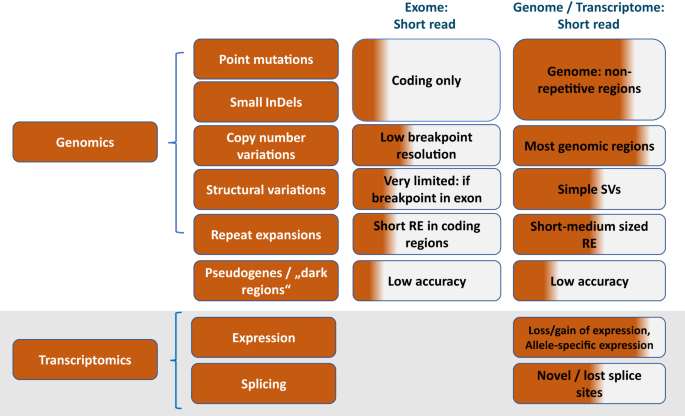
Revolutionizing Clinical Care: The Age of Genome Sequencing

Genome sequencing is taking center stage, reshaping how we approach the diagnosis and treatment of genetic conditions.

By |January 9, 2025|Categories: Article, Genomics, Healthcare|Tags: , |0 Comments

The Future of Health-Tech in 2025

The global market is projected to surpass $200 billion, expanding at a compound annual growth rate (CAGR) of 25%. Predictive and personalized healthcare will see significant advancements in 2025.

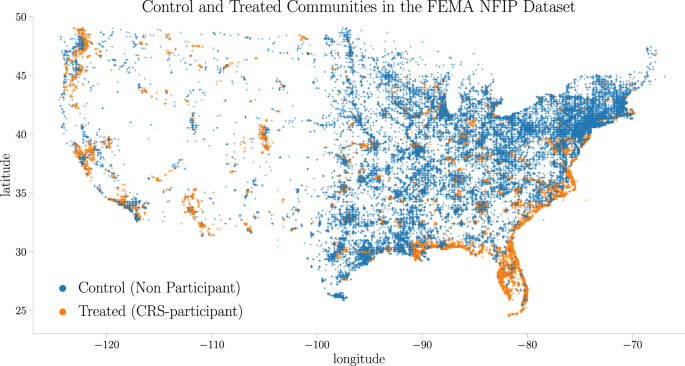
Unveiling Flood Adaptation Disparities in the USA

In a groundbreaking analysis published in Nature, researchers have shone a light on the stark disparities in flood adaptation across the United States, exposing significant differences in how communities access and benefit from flood adaptation measures.

Ethereum’s Serenity Upgrade Sparks Excitement and Market Optimism

Ethereum has shifted to a fully proof-of-stake consensus mechanism, drastically cutting down on the energy typically required for network maintenance.

By |January 8, 2025|Categories: Article, Cryptocurrency, Technology|Tags: , |0 Comments

AI Outperforms Human Experts in Ovarian Cancer Detection

In a groundbreaking study led by researchers at the Karolinska Institutet in Sweden, artificial intelligence (AI) has demonstrated a remarkable ability to detect ovarian cancer, surpassing the accuracy of human doctors.


By |January 8, 2025|Categories: Article, Health, Technology|Tags: , |0 Comments