In a groundbreaking effort to revolutionize the treatment of heart rhythm disorders, the University of Miami Miller School of Medicine is leading the charge in personalizing patient care. The cardiac electrophysiology group at the institution is pioneering innovative research and treatment strategies for patients with abnormal heart rhythms, particularly atrial fibrillation.
Under the leadership of Dr. Jeffrey Goldberger, the team is making significant strides in understanding atrial fibrillation through advanced methods like catheter ablation. Despite the procedure’s stagnant success rate of 60%, Dr. Goldberger advocates for a more personalized approach to treatment, tailoring strategies based on genetics, age, body composition, and other factors.
Innovative Research and Personalized Care
Dr. Goldberger’s research emphasizes the importance of moving beyond a one-size-fits-all approach. His team utilizes cutting-edge technologies, including artificial intelligence and genetic testing, alongside lifestyle interventions. This holistic approach aims to enhance patient outcomes and pave the way for future breakthroughs in cardiac care.
Dr. Raul Mitrani, a key collaborator, highlights the team’s dedication to personalizing medicine for a broad range of patients. The group operates one of Florida’s only comprehensive risk factor management centers for atrial fibrillation. They offer customized treatment plans, addressing factors such as weight, blood pressure, and sleep apnea, in conjunction with medical interventions.
Research Beyond Borders
The group’s commitment to advancing cardiac care is evident in its participation in several federally funded research projects. Among these is the Liraglutide Effect on Atrial Fibrillation (LEAF) study, which explores the impact of weight-loss drugs on treatment outcomes. The findings suggest a potential doubling of success rates for catheter ablation when combined with adjunctive strategies.
Other notable projects include the OMICS study, which investigates the role of epicardial adipose tissue in atrial fibrillation risk, and the development of 4D Flow MRI technology to better assess stroke risk.
Future Directions
Dr. Goldberger acknowledges the progress made but emphasizes the need for continued innovation. “There have been many real improvements in our approach to atrial fibrillation, but we still have a long, long way to go to get to optimal treatment,” he stated in the original article. The team’s focus remains on identifying gaps and areas for impactful advancements in cardiac care.
More Articles
Getting licensed or staying ahead in your career can be a journey—but it doesn’t have to be overwhelming. Grab your favorite coffee or tea, take a moment to relax, and browse through our articles. Whether you’re just starting out or renewing your expertise, we’ve got tips, insights, and advice to keep you moving forward. Here’s to your success—one sip and one step at a time!
"AI and machine learning are emerging as powerful technologies to address this issue, improving the accuracy of medical diagnosis and revolutionizing healthcare with their myriad applications."
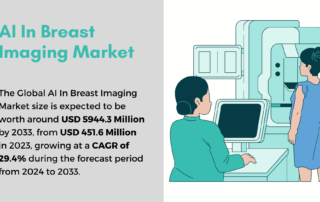
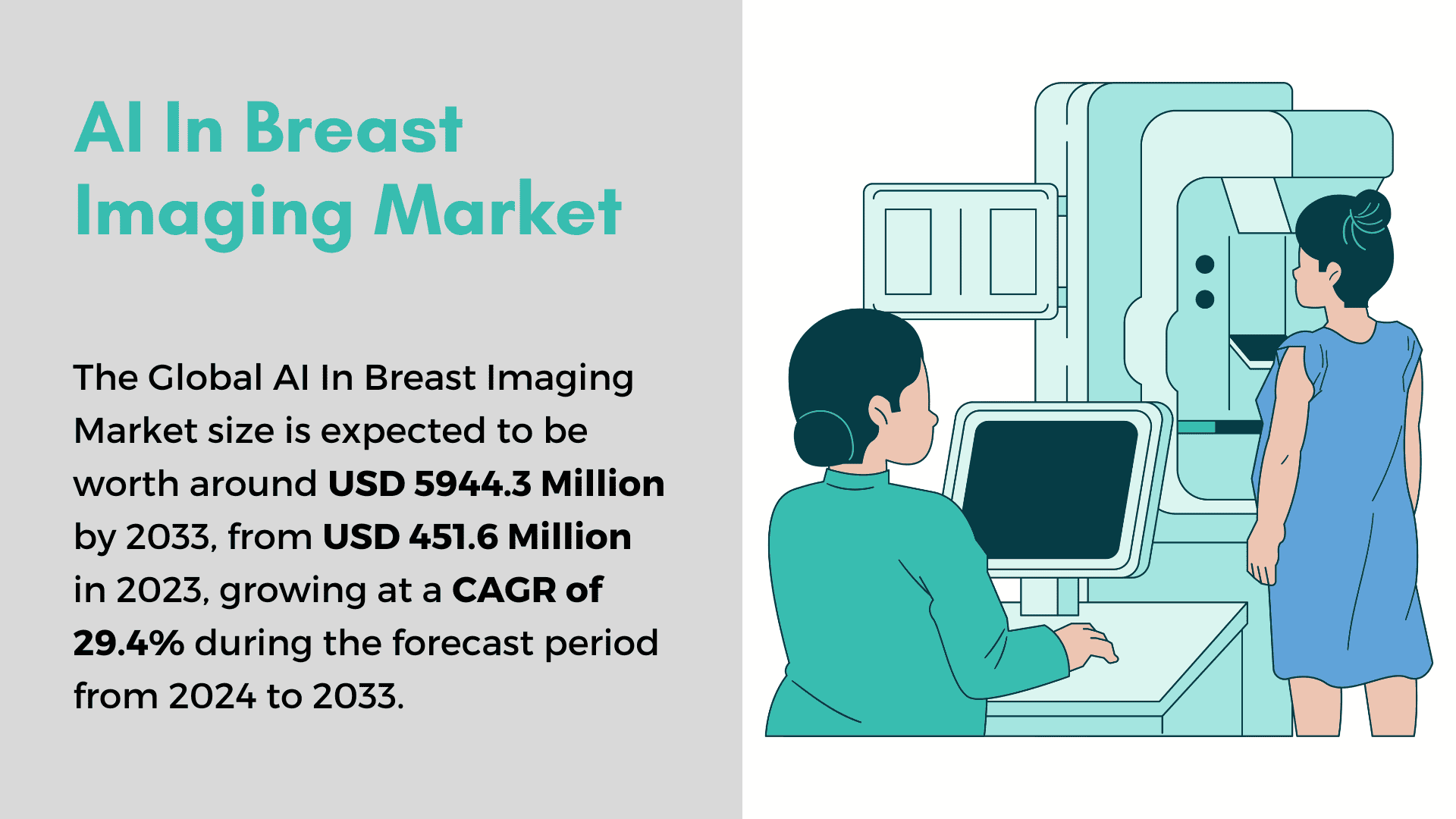
The global AI in breast imaging market is on a remarkable growth trajectory, projected to swell from USD 451.6 million in 2023 to an impressive USD 5944.3 million by 2033. This represents a compound annual growth rate (CAGR) of 29.4%, primarily driven by cutting-edge advancements in AI technologies that significantly enhance diagnostic accuracy, facilitate early detection, and boost healthcare efficiency.
Virtual real estate in metaverses is becoming a focal point for investors worldwide, with digital plots of land mirroring traditional real estate value based on location, size, and platform popularity.
Artificial intelligence (AI) and machine learning are at the forefront of revolutionizing in-vitro diagnostic (IVD) tools, redefining diagnostics and enhancing healthcare outcomes on multiple fronts.
As we edge closer to 2030, the life sciences industry stands on the threshold of transformative changes. With a global valuation exceeding $2 trillion, the sector is poised for significant growth, driven by technological advancements and an aging population.
The advent of telehealth has revolutionized the way patients, particularly those in rural areas, access health care. By offering remote consultations and follow-up care, telehealth provides a convenient alternative to traveling long distances to urban hospitals. However, this technological advancement brings with it a set of challenges that could reshape the rural health care landscape.