In a groundbreaking effort to revolutionize the treatment of heart rhythm disorders, the University of Miami Miller School of Medicine is leading the charge in personalizing patient care. The cardiac electrophysiology group at the institution is pioneering innovative research and treatment strategies for patients with abnormal heart rhythms, particularly atrial fibrillation.

Dr. Jeffrey goldberger with a patient

Under the leadership of Dr. Jeffrey Goldberger, the team is making significant strides in understanding atrial fibrillation through advanced methods like catheter ablation. Despite the procedure’s stagnant success rate of 60%, Dr. Goldberger advocates for a more personalized approach to treatment, tailoring strategies based on genetics, age, body composition, and other factors.

Innovative Research and Personalized Care

Dr. Goldberger’s research emphasizes the importance of moving beyond a one-size-fits-all approach. His team utilizes cutting-edge technologies, including artificial intelligence and genetic testing, alongside lifestyle interventions. This holistic approach aims to enhance patient outcomes and pave the way for future breakthroughs in cardiac care.

Dr. Raul Mitrani, a key collaborator, highlights the team’s dedication to personalizing medicine for a broad range of patients. The group operates one of Florida’s only comprehensive risk factor management centers for atrial fibrillation. They offer customized treatment plans, addressing factors such as weight, blood pressure, and sleep apnea, in conjunction with medical interventions.

Heart mapping for atrial fibrillation

Research Beyond Borders

The group’s commitment to advancing cardiac care is evident in its participation in several federally funded research projects. Among these is the Liraglutide Effect on Atrial Fibrillation (LEAF) study, which explores the impact of weight-loss drugs on treatment outcomes. The findings suggest a potential doubling of success rates for catheter ablation when combined with adjunctive strategies.

Other notable projects include the OMICS study, which investigates the role of epicardial adipose tissue in atrial fibrillation risk, and the development of 4D Flow MRI technology to better assess stroke risk.

Future Directions

Dr. Goldberger acknowledges the progress made but emphasizes the need for continued innovation. “There have been many real improvements in our approach to atrial fibrillation, but we still have a long, long way to go to get to optimal treatment,” he stated in the original article. The team’s focus remains on identifying gaps and areas for impactful advancements in cardiac care.

More Articles

Getting licensed or staying ahead in your career can be a journey—but it doesn’t have to be overwhelming. Grab your favorite coffee or tea, take a moment to relax, and browse through our articles. Whether you’re just starting out or renewing your expertise, we’ve got tips, insights, and advice to keep you moving forward. Here’s to your success—one sip and one step at a time!

Artificial Intelligence in Diagnostics: A Revolution in Healthcare

The global market for artificial intelligence in diagnostics is poised for remarkable growth, with projections estimating it to reach USD 7.3 billion by 2032.

By |December 10, 2024|Categories: Article, Artificial Intelligence, Healthcare|Tags: , |0 Comments

Revolutionizing Medical Education with Extended Reality

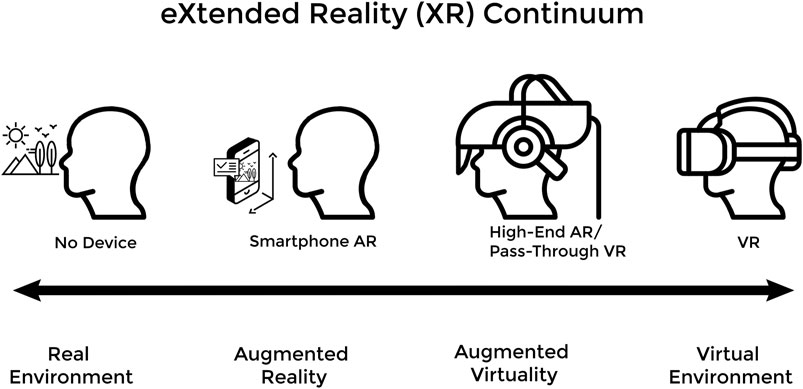
In the ever-evolving landscape of medical education, a new player has emerged, promising to revolutionize the way future doctors are trained. The integration of eXtended Reality (XR) technologies is reshaping the educational landscape by addressing the limitations of traditional methods.

Genetic Testing: A New Dawn in Healthcare

Genetic testing represents more than just a scientific advancement; it signifies a fundamental shift in how we approach health and wellness.

Sustainable Architecture: Blending Innovation with Ecological Responsibility

The journey toward sustainable architecture is ongoing, with each project serving as a beacon of what's achievable when creativity meets ecological awareness.

By |December 9, 2024|Categories: Architecture, Article, Sustainability|Tags: |0 Comments

AI in Clinical and Molecular Diagnostics: A Market on the Rise

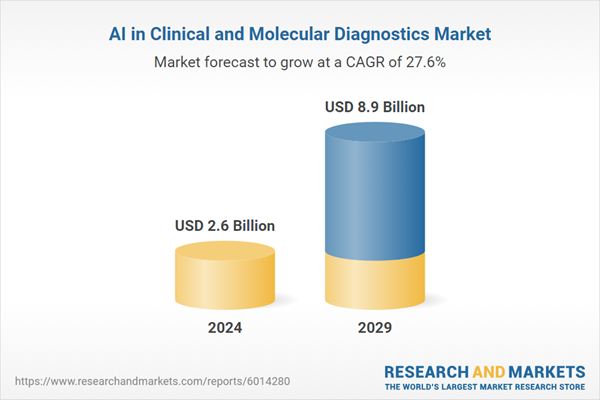
AI in Clinical and Molecular Diagnostics Market is set to experience remarkable growth, projected to surge from USD 2.6 billion in 2024 to USD 8.9 billion by 2029. This growth is driven by the integration of advanced AI technologies such as machine learning and deep learning into traditional diagnostic methodologies like imaging, genomics, and laboratory testing.

AI: A Revolution in Healthcare’s Future

AI is not a distant dream but a present reality, already integrated into everyday life through virtual assistants like Alexa and Siri. AI shows promise in enhancing medical accuracy, such as in predicting mesothelioma survival and improving colonoscopy accuracy, it is not intended to replace healthcare professionals.