In a groundbreaking effort to revolutionize the treatment of heart rhythm disorders, the University of Miami Miller School of Medicine is leading the charge in personalizing patient care. The cardiac electrophysiology group at the institution is pioneering innovative research and treatment strategies for patients with abnormal heart rhythms, particularly atrial fibrillation.
Under the leadership of Dr. Jeffrey Goldberger, the team is making significant strides in understanding atrial fibrillation through advanced methods like catheter ablation. Despite the procedure’s stagnant success rate of 60%, Dr. Goldberger advocates for a more personalized approach to treatment, tailoring strategies based on genetics, age, body composition, and other factors.
Innovative Research and Personalized Care
Dr. Goldberger’s research emphasizes the importance of moving beyond a one-size-fits-all approach. His team utilizes cutting-edge technologies, including artificial intelligence and genetic testing, alongside lifestyle interventions. This holistic approach aims to enhance patient outcomes and pave the way for future breakthroughs in cardiac care.
Dr. Raul Mitrani, a key collaborator, highlights the team’s dedication to personalizing medicine for a broad range of patients. The group operates one of Florida’s only comprehensive risk factor management centers for atrial fibrillation. They offer customized treatment plans, addressing factors such as weight, blood pressure, and sleep apnea, in conjunction with medical interventions.
Research Beyond Borders
The group’s commitment to advancing cardiac care is evident in its participation in several federally funded research projects. Among these is the Liraglutide Effect on Atrial Fibrillation (LEAF) study, which explores the impact of weight-loss drugs on treatment outcomes. The findings suggest a potential doubling of success rates for catheter ablation when combined with adjunctive strategies.
Other notable projects include the OMICS study, which investigates the role of epicardial adipose tissue in atrial fibrillation risk, and the development of 4D Flow MRI technology to better assess stroke risk.
Future Directions
Dr. Goldberger acknowledges the progress made but emphasizes the need for continued innovation. “There have been many real improvements in our approach to atrial fibrillation, but we still have a long, long way to go to get to optimal treatment,” he stated in the original article. The team’s focus remains on identifying gaps and areas for impactful advancements in cardiac care.
More Articles
Getting licensed or staying ahead in your career can be a journey—but it doesn’t have to be overwhelming. Grab your favorite coffee or tea, take a moment to relax, and browse through our articles. Whether you’re just starting out or renewing your expertise, we’ve got tips, insights, and advice to keep you moving forward. Here’s to your success—one sip and one step at a time!
A federal judge has denied class‑certification in the high‑stakes Batton commission lawsuit, delivering a temporary win for NAR and major brokerages while leaving the door open for plaintiffs to try again. With as much as $3.6 billion in potential damages on the line and nearly 80% of the proposed class now disqualified due to conflicts with earlier settlements, the case stands at a pivotal moment. Real estate professionals nationwide — especially in Florida — should watch closely, as the ruling could shape the future of buyer‑agent compensation.
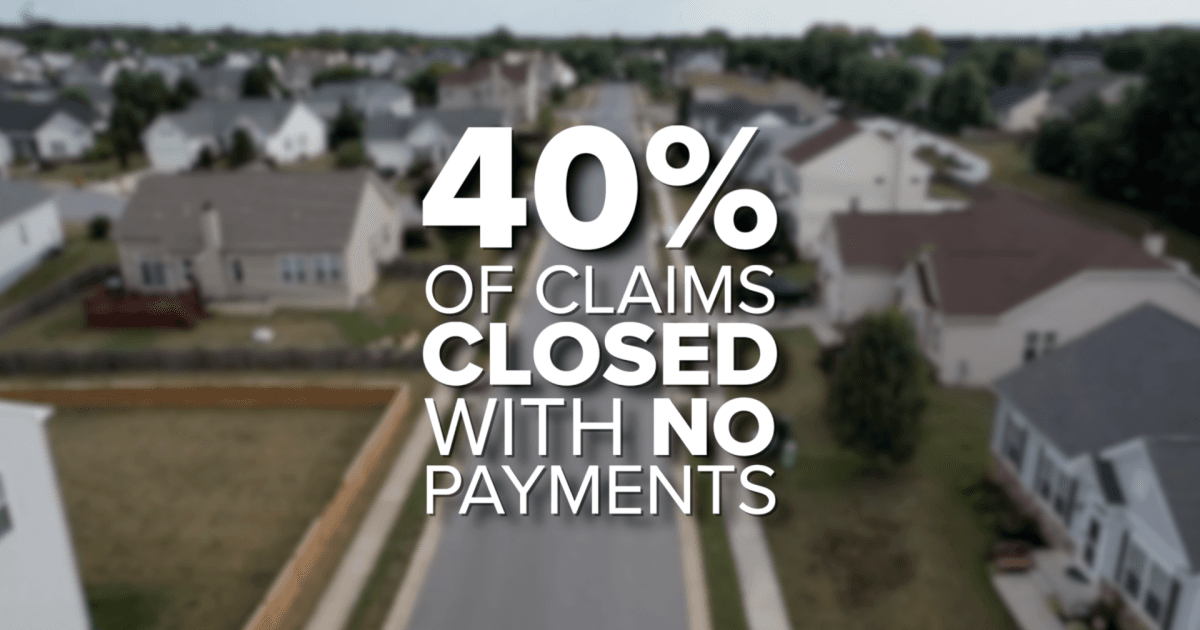
Florida homeowners are paying nearly double the national average for insurance, with premiums now reaching $5,838 a year and denied claims topping 40 percent. Residents report tripled rates, underpaid claims, and mounting financial strain, pushing lawmakers in Tallahassee to propose caps on rate hikes, tax breaks for storm‑proof upgrades, and tighter oversight of insurers. These developments are reshaping real estate and insurance conversations across the state as professionals brace for major industry shifts.
Berkshire County closed Q3 2025 with strong momentum as sales, dollar volume, and buyer competition all climbed year‑over‑year. Inventory showed slight improvement but remains far below demand, keeping the market tilted toward sellers. Single‑family homes and condos led the surge, while multifamily, land, and commercial sectors showed mixed performance. The region continues to stand out as one of New England’s most resilient real estate markets heading into 2026.
Florida homeowners now face the highest insurance burdens in the nation, with average premiums topping $5,800 per year—roughly $3,000 above the national average. As rates triple for some residents, more Floridians are skipping coverage altogether, while denied claims and slow payouts add to the frustration. With over 40 percent of claims closing with no payment and lawmakers battling over reform in Tallahassee, the crisis is reshaping budgets, homebuying decisions, and the real estate industry statewide.
Global capital is surging back into real estate—and this time, investors want more control. Colliers’ 2026 Global Investor Outlook reveals a major shift toward direct investments, joint ventures, and hands‑on strategies as money moves across North America, Europe, and the booming Asia‑Pacific markets. Data centers are now the top‑funded asset class, offices are staging a comeback, and adaptive reuse is reshaping cities worldwide. For real estate and finance professionals, the message is clear: opportunity is accelerating, and those with the right education and licensing will be at the center of the action.
The Fed’s recent rate cuts should have offered relief to commercial real estate—but long-term borrowing costs haven’t budged. While short‑term rates are falling, stubborn long‑term yields, broken deal math, and a trillion‑dollar refinancing wave are keeping the market frozen. For investors and professionals across Florida and the nation, understanding this disconnect is key to navigating the opportunities and risks emerging in today’s shifting CRE landscape.