In a world increasingly driven by technology, the Pew Research Center’s recent report sheds light on what life might look like in 2025. The study, conducted between June 30 and July 27, 2020, involved a diverse group of 915 experts, including innovators, developers, business and policy leaders, researchers, and activists. The goal was to explore how the COVID-19 pandemic has accelerated technological transformation and what this means for society’s future. Core Issues Identified:
  • Economic Inequality: As technology becomes more integral, those with digital access and skills may advance, while others fall behind.
  • Privacy and Autonomy: The expansion of major tech companies and AI may significantly erode personal privacy.
  • Misinformation: The spread of misinformation could amplify societal divisions and undermine rational policymaking.
  • Digital Divide: Widening gaps in tech access could deepen existing inequalities.
While the report highlights these challenges, it also presents a glimmer of hope. Some experts believe that the intensified reliance on technology might result in improvements, creating a “tele-everything” world that could benefit sectors such as remote work and education. Potential Positives:
  • Social Reforms: The momentum toward racial justice and economic equity could spark meaningful change.
  • Improved Quality of Life: Permanent shifts towards flexible workplaces and enhanced community integration might improve daily life.
  • Technological Benefits: Advances in AI, virtual, and augmented reality could make living more efficient and safe.
The report from the Pew Research Center emphasizes a crucial moment where the trajectory of technology’s role in society can either build a more equitable future or deepen current divides. Almost half of the respondents were pessimistic about the tech-driven future, voicing concerns about exacerbated inequality and social unrest. However, 39% anticipated improvements, citing telecommuting and tech innovation as potential positives. As we edge closer to this tech-driven future, the insights from the Pew Research Center’s study serve as a valuable guide. They underscore the need for proactive measures to ensure that the integration of technology into everyday life benefits all sectors of society.


More Articles

Getting licensed or staying ahead in your career can be a journey—but it doesn’t have to be overwhelming. Grab your favorite coffee or tea, take a moment to relax, and browse through our articles. Whether you’re just starting out or renewing your expertise, we’ve got tips, insights, and advice to keep you moving forward. Here’s to your success—one sip and one step at a time!

Revolutionizing Real Estate with IoT: A New Era of Smart Homes

The real estate industry is on the brink of a transformation, driven by the integration of the Internet of Things (IoT). This technological advancement is reshaping how buildings operate and enhancing tenant experiences across the globe.

New Orleans as a Beacon of Resilience: The Sixth Triennial

"This framework postulates New Orleans as already living in the future," said Patterson during the exhibition's opening. Lash added, "We want to show New Orleans as a gift and as a scout." The exhibition, featuring 51 artists across 21 venues, highlights how contemporary art can serve as an engine of coping, rather than mere recovery.

By |March 6, 2025|Categories: Art, Article, Culture|Tags: , |0 Comments

Navigating Trump’s Tax Proposals: Key Changes Ahead

As the dust settles on the recent Republican victory in the U.S. presidential election, the tax landscape is poised for significant changes with President-elect Donald Trump set to return to the White House.

By |March 6, 2025|Categories: Article, Tax Policy, U.S. Politics|Tags: , |0 Comments

Multifamily Housing Sector: Modest Growth and Market Predictions for 2025

As we step into 2025, the multifamily housing sector is projected to experience modest growth. Yardi Matrix anticipates a 1.5% increase in rents, driven by positive economic conditions and stable industry fundamentals, particularly in the Northeast and Midwest regions. However, the rent growth forecasts vary across different markets.

Renter Preferences for 2024: Insights from Industry Surveys

Recent surveys have shed light on the preferences and priorities of renters in 2024, emphasizing the dominance of digital marketing and the importance of community inclusiveness.

AI Revolutionizes the Real Estate Market

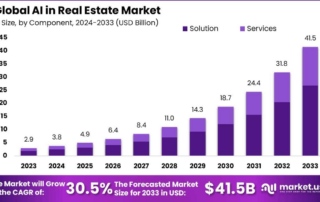
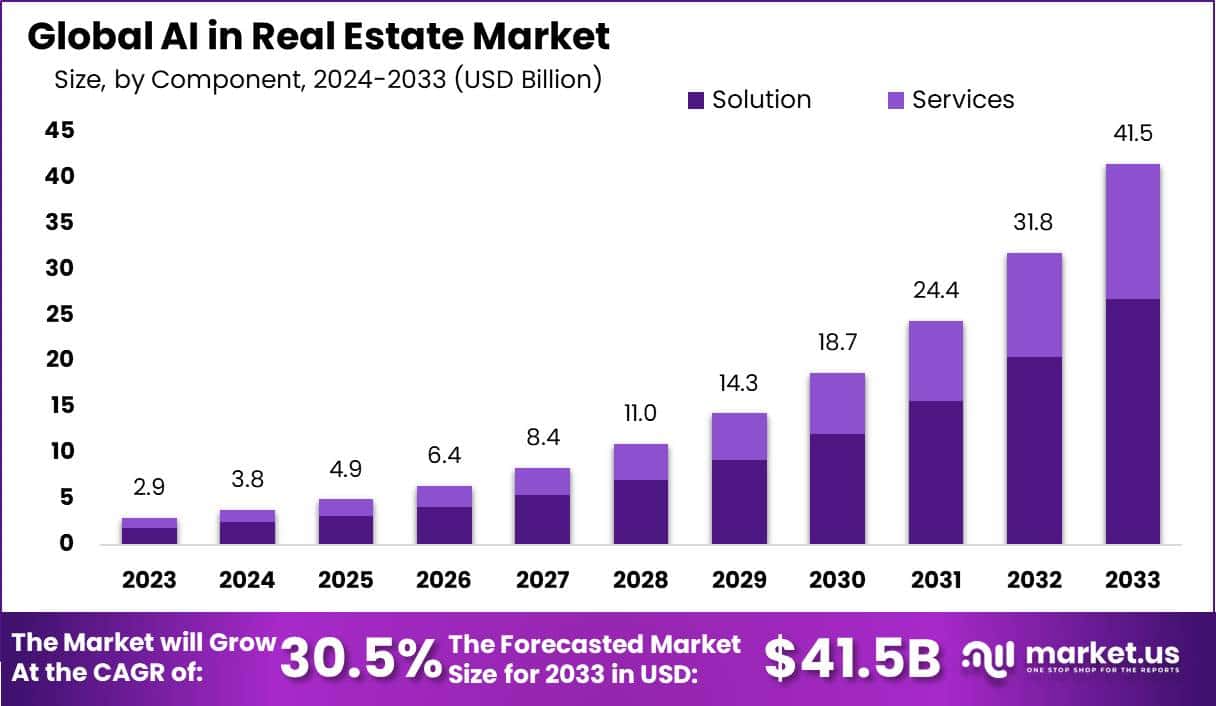
The real estate industry is on the brink of a technological transformation, with Artificial Intelligence (AI) playing a pivotal role. According to a recent report by Market.us, the AI in real estate market is projected to surge from USD 2.9 Billion in 2023 to a staggering USD 41.5 Billion by 2033, growing at an impressive CAGR of 30.5%.