In a world increasingly driven by technology, the Pew Research Center’s recent report sheds light on what life might look like in 2025. The study, conducted between June 30 and July 27, 2020, involved a diverse group of 915 experts, including innovators, developers, business and policy leaders, researchers, and activists. The goal was to explore how the COVID-19 pandemic has accelerated technological transformation and what this means for society’s future. Core Issues Identified:
  • Economic Inequality: As technology becomes more integral, those with digital access and skills may advance, while others fall behind.
  • Privacy and Autonomy: The expansion of major tech companies and AI may significantly erode personal privacy.
  • Misinformation: The spread of misinformation could amplify societal divisions and undermine rational policymaking.
  • Digital Divide: Widening gaps in tech access could deepen existing inequalities.
While the report highlights these challenges, it also presents a glimmer of hope. Some experts believe that the intensified reliance on technology might result in improvements, creating a “tele-everything” world that could benefit sectors such as remote work and education. Potential Positives:
  • Social Reforms: The momentum toward racial justice and economic equity could spark meaningful change.
  • Improved Quality of Life: Permanent shifts towards flexible workplaces and enhanced community integration might improve daily life.
  • Technological Benefits: Advances in AI, virtual, and augmented reality could make living more efficient and safe.
The report from the Pew Research Center emphasizes a crucial moment where the trajectory of technology’s role in society can either build a more equitable future or deepen current divides. Almost half of the respondents were pessimistic about the tech-driven future, voicing concerns about exacerbated inequality and social unrest. However, 39% anticipated improvements, citing telecommuting and tech innovation as potential positives. As we edge closer to this tech-driven future, the insights from the Pew Research Center’s study serve as a valuable guide. They underscore the need for proactive measures to ensure that the integration of technology into everyday life benefits all sectors of society.

More Articles

Getting licensed or staying ahead in your career can be a journey—but it doesn’t have to be overwhelming. Grab your favorite coffee or tea, take a moment to relax, and browse through our articles. Whether you’re just starting out or renewing your expertise, we’ve got tips, insights, and advice to keep you moving forward. Here’s to your success—one sip and one step at a time!

Unlocking Real Estate Wealth in 2025: Strategies for Success

Step into 2025, where the real estate market emerges as a resilient beacon amidst economic unpredictability. Investors are increasingly drawn to secondary cities like Austin and Manchester, attracted by their growth potential, affordability, and enhanced quality of life.

By |February 18, 2025|Categories: Article, Investment Strategies, Real Estate|Tags: , |0 Comments

AI and Urbanization Drive Home Services Market Growth

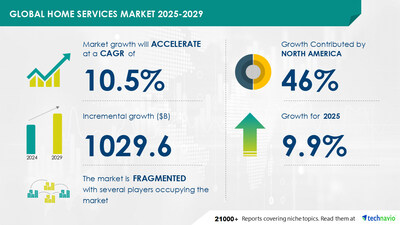
The global home services market is poised for significant growth, with projections indicating an increase of USD 1.03 trillion from 2025 to 2029. This forecasted expansion is attributed to increasing urbanization and the transformative impact of AI on market trends, according to a recent report by Technavio.

Decoding the U.S. Housing Crisis: A Study of Historic Policy Missteps and Demographic Shift

In a revealing study by USC, the roots of the current housing crisis in the United States are traced back to policy missteps and demographic changes that have been unfolding since the early 2000s. The study highlights how these factors have left millennials and people of color disproportionately affected.

Best Real Estate Crowdfunding Platforms for February 2025: Investopedia’s Top Picks

Fundrise stands out for offering investors a chance to diversify their portfolios with real estate exposure through proprietary funds. With a minimum investment as low as $10, it opens doors to beginners and seasoned investors alike.

Top Real Estate Investment Apps of 2025: A Guide for First-Time and Experienced Investors

Business Insider has reviewed a range of platforms available in 2025, focusing on key factors like fees, accessibility for accredited vs. non-accredited investors, and the types of real estate investments offered.