In a world increasingly driven by technology, the Pew Research Center’s recent report sheds light on what life might look like in 2025. The study, conducted between June 30 and July 27, 2020, involved a diverse group of 915 experts, including innovators, developers, business and policy leaders, researchers, and activists. The goal was to explore how the COVID-19 pandemic has accelerated technological transformation and what this means for society’s future. Core Issues Identified:
  • Economic Inequality: As technology becomes more integral, those with digital access and skills may advance, while others fall behind.
  • Privacy and Autonomy: The expansion of major tech companies and AI may significantly erode personal privacy.
  • Misinformation: The spread of misinformation could amplify societal divisions and undermine rational policymaking.
  • Digital Divide: Widening gaps in tech access could deepen existing inequalities.
While the report highlights these challenges, it also presents a glimmer of hope. Some experts believe that the intensified reliance on technology might result in improvements, creating a “tele-everything” world that could benefit sectors such as remote work and education. Potential Positives:
  • Social Reforms: The momentum toward racial justice and economic equity could spark meaningful change.
  • Improved Quality of Life: Permanent shifts towards flexible workplaces and enhanced community integration might improve daily life.
  • Technological Benefits: Advances in AI, virtual, and augmented reality could make living more efficient and safe.
The report from the Pew Research Center emphasizes a crucial moment where the trajectory of technology’s role in society can either build a more equitable future or deepen current divides. Almost half of the respondents were pessimistic about the tech-driven future, voicing concerns about exacerbated inequality and social unrest. However, 39% anticipated improvements, citing telecommuting and tech innovation as potential positives. As we edge closer to this tech-driven future, the insights from the Pew Research Center’s study serve as a valuable guide. They underscore the need for proactive measures to ensure that the integration of technology into everyday life benefits all sectors of society.


More Articles

Getting licensed or staying ahead in your career can be a journey—but it doesn’t have to be overwhelming. Grab your favorite coffee or tea, take a moment to relax, and browse through our articles. Whether you’re just starting out or renewing your expertise, we’ve got tips, insights, and advice to keep you moving forward. Here’s to your success—one sip and one step at a time!

Why Toronto’s Real Estate Market Is a Rollercoaster Using Would You Rather Decisions

By 2022, the average cost had skyrocketed to $1.19 million. That’s, like, a 28% increase in just three years! But as with all wild parties, there was an inevitable hangover.

By |January 19, 2025|Categories: Article, Market Analysis, Real Estate|Tags: , |0 Comments

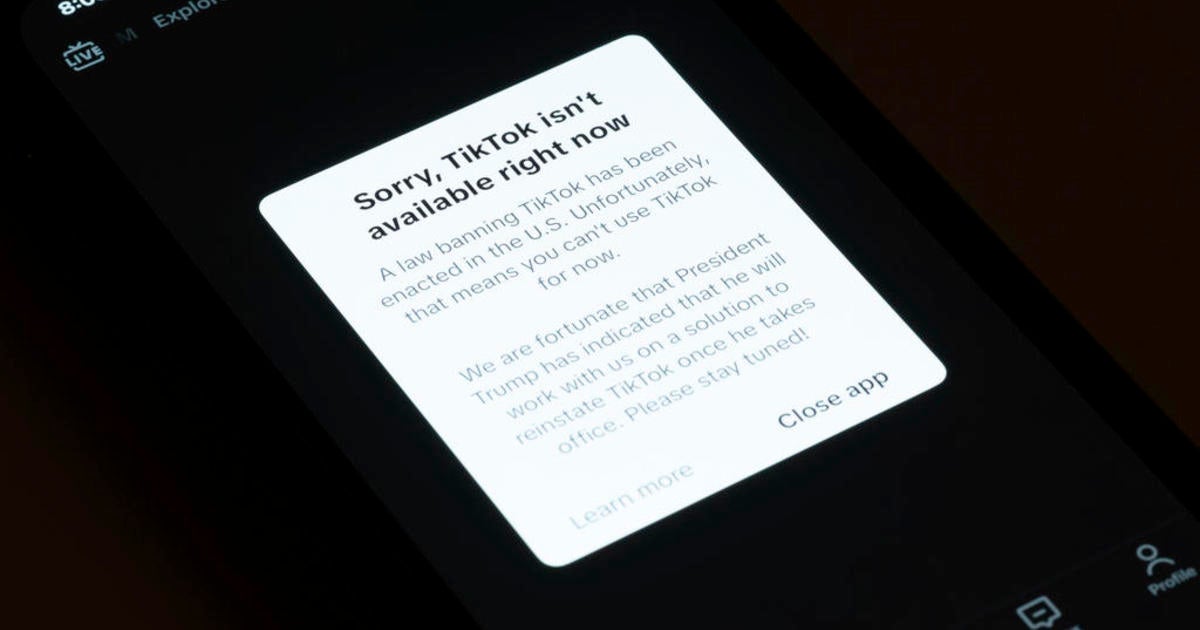
TikTok’s Ban: US Social Media Frenzy

"And let’s not forget this might be the start of a multi-platform domino effect. If TikTok is toast, Instagram Reels, YouTube Shorts, or bizarre TikTok lookalikes (looking at you, Lemon8) are poised to swoop in and capitalize."

By |January 19, 2025|Categories: Article, Humor, Technology|Tags: |0 Comments

Sutter Health’s Innovative Approach to Sepsis Management

Sutter Health is pioneering a transformative approach in critical care by introducing the FloPatch, a novel wearable device aimed at enhancing clinical decision-making. This initiative focuses on improving sepsis management within intensive care units (ICUs), leveraging real-time data to support critical treatment decisions.

TikTok Ban in the U.S.: A Landmark Moment in National Security

TikTok, the immensely popular social media app, is now banned in the United States following a Supreme Court ruling that mandated the app to sever ties with its China-based parent company, ByteDance, or face a ban.

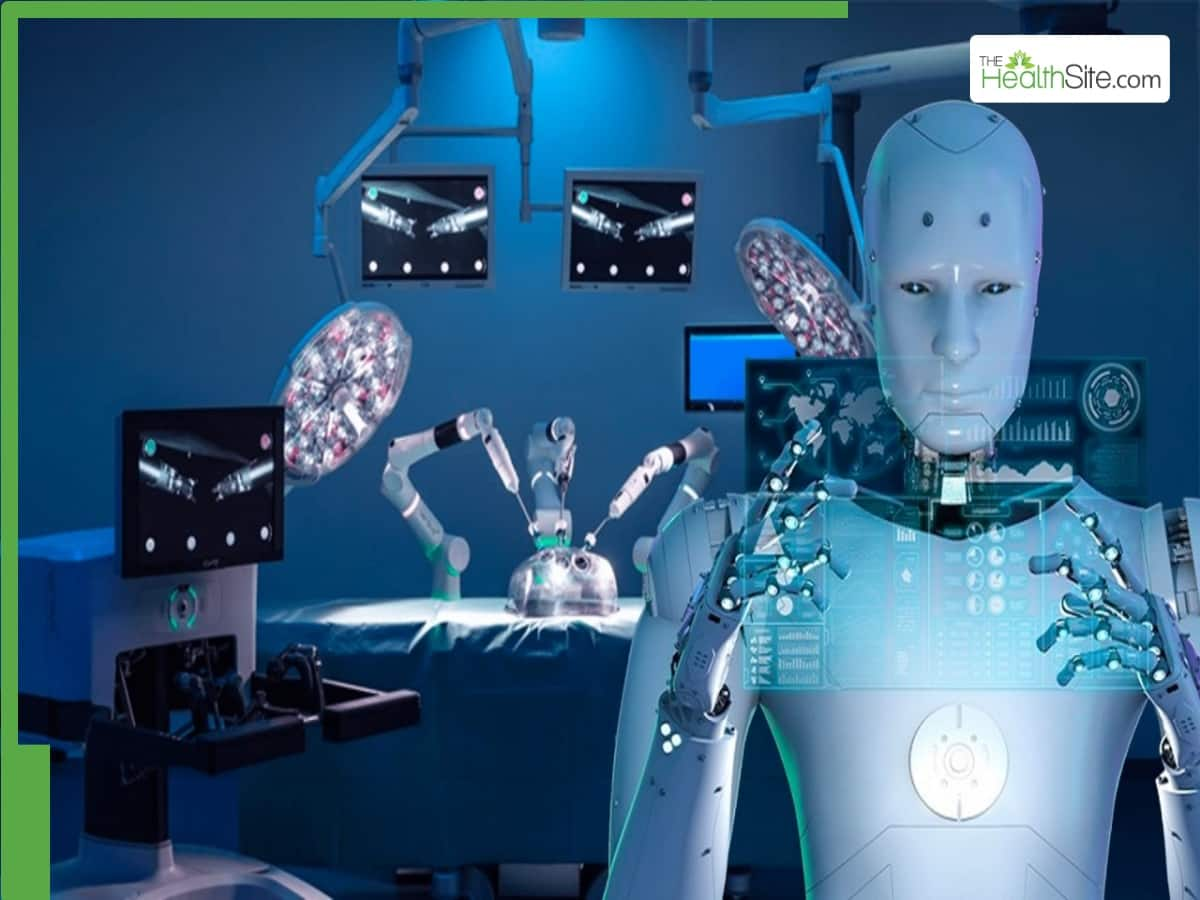
AI and Robotics Revolutionizing Indian Healthcare

AI is poised to revolutionize the diagnostic process, enabling more accurate and faster diagnoses than ever before. Traditional methods, which rely heavily on manual interpretations of medical images, often suffer from delays and errors. In contrast, AI-driven diagnostic tools can swiftly analyze vast amounts of medical data, including X-rays, MRIs, and CT scans, with remarkable precision. This technology is already being leveraged for the early detection of diseases such as cancer and diabetic retinopathy, making diagnostics more efficient and accessible than ever.

By |January 19, 2025|Categories: Article, Healthcare, Technology|Tags: , |0 Comments

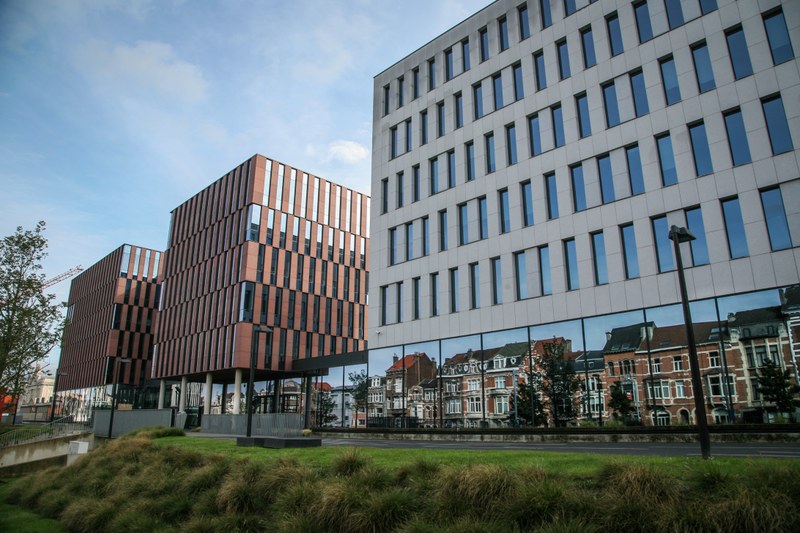
Embracing Smart Renovations: Europe’s Path to Sustainable Building

Currently, buildings account for over 30% of the EU's environmental footprint, a staggering figure that underscores the urgency of reform.