In a world increasingly driven by technology, the Pew Research Center’s recent report sheds light on what life might look like in 2025. The study, conducted between June 30 and July 27, 2020, involved a diverse group of 915 experts, including innovators, developers, business and policy leaders, researchers, and activists. The goal was to explore how the COVID-19 pandemic has accelerated technological transformation and what this means for society’s future. Core Issues Identified:
  • Economic Inequality: As technology becomes more integral, those with digital access and skills may advance, while others fall behind.
  • Privacy and Autonomy: The expansion of major tech companies and AI may significantly erode personal privacy.
  • Misinformation: The spread of misinformation could amplify societal divisions and undermine rational policymaking.
  • Digital Divide: Widening gaps in tech access could deepen existing inequalities.
While the report highlights these challenges, it also presents a glimmer of hope. Some experts believe that the intensified reliance on technology might result in improvements, creating a “tele-everything” world that could benefit sectors such as remote work and education. Potential Positives:
  • Social Reforms: The momentum toward racial justice and economic equity could spark meaningful change.
  • Improved Quality of Life: Permanent shifts towards flexible workplaces and enhanced community integration might improve daily life.
  • Technological Benefits: Advances in AI, virtual, and augmented reality could make living more efficient and safe.
The report from the Pew Research Center emphasizes a crucial moment where the trajectory of technology’s role in society can either build a more equitable future or deepen current divides. Almost half of the respondents were pessimistic about the tech-driven future, voicing concerns about exacerbated inequality and social unrest. However, 39% anticipated improvements, citing telecommuting and tech innovation as potential positives. As we edge closer to this tech-driven future, the insights from the Pew Research Center’s study serve as a valuable guide. They underscore the need for proactive measures to ensure that the integration of technology into everyday life benefits all sectors of society.

More Articles

Getting licensed or staying ahead in your career can be a journey—but it doesn’t have to be overwhelming. Grab your favorite coffee or tea, take a moment to relax, and browse through our articles. Whether you’re just starting out or renewing your expertise, we’ve got tips, insights, and advice to keep you moving forward. Here’s to your success—one sip and one step at a time!

The Genetic Revolution: CRISPR and Public Opinion

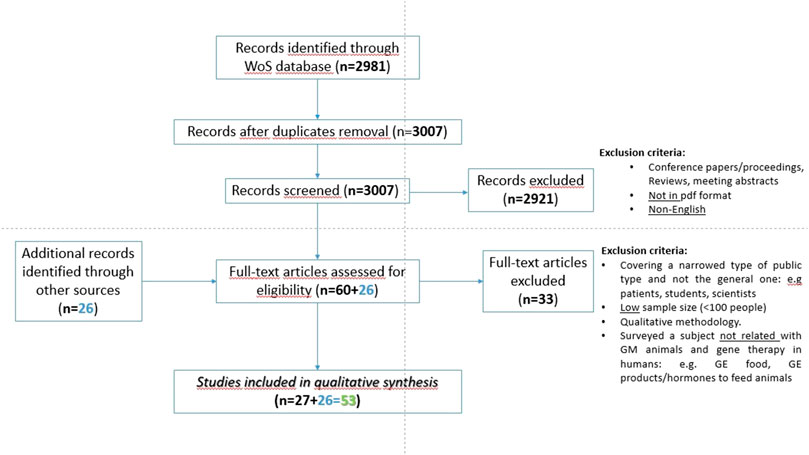
CRISPR-Cas9 democratizes the ability to edit genomes with unprecedented precision and ease, transforming scientific research and sparking profound societal and ethical debates.

Revolutionizing Healthcare: The AI Transformation

Artificial Intelligence (AI) is no longer a futuristic concept in healthcare; it is a reality reshaping the industry today. Visionaries like Vinod Khosla have long predicted AI's potential, foreseeing its ability to replace up to 80% of standard medical tasks. This transformation is now evident as AI technologies begin to outperform traditional methods, particularly in areas requiring precision and data processing.

Exploring the Intersection of AI and Patient-Centered Care

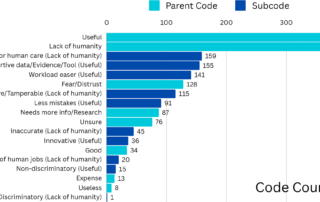
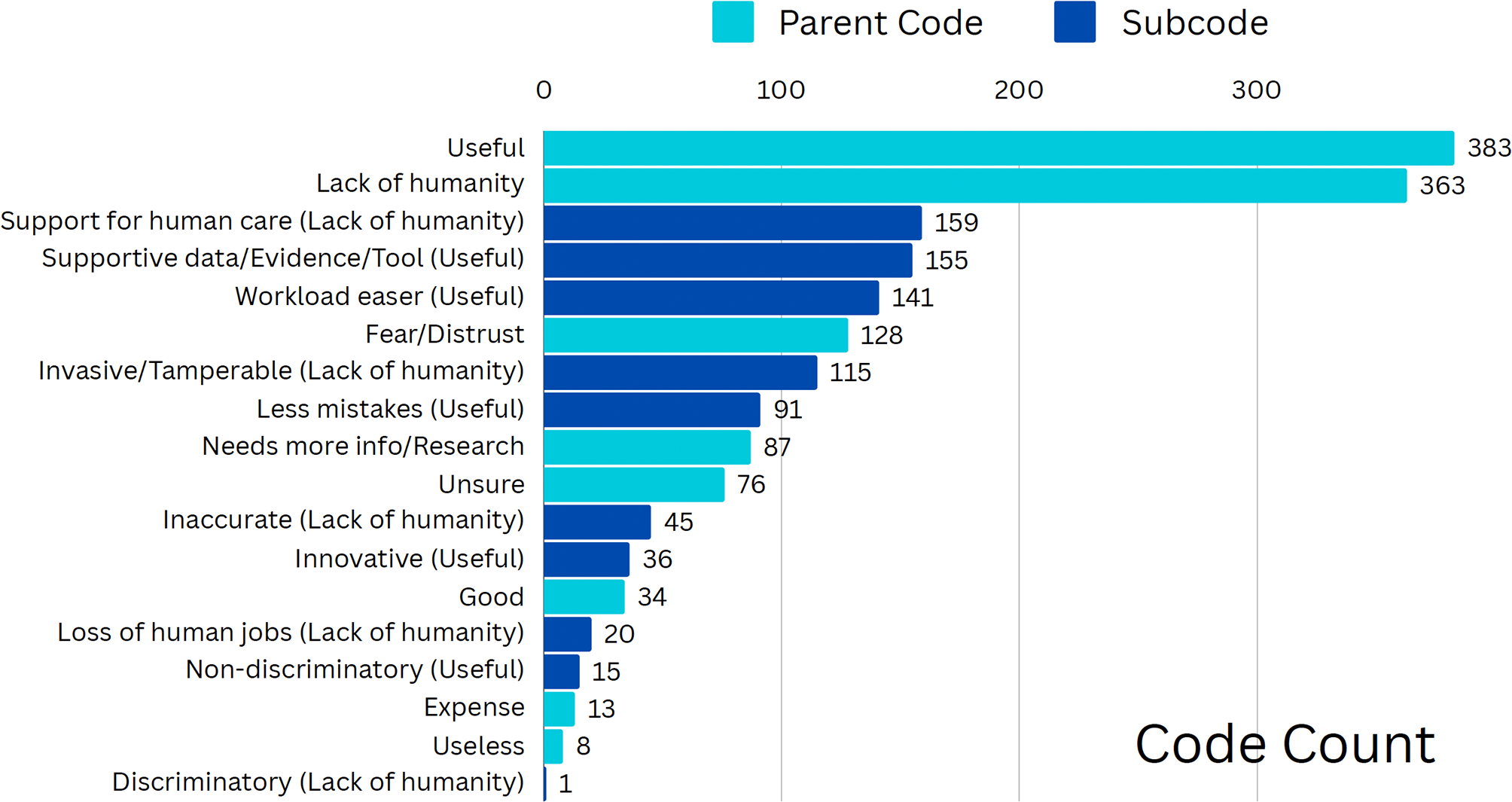
In a groundbreaking study published in BMC Medical Ethics, researchers have delved into the public's perception of artificial intelligence (AI) in healthcare, spotlighting both ethical concerns and potential opportunities for enhancing patient-centered care.

By |December 19, 2024|Categories: Article, Ethics, Healthcare|Tags: , |0 Comments

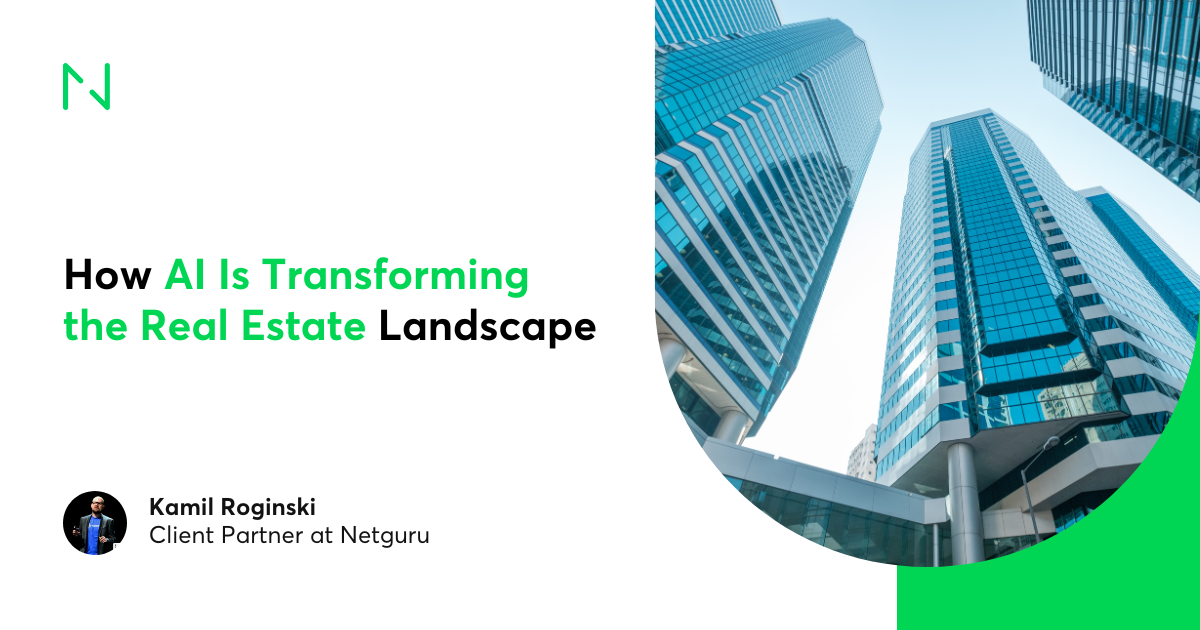
The AI Revolution in Real Estate

The real estate industry is experiencing a seismic shift, thanks to the integration of artificial intelligence (AI). This cutting-edge technology is fundamentally transforming property acquisition, sales, and management processes. AI's influence extends to predictive analytics, which are reshaping investment decisions, and virtual property tours, which are revolutionizing how we navigate the real estate landscape.

By |December 19, 2024|Categories: Article, Artificial Intelligence, Real Estate|Tags: |0 Comments

Virtual Care in 2024: Challenges and Opportunities for Telehealth

The telehealth market is experiencing a remarkable surge, driven by the increasing adoption of digital health solutions and remote care services.

NAR 2024 Sustainability Report: A Greener Future for Real Estate

The findings suggest that the industry is on the cusp of a "green revolution," with significant strides being made towards sustainability.


By |December 18, 2024|Categories: Article, Real Estate, Sustainability|Tags: , |0 Comments