In a world increasingly driven by technology, the Pew Research Center’s recent report sheds light on what life might look like in 2025. The study, conducted between June 30 and July 27, 2020, involved a diverse group of 915 experts, including innovators, developers, business and policy leaders, researchers, and activists. The goal was to explore how the COVID-19 pandemic has accelerated technological transformation and what this means for society’s future. Core Issues Identified:
  • Economic Inequality: As technology becomes more integral, those with digital access and skills may advance, while others fall behind.
  • Privacy and Autonomy: The expansion of major tech companies and AI may significantly erode personal privacy.
  • Misinformation: The spread of misinformation could amplify societal divisions and undermine rational policymaking.
  • Digital Divide: Widening gaps in tech access could deepen existing inequalities.
While the report highlights these challenges, it also presents a glimmer of hope. Some experts believe that the intensified reliance on technology might result in improvements, creating a “tele-everything” world that could benefit sectors such as remote work and education. Potential Positives:
  • Social Reforms: The momentum toward racial justice and economic equity could spark meaningful change.
  • Improved Quality of Life: Permanent shifts towards flexible workplaces and enhanced community integration might improve daily life.
  • Technological Benefits: Advances in AI, virtual, and augmented reality could make living more efficient and safe.
The report from the Pew Research Center emphasizes a crucial moment where the trajectory of technology’s role in society can either build a more equitable future or deepen current divides. Almost half of the respondents were pessimistic about the tech-driven future, voicing concerns about exacerbated inequality and social unrest. However, 39% anticipated improvements, citing telecommuting and tech innovation as potential positives. As we edge closer to this tech-driven future, the insights from the Pew Research Center’s study serve as a valuable guide. They underscore the need for proactive measures to ensure that the integration of technology into everyday life benefits all sectors of society.


More Articles

Getting licensed or staying ahead in your career can be a journey—but it doesn’t have to be overwhelming. Grab your favorite coffee or tea, take a moment to relax, and browse through our articles. Whether you’re just starting out or renewing your expertise, we’ve got tips, insights, and advice to keep you moving forward. Here’s to your success—one sip and one step at a time!

UAE’s Vision for Desert Expansion and Urban Innovation

The UAE is set to transform its expansive desert landscapes into thriving residential communities, aligning with the nation's commitment to harnessing natural resources and the '15-minute city' model.

By |December 12, 2024|Categories: Article, Sustainable Development, Urban Planning|Tags: , |0 Comments

Exploring the Role of Telemedicine in Medical Education

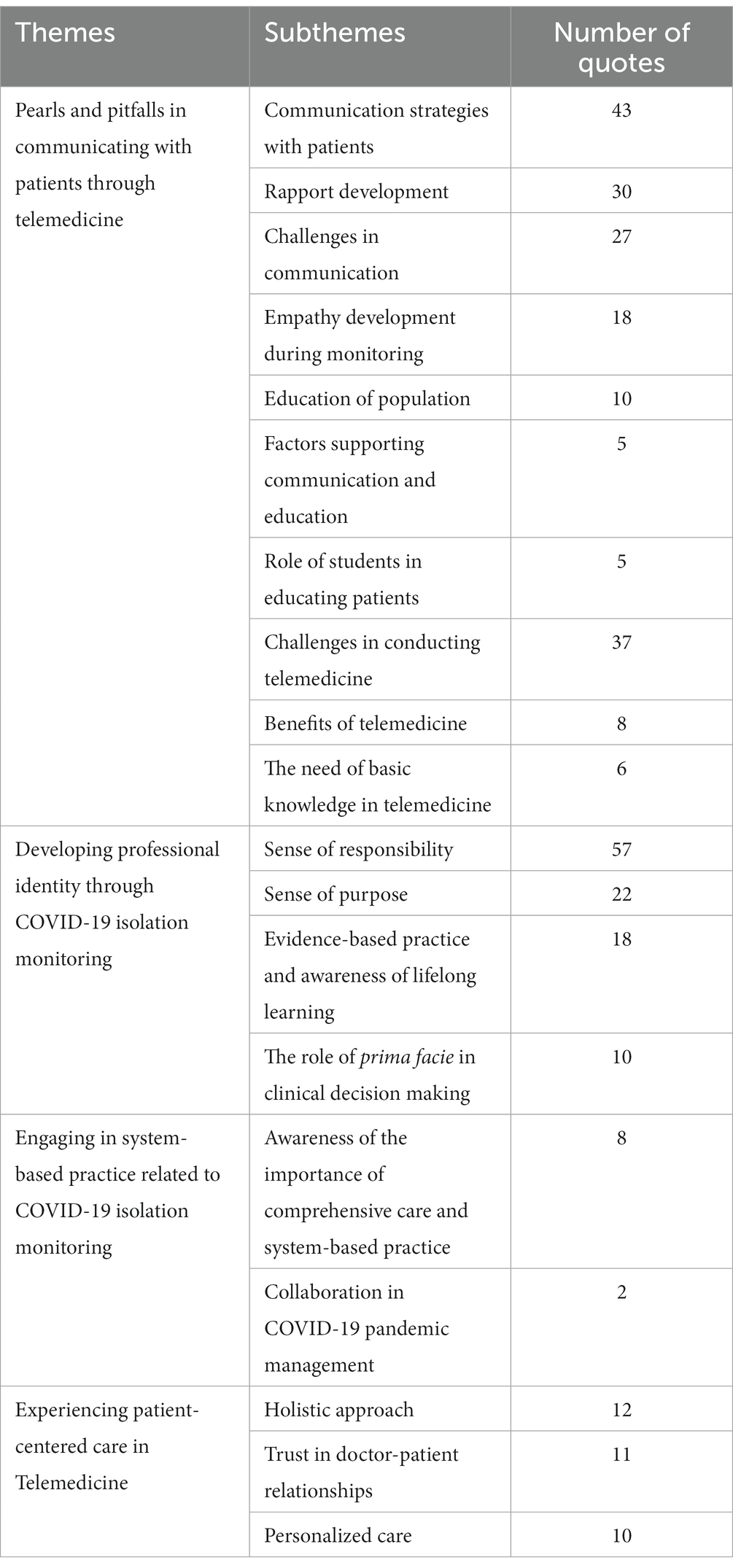
In a recent study, researchers delved into the transformative impact of a telemedicine-based course on undergraduate medical students during the COVID-19 pandemic. As the pandemic reshaped the landscape of healthcare, telemedicine emerged as a vital tool, not only in patient care but also in medical education.

By |December 11, 2024|Categories: Article, Medical Education, Telemedicine|Tags: , |0 Comments

The Transformative Role of AI in Healthcare: Enhancing Patient Care and Health Management

AI technology holds the potential to improve clinical outcomes, reduce healthcare costs, and enhance population health. In the realm of preventive care, AI is being utilized in radiology to expedite cancer screenings, such as mammograms and lung cancer screenings.

By |December 11, 2024|Categories: Article, Artificial Intelligence, Healthcare|Tags: , |0 Comments

Revolutionizing Healthcare: The Future of Medical Networking

The transformation is paving the way for a future where care is more personalized, and the ecosystem is inclusive for medical practitioners and providers to proactively manage patients' health. A key component of this evolution is medical networking, which is being redefined by the collaborative exchange of data among practitioners, professionals, and healthcare facilities.

Innovative Urban Expansion: The UAE’s Vision for Sustainable Living

As the UAE's population continues to surge, developers are seizing the opportunity to transform the sprawling desert into vibrant residential communities.

The Call for Climate Change in Medical Curricula

As the world grapples with the multifaceted impacts of climate change, a new urgency is emerging within the medical community.