Philadelphia Earns Major 15% Flood Insurance Discount — What It Means for Homeowners, Renters, and Real Estate Professionals
Beginning April 1, thousands of Philadelphians carrying federal flood insurance will see a meaningful drop in their premiums — a full 15% discount approved by FEMA. This change comes as the city officially joins the Community Rating System, a national program that rewards local governments for taking proactive steps to reduce flood risk.
The move is more than just a policy update — it’s a real shift with financial impact, especially in a region where flood risks continue to rise and extreme weather events become increasingly destructive.
FEMA’s Community Rating System (CRS) scores cities on their commitment to flood mitigation. The more a city invests in education, planning, risk reduction, and sustainable development, the more its residents save.
Philadelphia earned credit for maintaining parkland along waterways, strengthening hazard mitigation plans, and expanding community outreach. These efforts elevated the city to CRS Class 7 — unlocking the 15% reduction for all NFIP policyholders.
The Rising Cost of Flood Risk
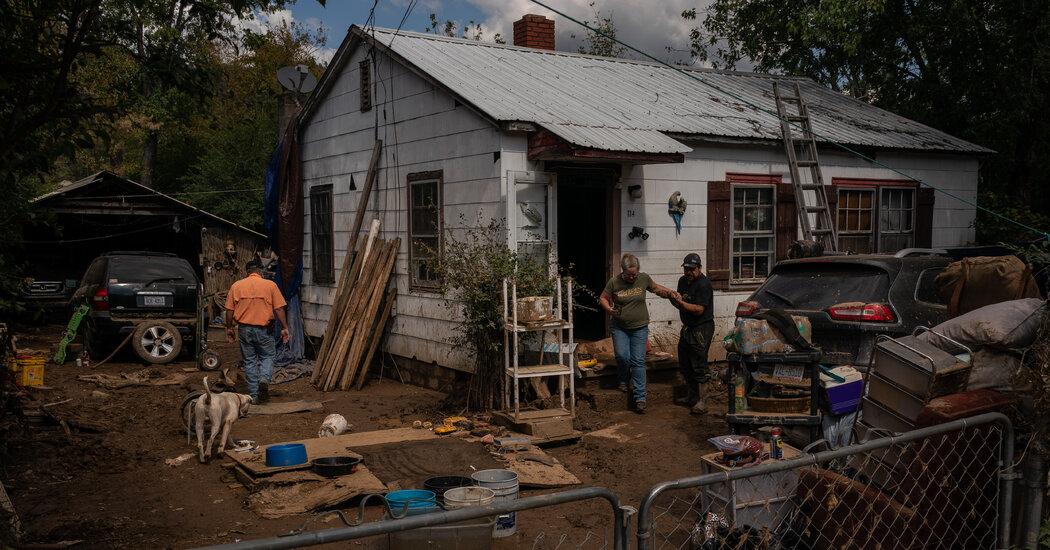
Flooding has become a regular concern across the region. From ruined basements to displaced families after Ida in 2021, the financial toll is staggering. Since standard homeowners insurance doesn’t cover flood damage, residents often rely on federal aid or personal funds.
Yet flood insurance can be pricey. With median premiums around $870 a year — and many paying much more — affordability remains a serious challenge. That’s what makes this discount especially meaningful for renters and homeowners alike.
Real People, Real Relief
Many residents are relieved. One landlord said the discount may finally make coverage affordable after years of juggling rising insurance costs. Another Eastwick resident, paying nearly $2,000 a year, called the discount “significant,” though noted that more support is still needed for people on fixed incomes.
On a citywide scale, the savings add up: an estimated $424,000 annually for residents and businesses.
What Happens Next
Anyone starting or renewing a flood policy after April 1 should automatically receive the discount. If not, experts advise contacting your insurance agent to verify CRS credit.
City officials say more improvements are ahead. Strengthening building elevation standards, expanding outreach, and documenting additional flood‑safety activities could help Philadelphia earn even deeper discounts in the future.
What This Means for Real Estate, Insurance, and Finance Professionals
This shift has major implications. Lower premiums can improve affordability, reduce lending obstacles, and increase buyer confidence in historically flood‑impacted neighborhoods.
Professionals trained through Cameron Academy already understand how crucial flood mapping, risk assessment, and insurance costs are to property valuation and client decisions. This FEMA policy update highlights the importance of staying educated in a fast‑changing environment.
Advance Your Real Estate or Insurance Career
Explore flexible, affordable online licensing and continuing education at Cameron Academy — proudly serving real estate, mortgage, insurance, finance, and other licensed professionals in all 50 states.
For residents, this discount is a step toward long‑term resilience. For professionals, it’s a powerful reminder to stay informed, stay educated, and stay ahead of industry change.
More Articles
Getting licensed or staying ahead in your career can be a journey—but it doesn’t have to be overwhelming. Grab your favorite coffee or tea, take a moment to relax, and browse through our articles. Whether you’re just starting out or renewing your expertise, we’ve got tips, insights, and advice to keep you moving forward. Here’s to your success—one sip and one step at a time!
In the aftermath of Hurricane Helene, homeowners in North Carolina face the daunting challenge of securing compensation from insurance companies and the federal government. The process can be both infuriating and baffling, yet it is essential for recovery.
Nearly half of all rental households in America are cost-burdened, spending over 30% of their income on rent. This financial strain is even more pronounced in areas with strong employment growth, where housing costs are highest. The paradox is clear: regions with the most economic opportunities present the greatest barriers to affordable housing.
The potential for AI to affect wage structures and income inequality is another critical discussion point. While AI could enhance productivity, it might also concentrate benefits among a select group.
The advent of blockchain technology and decentralized finance (DeFi) is revolutionizing how we perceive and interact with financial markets. Central to this transformation is the concept of tokenization, a process that converts assets into digital tokens on a blockchain, enhancing security, accessibility, and liquidity.
The marriage of AI and blockchain promises to streamline transaction processing, significantly reducing paperwork and processing time. This newfound efficiency allows agents to handle more deals at their own pace, enhancing productivity and client satisfaction.