Philadelphia Earns Major 15% Flood Insurance Discount — What It Means for Homeowners, Renters, and Real Estate Professionals
Beginning April 1, thousands of Philadelphians carrying federal flood insurance will see a meaningful drop in their premiums — a full 15% discount approved by FEMA. This change comes as the city officially joins the Community Rating System, a national program that rewards local governments for taking proactive steps to reduce flood risk.
The move is more than just a policy update — it’s a real shift with financial impact, especially in a region where flood risks continue to rise and extreme weather events become increasingly destructive.
FEMA’s Community Rating System (CRS) scores cities on their commitment to flood mitigation. The more a city invests in education, planning, risk reduction, and sustainable development, the more its residents save.
Philadelphia earned credit for maintaining parkland along waterways, strengthening hazard mitigation plans, and expanding community outreach. These efforts elevated the city to CRS Class 7 — unlocking the 15% reduction for all NFIP policyholders.
The Rising Cost of Flood Risk
Flooding has become a regular concern across the region. From ruined basements to displaced families after Ida in 2021, the financial toll is staggering. Since standard homeowners insurance doesn’t cover flood damage, residents often rely on federal aid or personal funds.
Yet flood insurance can be pricey. With median premiums around $870 a year — and many paying much more — affordability remains a serious challenge. That’s what makes this discount especially meaningful for renters and homeowners alike.
Real People, Real Relief
Many residents are relieved. One landlord said the discount may finally make coverage affordable after years of juggling rising insurance costs. Another Eastwick resident, paying nearly $2,000 a year, called the discount “significant,” though noted that more support is still needed for people on fixed incomes.
On a citywide scale, the savings add up: an estimated $424,000 annually for residents and businesses.
What Happens Next
Anyone starting or renewing a flood policy after April 1 should automatically receive the discount. If not, experts advise contacting your insurance agent to verify CRS credit.
City officials say more improvements are ahead. Strengthening building elevation standards, expanding outreach, and documenting additional flood‑safety activities could help Philadelphia earn even deeper discounts in the future.
What This Means for Real Estate, Insurance, and Finance Professionals
This shift has major implications. Lower premiums can improve affordability, reduce lending obstacles, and increase buyer confidence in historically flood‑impacted neighborhoods.
Professionals trained through Cameron Academy already understand how crucial flood mapping, risk assessment, and insurance costs are to property valuation and client decisions. This FEMA policy update highlights the importance of staying educated in a fast‑changing environment.
Advance Your Real Estate or Insurance Career
Explore flexible, affordable online licensing and continuing education at Cameron Academy — proudly serving real estate, mortgage, insurance, finance, and other licensed professionals in all 50 states.
For residents, this discount is a step toward long‑term resilience. For professionals, it’s a powerful reminder to stay informed, stay educated, and stay ahead of industry change.
More Articles
Getting licensed or staying ahead in your career can be a journey—but it doesn’t have to be overwhelming. Grab your favorite coffee or tea, take a moment to relax, and browse through our articles. Whether you’re just starting out or renewing your expertise, we’ve got tips, insights, and advice to keep you moving forward. Here’s to your success—one sip and one step at a time!
Just 48 hours after NAR unveiled major revisions to its MLS policies, plaintiffs in the Michigan-based Hardy lawsuit moved to use those changes as evidence, arguing they prove NAR’s prior rules were anticompetitive. NAR denies any wrongdoing, but the case is quickly becoming a key test for whether MLS access should require Realtor membership — a question now echoing across multiple states and potentially reshaping how real estate professionals nationwide access the industry’s most essential tool.
Florida homeowners are now paying some of the highest insurance premiums in the country, with average costs topping $5,800 per year—nearly double the national average. Residents report skyrocketing rates, denied claims, and tough choices between costly coverage and financial risk. As frustration grows, lawmakers and consumer advocates are pushing new reforms aimed at increasing transparency, capping rate hikes, and protecting policyholders in one of the nation’s most volatile insurance markets.
Economic uncertainty, rapid AI adoption, tighter capital flows, and rising portfolio risk are reshaping the 2026 commercial real estate landscape. From shifting workforce patterns to a national housing attainability crisis, the industry is entering a data‑driven, fundamentals‑focused era—making adaptability, education, and tech literacy essential for real estate professionals.
Mortgage rates have climbed to 6.23 percent as investors grow doubtful that the Federal Reserve will deliver a rate cut in December. A soft but unclear jobs report and persistent inflation have pushed borrowing costs higher, reversing October’s brief relief in the housing market. Real estate and mortgage professionals should prepare clients for continued volatility as the Fed’s December meeting approaches.
After years of tight inventory, high mortgage rates, and sluggish sales, economists say 2026 is shaping up to be the turnaround real estate professionals have been waiting for. NAR projects a 14 percent jump in home sales, mortgage rates easing toward 6 percent, and buyer demand finally gaining momentum. While higher‑end homes are moving quickly, first‑time buyers continue to face affordability challenges, and price reductions are reappearing as sellers adjust to shifting conditions. For Florida agents, brokers, and newcomers, the stage is being set for a busy and opportunity‑rich year.
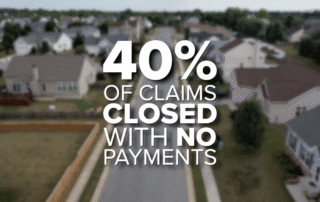
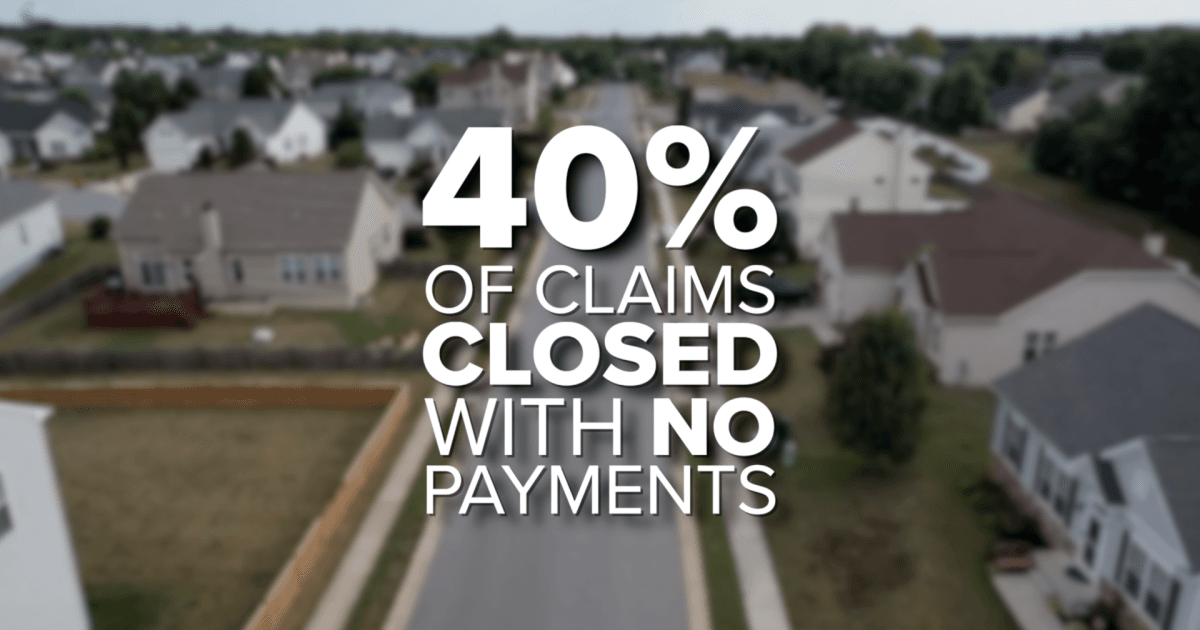
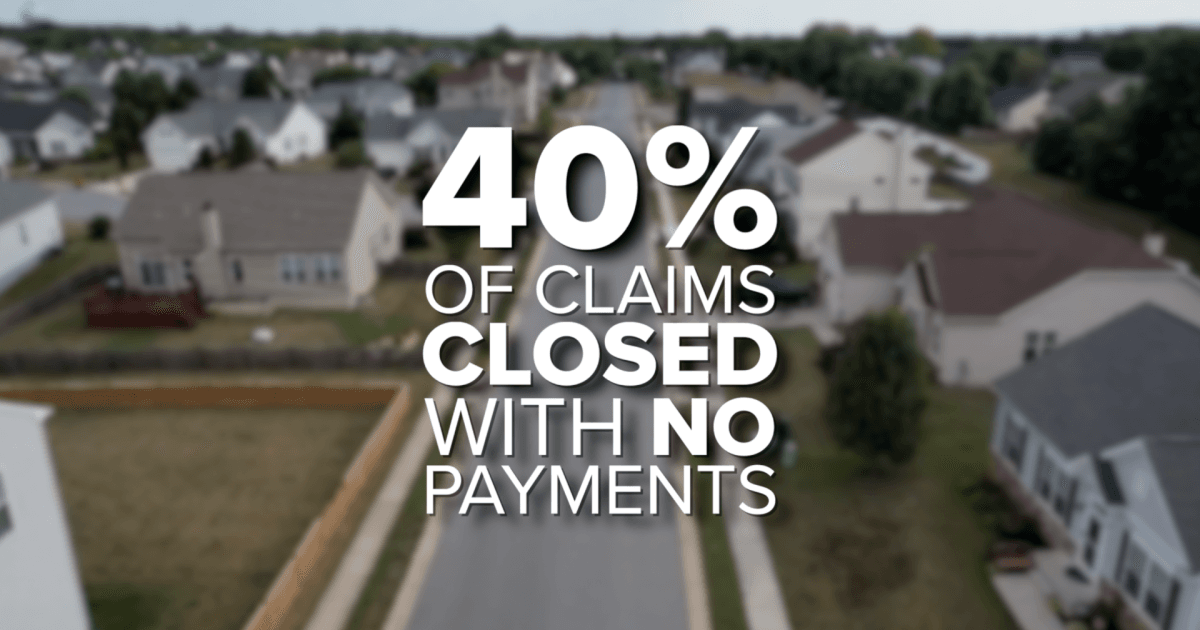
Florida’s average homeowner insurance premium has soared to $5,838 a year—almost $3,000 above the national average—pushing many residents to the financial brink. From tripled premiums to lowball claim payouts, homeowners are speaking out as frustration mounts. Some are even dropping coverage entirely. With more than 40% of claims closed without payment and policy cancellations at record levels, lawmakers are pushing for reforms, but political hurdles remain. The outcome could reshape Florida real estate, insurance, and mortgage markets for years to come.