Philadelphia’s Center City Office Market: A Summer of Transformation
This summer marked a significant shift in Philadelphia’s Center City office market, as the long-standing effects of the COVID-19 pandemic and the rise of remote work began to thaw. Between June and August, five major office buildings changed hands, albeit for prices significantly lower than their previous valuations. This shift reflects the broader challenges facing commercial real estate in the era of hybrid work.
Among the notable transactions, two buildings, 399 and 1760 Market Street, will remain as office spaces but with drastically reduced rents. Meanwhile, 400 Market Street is set for conversion into apartments, and Three Parkway will be transformed into a mixed-use building, half residential and half office. Additionally, the iconic Bourse building on Independence Mall will see parts of it converted into hotel space.
The Wanamaker building, one of the white elephants of Center City real estate, saw its loan sold at a $45 million loss to New York City’s TF Cornerstone Inc., which already owns the Macy’s space on the lower floors. This sale is a precursor to potential full ownership and a reimagining of the building’s future.
A Complex Picture
The recent flurry of activity is not without its downsides. Building owners and investors, including public pension funds, have incurred substantial losses. The Pennsylvania school (PSERS), Pennsylvania state workers (SERS), and New Jersey state pension funds reported a combined loss of $1.3 billion from real estate investments, even as they paid over $180 million in fees to Wall Street real estate firms. For these funds, real estate has been their worst-performing asset class.
Commercial real estate owners are challenging property tax assessments, arguing that their buildings are worth less than before, which poses a threat to municipal finances. Office vacancy rates in the second quarter of this year stood at over 19%, according to Jones Lang LaSalle (JLL). The year 2025 is expected to see a peak in lease expirations, with 1.4 million square feet of space up for renewal. The Center City District reports that retail occupancy remains below 2019 levels.
Despite these challenges, there is a sense of cautious optimism. An anticipated interest rate cut could ease pressure on new projects and building owners with floating rate loans. “I don’t know if cautious optimism is the right word, but there is a feeling that there is a way to work our way through this,” said Tom Weitzel, JLL’s managing director in Philadelphia. “This is not good, this is not easy, but there’s a light at the end of the tunnel.”
Office-to-Residential Conversions
While the initial enthusiasm for converting vacant office spaces into housing waned as the complexities became apparent, this summer saw two additional conversions. Lubert-Adler Real Estate Funds and Keystone Real Estate Group purchased the Bourse building and 400 Market Street. The Bourse will be partly converted into hotel and event space, while 400 Market Street will become 176 apartment units.
These transactions represent a growing trend of office-to-residential conversions in Center City, with seven such projects announced, totaling 1.5 million square feet of space and adding over 1,350 apartment units to the area. “It’s way more [conversions] than we predicted,” said Clint Randall, vice president of economic development with Center City District. “It’s not a silver bullet, but thanks to conversions, we help the supply side of the equation moderate.”
Cheaper Office Sales, Cheaper Rents
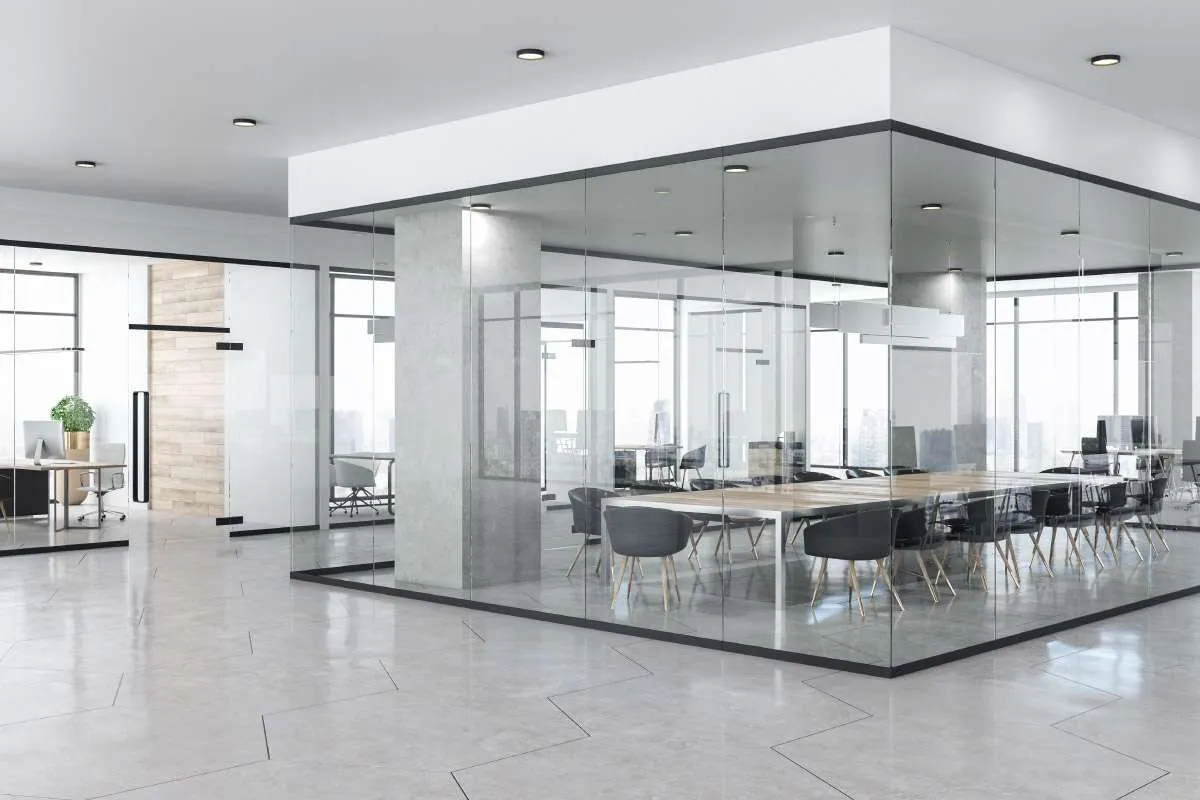
Residential conversion isn’t the only outcome for post-COVID office building sales. The east and west sides of Market Street saw sales of midsize buildings that will preserve office uses while reducing rents to attract startups, nonprofits, and small businesses. At 399 Market Street, residential developer Ori Feibush purchased the old Colonial Penn Life Insurance Co. building for $14 million, a markdown of one-third from its previous valuation.
Feibush has been successful in cutting office suites into smaller chunks and reducing rents to $23-$25 a square foot, below the regional average of $29.95. A similar strategy is underway at 1760 Market Street, which changed hands for two-thirds less than its previous sale price in 2018. “Leasing activity is robust,” said James L. Paterno, founder of Stockton Real Estate Advisors, which manages 1760 Market Street.
Looking Ahead
While the uptick in transactions may not necessarily indicate a healthier market, it does show a willingness among building owners and investors to accept substantial losses to move forward. “The uptick in transaction volume doesn’t speak to a healthier market necessarily, so much as it does just more desire to unload properties or to shift burdens elsewhere,” said Ashley DeLuca, co-leader of the distressed property team at Ballard Spahr.
As the market continues to evolve, these transactions could pave the way for a new chapter in Center City’s office landscape. “This happens every 20 years or so,” said Glenn Blumenfeld, principal with Tactix Real Estate Advisors. “This is when people get rich in real estate. It’s easier when you have big distressed situations.”