
Pioneering the Future: The Ethical Landscape of Fetal Genome Editing

In the ever-evolving world of science, the potential to edit fetal genomes is no longer a distant dream but an emerging reality. Yet, as the boundaries of genomic medicine expand, the ethical discussions surrounding these advancements remain in their infancy. Most scientists, driven by the pursuit of knowledge, are not traditionally equipped to navigate the societal implications of their breakthroughs, as noted in a recent piece from The Conversation.
Uncharted Ethical Waters
The journey of genomic editing began in earnest in 2015 when U.S. scientists called for a moratorium on germline genome editing, a controversial practice where genetic alterations are inheritable. Despite these calls for open discussion, the dialogue remained largely insular, confined to scientific circles. By 2018, the world witnessed the birth of genetically modified babies in China, a stark reminder of the absence of ethical oversight and regulatory frameworks, as highlighted in a report.
Engaging Communities: A Crucial Step
The ethical debate is not just a scientific concern but a societal one. Engaging with communities, especially those directly affected by genetic diseases, is crucial. In 2022, a citizens’ jury in the U.K. composed of individuals affected by genetic disorders deliberated on the ethics of germline editing. Their verdict: it could be ethical, provided conditions like transparency and equal access are met. This approach underscores the importance of involving diverse voices in the conversation.
A doctor performing an ultrasound on a pregnant person.
The Intersection of Science and Society
The potential to edit the genome of a fetus, also known as fetal genome surgery, offers unprecedented opportunities to address genetic diseases early. Yet, it also raises significant ethical questions, particularly regarding the role of the pregnant person in these procedures. Historically, seeing the fetus as a separate patient has sometimes overshadowed the interests of the pregnant individual, complicating the ethical landscape further.
Health Equity and Access
As with any groundbreaking technology, access and equity remain paramount. The high cost of genome editing, such as the $3.1 million price tag for treating sickle cell disease, poses significant barriers. Moreover, trust in the healthcare system is crucial, especially among communities historically underrepresented in genomic research. Addressing these disparities is essential to ensure that the benefits of genome editing are equitably distributed.
Conclusion
As we stand on the cusp of a new era in genomic medicine, the need for comprehensive ethical discussions is more pressing than ever. By engaging with the communities most affected and considering the broader societal impacts, we can navigate the complex ethical terrain of fetal genome editing. Only then can we ensure that these scientific advancements truly benefit humanity.

More Articles

Getting licensed or staying ahead in your career can be a journey—but it doesn’t have to be overwhelming. Grab your favorite coffee or tea, take a moment to relax, and browse through our articles. Whether you’re just starting out or renewing your expertise, we’ve got tips, insights, and advice to keep you moving forward. Here’s to your success—one sip and one step at a time!

2025 Commercial Real Estate Outlook: Navigating a New Era

The commercial real estate landscape is on the brink of transformation as leaders seek to navigate the challenges of recent years and position their organizations for future opportunities.

The Emerging Mental Health Crisis Among Healthcare Workers During the COVID-19 Pandemic

The pandemic has ushered in a wave of mental health challenges that affect healthcare workers profoundly. From the onset of COVID-19, these professionals have been at the forefront, facing immense pressure, long hours, and the constant fear of exposure.

By |December 18, 2024|Categories: Article, Healthcare Workers, Mental Health|Tags: , |0 Comments

Ethical Concerns of Large Language Models in Healthcare

Exploring the dual nature of LLMs offers substantial benefits in healthcare but also raises significant ethical concerns, underscoring the need for well-defined guidelines and human oversight.

The Role of Wearable Devices in Chronic Disease Monitoring and Patient Care: A Comprehensive Review

Wearable devices have become integral in managing chronic conditions by providing continuous health data, empowering patients and healthcare professionals with insights that were previously unattainable.

AI Training Mandates: Navigating Legal Waters in Dentistry

The integration of artificial intelligence (AI) into dental practices is more than a technological trend; it represents a seismic shift in the industry. This transformation is reshaping skill sets and prompting a thorough examination of legal and ethical implications.

By |December 17, 2024|Categories: Article, Legal, Technology|Tags: , |0 Comments

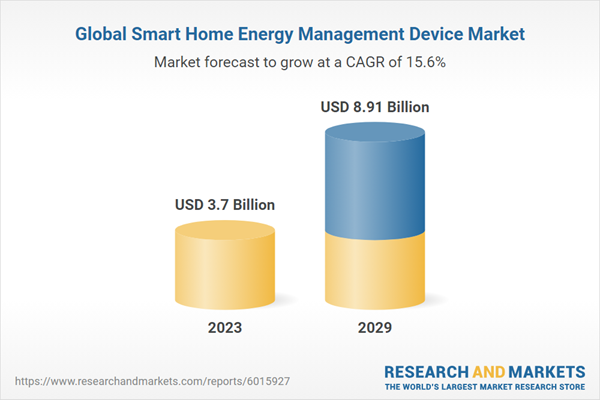
Smart Home Energy Management Devices: A Market Poised for Growth

The Global Smart Home Energy Management Device Market is on the brink of a significant transformation, driven by escalating demands for energy-efficient solutions and the increasing adoption of smart home technologies.