
Pioneering the Future: The Ethical Landscape of Fetal Genome Editing

In the ever-evolving world of science, the potential to edit fetal genomes is no longer a distant dream but an emerging reality. Yet, as the boundaries of genomic medicine expand, the ethical discussions surrounding these advancements remain in their infancy. Most scientists, driven by the pursuit of knowledge, are not traditionally equipped to navigate the societal implications of their breakthroughs, as noted in a recent piece from The Conversation.
Uncharted Ethical Waters
The journey of genomic editing began in earnest in 2015 when U.S. scientists called for a moratorium on germline genome editing, a controversial practice where genetic alterations are inheritable. Despite these calls for open discussion, the dialogue remained largely insular, confined to scientific circles. By 2018, the world witnessed the birth of genetically modified babies in China, a stark reminder of the absence of ethical oversight and regulatory frameworks, as highlighted in a report.
Engaging Communities: A Crucial Step
The ethical debate is not just a scientific concern but a societal one. Engaging with communities, especially those directly affected by genetic diseases, is crucial. In 2022, a citizens’ jury in the U.K. composed of individuals affected by genetic disorders deliberated on the ethics of germline editing. Their verdict: it could be ethical, provided conditions like transparency and equal access are met. This approach underscores the importance of involving diverse voices in the conversation.
A doctor performing an ultrasound on a pregnant person.
The Intersection of Science and Society
The potential to edit the genome of a fetus, also known as fetal genome surgery, offers unprecedented opportunities to address genetic diseases early. Yet, it also raises significant ethical questions, particularly regarding the role of the pregnant person in these procedures. Historically, seeing the fetus as a separate patient has sometimes overshadowed the interests of the pregnant individual, complicating the ethical landscape further.
Health Equity and Access
As with any groundbreaking technology, access and equity remain paramount. The high cost of genome editing, such as the $3.1 million price tag for treating sickle cell disease, poses significant barriers. Moreover, trust in the healthcare system is crucial, especially among communities historically underrepresented in genomic research. Addressing these disparities is essential to ensure that the benefits of genome editing are equitably distributed.
Conclusion
As we stand on the cusp of a new era in genomic medicine, the need for comprehensive ethical discussions is more pressing than ever. By engaging with the communities most affected and considering the broader societal impacts, we can navigate the complex ethical terrain of fetal genome editing. Only then can we ensure that these scientific advancements truly benefit humanity.

More Articles

Getting licensed or staying ahead in your career can be a journey—but it doesn’t have to be overwhelming. Grab your favorite coffee or tea, take a moment to relax, and browse through our articles. Whether you’re just starting out or renewing your expertise, we’ve got tips, insights, and advice to keep you moving forward. Here’s to your success—one sip and one step at a time!

Is Florida’s Booming Real Estate Market Becoming Unaffordable?

Florida is facing a real estate crisis marked by skyrocketing insurance premiums, stringent FEMA rules, and a surge in hedge fund property acquisitions.

By |November 14, 2024|Categories: Article, Finance/Economy, Real Estate|Tags: , |0 Comments

Revolutionizing Cancer Therapy: The Promise of Patient-Derived Organoids

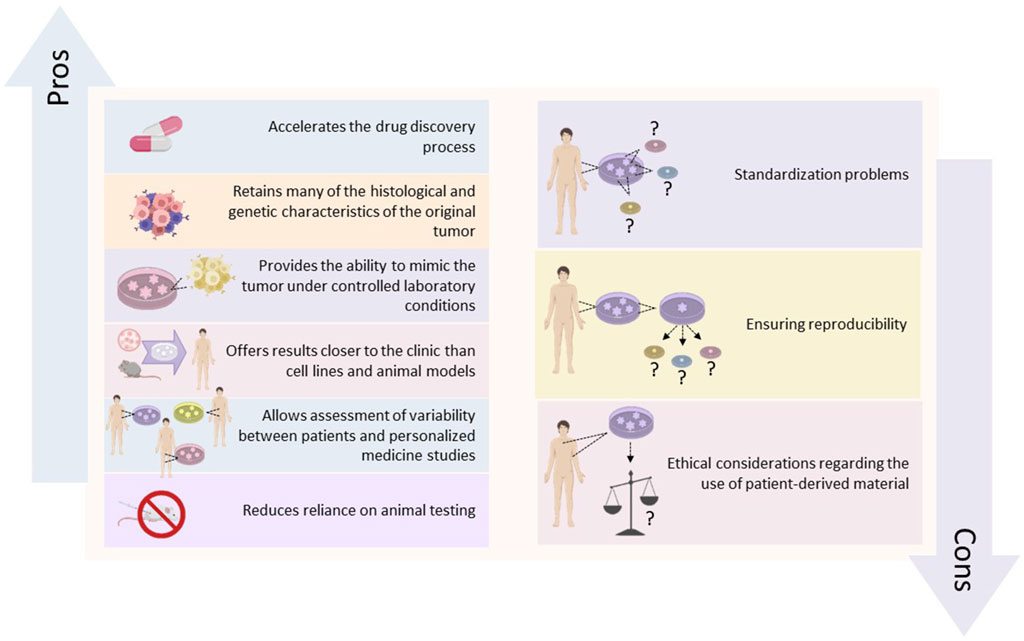
Patient-derived organoids offer an unprecedented opportunity to replicate the complex structure and genetic makeup of cancers, providing a more accurate model for clinical drug screening and pharmacognostic assessment.

The AI Revolution in Dermatology: A Systematic Review

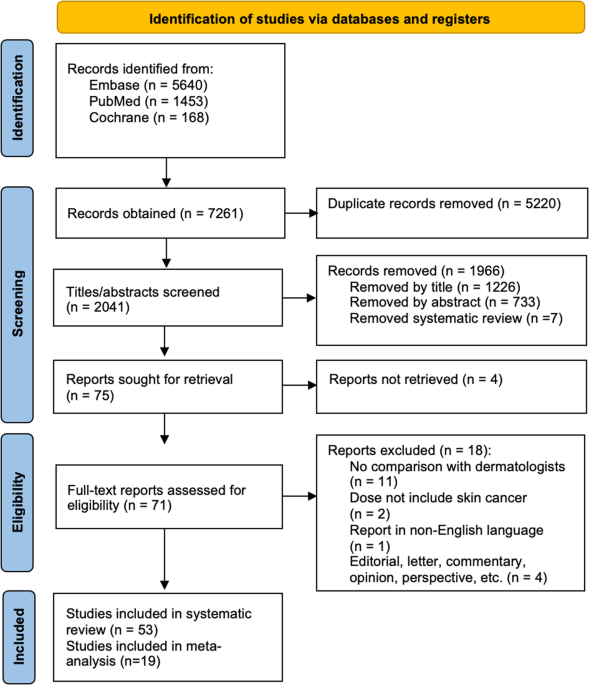
In a groundbreaking study published in Nature, researchers have delved into the burgeoning field of artificial intelligence (AI) in dermatology, specifically examining its role in diagnosing skin cancer. The study, titled "A Systematic Review and Meta-Analysis of Artificial Intelligence Versus Clinicians for Skin Cancer Diagnosis," offers a comprehensive look at how AI stacks up against human clinicians in this critical area of healthcare.

By |November 14, 2024|Categories: AI in Healthcare, Article, Dermatology|Tags: , |0 Comments

The Fast Lane to Fully Autonomous Vehicles: Industry Innovations and Future Prospects

The automotive world is abuzz with announcements from major players like Tesla, Rimac, Renault, and Nissan, each unveiling plans to introduce autonomous vehicles in the near future. Tesla's much-anticipated "CyberCab" is set for an October 2024 debut, while Rimac and Renault are gearing up for releases in 2026.

Futureproofing for Insurers: The Role of AI and Hyper-Personalization

In a rapidly evolving industry, insurance companies are turning to artificial intelligence (AI) and hyper-personalization to stay ahead of the curve.

Revolutionizing Healthcare: The Power and Potential of AI

AI technology offers a multitude of benefits, from enhancing patient outcomes to reducing healthcare costs and improving population health. Its application ranges from preventive screenings to complex diagnostic procedures, marking a new era in medical care.

By |November 13, 2024|Categories: Article, Artificial Intelligence, Healthcare|Tags: , |0 Comments