Portable Mortgages: The Housing Market Shake-Up That Could Rewrite the Rules
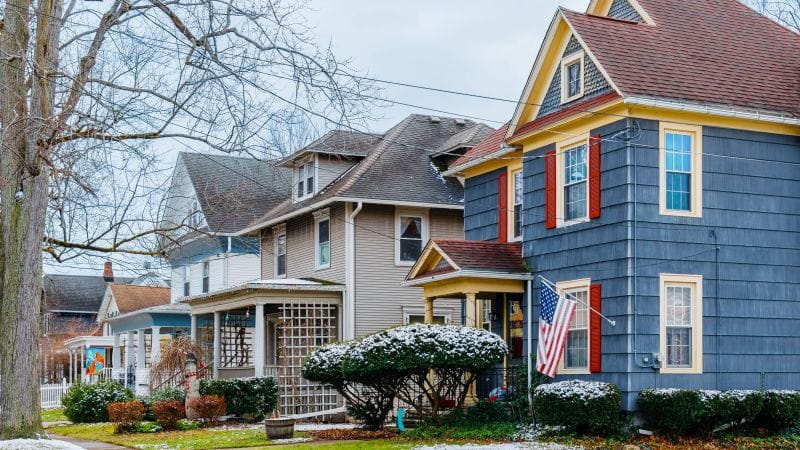
Neighborhood homes

The Trump administration is exploring a bold new move to make housing more affordable: allowing Americans to take their low mortgage rates with them when they move. Known as portable mortgages, this concept is now “actively being evaluated,” according to Federal Housing Finance Agency Director Bill Pulte, in a report first covered by CNN Business.

Want the original deep-dive? Visit the full report here: CNN Business – Portable Mortgages

Why Portable Mortgages Matter Right Now

For years, homeowners with ultra-low mortgage rates have been staying put, unwilling to trade a 3% mortgage for today’s 6–7% rates. Redfin reports that more than half of all homeowners with mortgages currently hold rates under 4%. That’s a massive portion of Americans effectively “locked in,” causing one of the tightest inventory shortages in recent memory.

Portable mortgages aim to change that. They would allow homeowners to transfer their existing rate and remaining balance to a new home. For instance, a homeowner with $200,000 left on a 3% mortgage could keep that same rate when moving. If the new home costs more, the difference could be paid in cash or financed with a secondary loan at current rates.

But It’s Not That Simple

Analysts warn that portable mortgages could disrupt the system behind modern lending: mortgage‑backed securities. Since portability reduces early loan payoffs, investors may see these mortgages as riskier—potentially leading to higher interest rates across the market.

Legal challenges also loom large. Mortgages are tied to specific properties with legal descriptions, meaning transferring them requires rewriting contracts entirely. Some experts describe this as a “logistical nightmare” that could slow adoption.

Other Ideas on the Table

Portable mortgages aren’t the only concept under consideration. The administration is also weighing a 50‑year mortgage option. While appealing for lower monthly payments, critics argue the long-term interest burden could overshadow benefits. Assumable mortgages—where a buyer takes over the seller’s existing mortgage—are another idea, but high cash requirements remain a major barrier.

Curious about the full list of proposals? Explore more details at: CNN Business – What You Need to Know

Why This Matters for Real Estate Professionals

Whether you’re in real estate, lending, insurance, valuation, or housing policy, these shifts could reshape how you guide clients through one of the biggest financial decisions of their lives. Staying updated is no longer optional—it’s a competitive edge.

At Cameron Academy, we empower professionals across real estate, mortgage, insurance, finance, and more with cutting‑edge licensing programs and continuing education. Understanding emerging trends like portable mortgages helps you remain adaptable, knowledgeable, and indispensable.

More Articles

Getting licensed or staying ahead in your career can be a journey—but it doesn’t have to be overwhelming. Grab your favorite coffee or tea, take a moment to relax, and browse through our articles. Whether you’re just starting out or renewing your expertise, we’ve got tips, insights, and advice to keep you moving forward. Here’s to your success—one sip and one step at a time!

Proptech Promised a Revolution — So Why Does Real Estate Still Feel the Same?

Despite billions poured into proptech and a decade of flashy digital upgrades, the real estate experience remains largely unchanged. Apps made processes smoother, but not more transparent — because the industry’s core structures, data control and power dynamics stayed the same. True disruption will come from platforms that shift information and control to consumers, not just digitize outdated systems.

CRE Markets Wake Up in 2026: What Real Estate Professionals Need to Know

Early 2026 is delivering a clear message: commercial real estate is entering a recalibration phase. Construction is softening, pending home sales just saw a sharp drop, consumer sentiment is inching upward but remains fragile, and capital markets are tightening as major CRE sectors face rising distress. From data centers powering ahead to CMBS foreclosures climbing and office-to-residential conversions gaining momentum, professionals across real estate, mortgage, insurance, and finance need to stay sharp as the industry shifts.

Top 10 Highest-Paying Real Estate Careers of 2026

Discover the real estate roles earning the biggest paychecks in 2026. From investment consultants to commercial leasing managers, this breakdown highlights the salaries, responsibilities, and career paths offering the strongest financial potential in today’s evolving market—perfect for newcomers and seasoned professionals mapping their next big move.

Montana Launches Bold Licensing Reform Task Force to Boost Workforce Participation

Montana is taking major steps to remove outdated licensing barriers and strengthen its workforce. Governor Greg Gianforte has created a new Licensing Reform Task Force aimed at modernizing regulations, speeding up approvals, and helping more professionals enter high‑demand fields like construction and healthcare. With licensing numbers doubling over the past decade and rural communities facing critical shortages, the state is pushing for faster, more efficient pathways to work. The task force begins meeting in February and will deliver its full reform report by September 2026 — a move that could influence licensing modernization efforts nationwide.

AI Becomes Standard Gear for Real Estate Agents in 2026

Artificial intelligence has officially moved from novelty to necessity in the real estate world. According to new industry data, 97% of brokerage leaders say their agents now rely on AI tools for everything from listing descriptions to full-scale marketing campaigns. As adoption skyrockets, so do concerns over training, accuracy, and compliance — especially among smaller firms. The message is clear: for today’s real estate professionals, AI literacy isn’t optional anymore.

How the Biggest Players Shaped the 2025 Commercial Real Estate Comeback

Commercial real estate roared back to life in 2025, with more than $255B pouring into multifamily, industrial, office and retail assets. Major investors moved fast on falling interest rates, improving bond yields and rising confidence across sectors. Multifamily dominated with over $115B in deals, industrial surged under private equity leadership, office saw renewed activity from owner-users and retail proved surprisingly resilient. For today’s real estate and finance professionals, the message is clear: opportunity favors those who stay informed and ready to act.