Portable Mortgages: The Housing Market Shake-Up That Could Rewrite the Rules
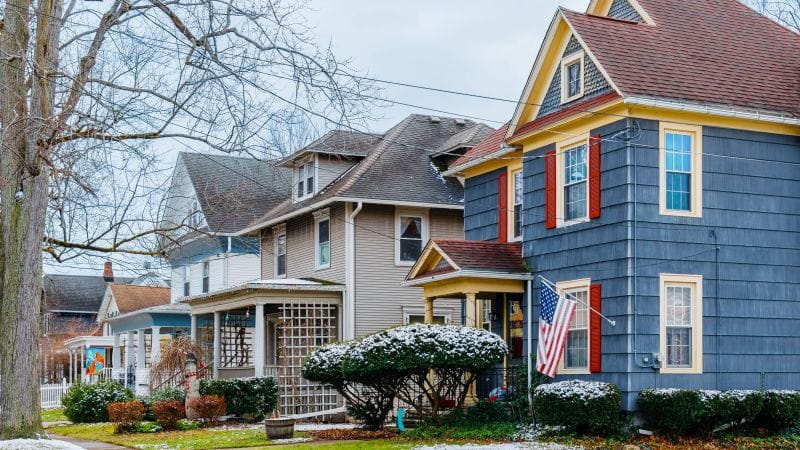
Neighborhood homes

The Trump administration is exploring a bold new move to make housing more affordable: allowing Americans to take their low mortgage rates with them when they move. Known as portable mortgages, this concept is now “actively being evaluated,” according to Federal Housing Finance Agency Director Bill Pulte, in a report first covered by CNN Business.

Want the original deep-dive? Visit the full report here: CNN Business – Portable Mortgages

Why Portable Mortgages Matter Right Now

For years, homeowners with ultra-low mortgage rates have been staying put, unwilling to trade a 3% mortgage for today’s 6–7% rates. Redfin reports that more than half of all homeowners with mortgages currently hold rates under 4%. That’s a massive portion of Americans effectively “locked in,” causing one of the tightest inventory shortages in recent memory.

Portable mortgages aim to change that. They would allow homeowners to transfer their existing rate and remaining balance to a new home. For instance, a homeowner with $200,000 left on a 3% mortgage could keep that same rate when moving. If the new home costs more, the difference could be paid in cash or financed with a secondary loan at current rates.

But It’s Not That Simple

Analysts warn that portable mortgages could disrupt the system behind modern lending: mortgage‑backed securities. Since portability reduces early loan payoffs, investors may see these mortgages as riskier—potentially leading to higher interest rates across the market.

Legal challenges also loom large. Mortgages are tied to specific properties with legal descriptions, meaning transferring them requires rewriting contracts entirely. Some experts describe this as a “logistical nightmare” that could slow adoption.

Other Ideas on the Table

Portable mortgages aren’t the only concept under consideration. The administration is also weighing a 50‑year mortgage option. While appealing for lower monthly payments, critics argue the long-term interest burden could overshadow benefits. Assumable mortgages—where a buyer takes over the seller’s existing mortgage—are another idea, but high cash requirements remain a major barrier.

Curious about the full list of proposals? Explore more details at: CNN Business – What You Need to Know

Why This Matters for Real Estate Professionals

Whether you’re in real estate, lending, insurance, valuation, or housing policy, these shifts could reshape how you guide clients through one of the biggest financial decisions of their lives. Staying updated is no longer optional—it’s a competitive edge.

At Cameron Academy, we empower professionals across real estate, mortgage, insurance, finance, and more with cutting‑edge licensing programs and continuing education. Understanding emerging trends like portable mortgages helps you remain adaptable, knowledgeable, and indispensable.


More Articles

Getting licensed or staying ahead in your career can be a journey—but it doesn’t have to be overwhelming. Grab your favorite coffee or tea, take a moment to relax, and browse through our articles. Whether you’re just starting out or renewing your expertise, we’ve got tips, insights, and advice to keep you moving forward. Here’s to your success—one sip and one step at a time!

Surviving the Storm: Navigating Insurance and FEMA After Hurricane Helene

In the aftermath of Hurricane Helene, homeowners in North Carolina face the daunting challenge of securing compensation from insurance companies and the federal government. The process can be both infuriating and baffling, yet it is essential for recovery.

Tackling America’s Housing Affordability Crisis: The Power of Zoning Reform

Nearly half of all rental households in America are cost-burdened, spending over 30% of their income on rent. This financial strain is even more pronounced in areas with strong employment growth, where housing costs are highest. The paradox is clear: regions with the most economic opportunities present the greatest barriers to affordable housing.

By |October 14, 2024|Categories: Article, Housing, Policy Reform|Tags: , |0 Comments

Deloitte’s 2025 Commercial Real Estate Outlook: Opportunities and Challenges

The 2025 commercial real estate outlook presents a generational opportunity for organizations to redefine their strategies and embrace the future.

AI’s Role in Shaping Our Work Lives

The potential for AI to affect wage structures and income inequality is another critical discussion point. While AI could enhance productivity, it might also concentrate benefits among a select group.

By |October 14, 2024|Categories: Article, Artificial Intelligence, Future of Work|Tags: , |0 Comments

Tokenization: Reshaping Financial Landscapes

The advent of blockchain technology and decentralized finance (DeFi) is revolutionizing how we perceive and interact with financial markets. Central to this transformation is the concept of tokenization, a process that converts assets into digital tokens on a blockchain, enhancing security, accessibility, and liquidity.

By |October 14, 2024|Categories: Article, Finance, Technology|Tags: , |0 Comments

Revolutionizing Real Estate: The AI and Blockchain Advantage

The marriage of AI and blockchain promises to streamline transaction processing, significantly reducing paperwork and processing time. This newfound efficiency allows agents to handle more deals at their own pace, enhancing productivity and client satisfaction.

By |October 14, 2024|Categories: Article, Real Estate, Technology|Tags: |0 Comments