Portable Mortgages: The Housing Market Shake-Up That Could Rewrite the Rules
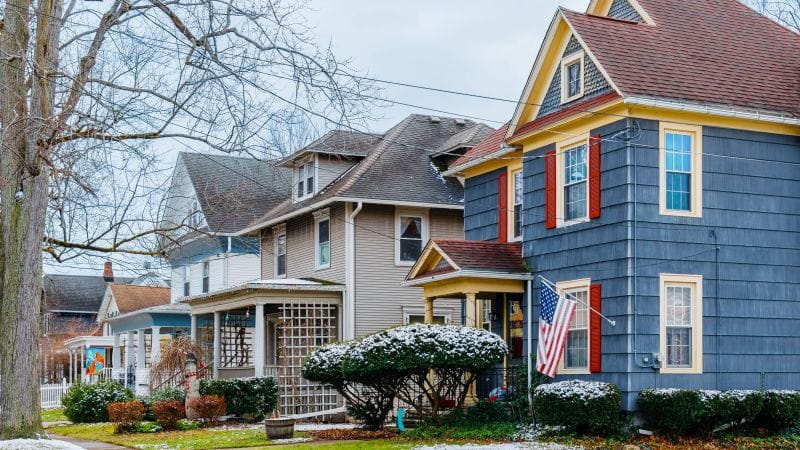
Neighborhood homes

The Trump administration is exploring a bold new move to make housing more affordable: allowing Americans to take their low mortgage rates with them when they move. Known as portable mortgages, this concept is now “actively being evaluated,” according to Federal Housing Finance Agency Director Bill Pulte, in a report first covered by CNN Business.

Want the original deep-dive? Visit the full report here: CNN Business – Portable Mortgages

Why Portable Mortgages Matter Right Now

For years, homeowners with ultra-low mortgage rates have been staying put, unwilling to trade a 3% mortgage for today’s 6–7% rates. Redfin reports that more than half of all homeowners with mortgages currently hold rates under 4%. That’s a massive portion of Americans effectively “locked in,” causing one of the tightest inventory shortages in recent memory.

Portable mortgages aim to change that. They would allow homeowners to transfer their existing rate and remaining balance to a new home. For instance, a homeowner with $200,000 left on a 3% mortgage could keep that same rate when moving. If the new home costs more, the difference could be paid in cash or financed with a secondary loan at current rates.

But It’s Not That Simple

Analysts warn that portable mortgages could disrupt the system behind modern lending: mortgage‑backed securities. Since portability reduces early loan payoffs, investors may see these mortgages as riskier—potentially leading to higher interest rates across the market.

Legal challenges also loom large. Mortgages are tied to specific properties with legal descriptions, meaning transferring them requires rewriting contracts entirely. Some experts describe this as a “logistical nightmare” that could slow adoption.

Other Ideas on the Table

Portable mortgages aren’t the only concept under consideration. The administration is also weighing a 50‑year mortgage option. While appealing for lower monthly payments, critics argue the long-term interest burden could overshadow benefits. Assumable mortgages—where a buyer takes over the seller’s existing mortgage—are another idea, but high cash requirements remain a major barrier.

Curious about the full list of proposals? Explore more details at: CNN Business – What You Need to Know

Why This Matters for Real Estate Professionals

Whether you’re in real estate, lending, insurance, valuation, or housing policy, these shifts could reshape how you guide clients through one of the biggest financial decisions of their lives. Staying updated is no longer optional—it’s a competitive edge.

At Cameron Academy, we empower professionals across real estate, mortgage, insurance, finance, and more with cutting‑edge licensing programs and continuing education. Understanding emerging trends like portable mortgages helps you remain adaptable, knowledgeable, and indispensable.


More Articles

Getting licensed or staying ahead in your career can be a journey—but it doesn’t have to be overwhelming. Grab your favorite coffee or tea, take a moment to relax, and browse through our articles. Whether you’re just starting out or renewing your expertise, we’ve got tips, insights, and advice to keep you moving forward. Here’s to your success—one sip and one step at a time!

Unlocking the Door to Your Dream Home: A Comprehensive Guide to Affording a $700,000 House

Stepping into homeownership is a significant financial milestone, especially when you're setting your sights on a $700,000 property. This comprehensive guide will demystify the financial aspects of homeownership, breaking down the income requirements, the mortgage process, and the additional costs involved. Whether you're a first-time homebuyer or looking to upgrade your current home, this article will equip you with valuable insights to navigate your journey towards owning your dream home. To chart your course towards homeownership, it's crucial to understand the 28/36 rule. This financial principle suggests that no more than 28% of your total monthly income should be allocated towards your monthly housing costs, and no more than 36% should be dedicated to overall debt payments. Adhering to this guideline ensures a healthy balance between your housing expenses and other financial commitments, paving the way for a secure financial future.

By |September 12, 2023|Categories: Real Estate Homeownership|Tags: , |0 Comments

Revolutionizing Professional Development: Cameron Academy’s Unique Approach to Real Estate, Insurance, and Mortgage Education

Cameron Academy offers a comprehensive range of courses tailored to suit varying learning needs, allowing professionals to enhance their career paths.

Online Course Platforms: A New Era for Real Estate Coaches and Professional Development

Whether you're looking to enhance your one-on-one consultations or envision creating comprehensive courses and materials, choosing the right online platform can dramatically impact your coaching journey as a real estate professional.

Housing Starts Surge in July: Causes and Market Challenges

In July, despite mounting headwinds, housing starts made a surprising surge, signaling a promising trend in the real estate market.

Understanding Nonbank Mortgage Lenders and Alternative Loan Products

Cameron Academy provides insight into the performance of nonbank mortgage lenders, the Goldilocks moment in servicing and originations, and the changing landscape for smaller lenders. Learners gain a strategic understanding of the evolving real estate and mortgage industry.

Updates in Mortgage Industry Performance 2023: Your Guide to Success

"Cameron Academy's courses empower professionals to navigate Mortgage Industry Performance 2023's challenges. We cover key aspects such as 'Improving Credit Score for Borrowers', the impact of 'FHFA Proposed Changes', the revolutionary 'CreditXpert's Predictive Analytics Platform', and the crucial role of 'Engaging Borrowers Early'."