Portable Mortgages: The Housing Market Shake-Up That Could Rewrite the Rules
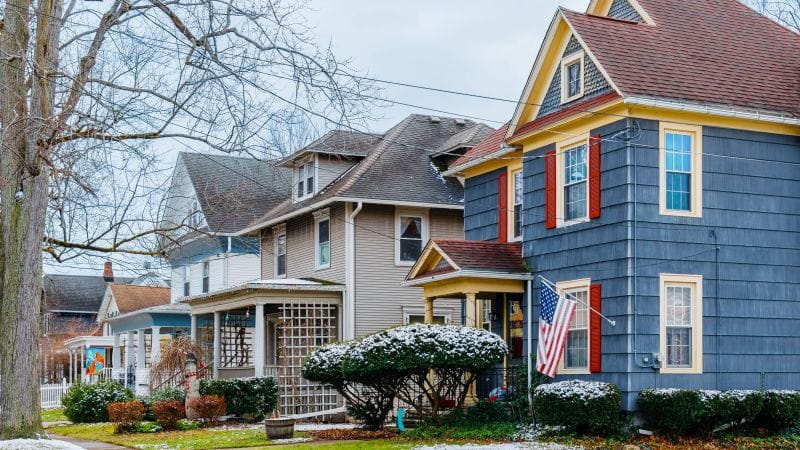
Neighborhood homes

The Trump administration is exploring a bold new move to make housing more affordable: allowing Americans to take their low mortgage rates with them when they move. Known as portable mortgages, this concept is now “actively being evaluated,” according to Federal Housing Finance Agency Director Bill Pulte, in a report first covered by CNN Business.

Want the original deep-dive? Visit the full report here: CNN Business – Portable Mortgages

Why Portable Mortgages Matter Right Now

For years, homeowners with ultra-low mortgage rates have been staying put, unwilling to trade a 3% mortgage for today’s 6–7% rates. Redfin reports that more than half of all homeowners with mortgages currently hold rates under 4%. That’s a massive portion of Americans effectively “locked in,” causing one of the tightest inventory shortages in recent memory.

Portable mortgages aim to change that. They would allow homeowners to transfer their existing rate and remaining balance to a new home. For instance, a homeowner with $200,000 left on a 3% mortgage could keep that same rate when moving. If the new home costs more, the difference could be paid in cash or financed with a secondary loan at current rates.

But It’s Not That Simple

Analysts warn that portable mortgages could disrupt the system behind modern lending: mortgage‑backed securities. Since portability reduces early loan payoffs, investors may see these mortgages as riskier—potentially leading to higher interest rates across the market.

Legal challenges also loom large. Mortgages are tied to specific properties with legal descriptions, meaning transferring them requires rewriting contracts entirely. Some experts describe this as a “logistical nightmare” that could slow adoption.

Other Ideas on the Table

Portable mortgages aren’t the only concept under consideration. The administration is also weighing a 50‑year mortgage option. While appealing for lower monthly payments, critics argue the long-term interest burden could overshadow benefits. Assumable mortgages—where a buyer takes over the seller’s existing mortgage—are another idea, but high cash requirements remain a major barrier.

Curious about the full list of proposals? Explore more details at: CNN Business – What You Need to Know

Why This Matters for Real Estate Professionals

Whether you’re in real estate, lending, insurance, valuation, or housing policy, these shifts could reshape how you guide clients through one of the biggest financial decisions of their lives. Staying updated is no longer optional—it’s a competitive edge.

At Cameron Academy, we empower professionals across real estate, mortgage, insurance, finance, and more with cutting‑edge licensing programs and continuing education. Understanding emerging trends like portable mortgages helps you remain adaptable, knowledgeable, and indispensable.


More Articles

Getting licensed or staying ahead in your career can be a journey—but it doesn’t have to be overwhelming. Grab your favorite coffee or tea, take a moment to relax, and browse through our articles. Whether you’re just starting out or renewing your expertise, we’ve got tips, insights, and advice to keep you moving forward. Here’s to your success—one sip and one step at a time!

Florida Homeowners Finally Get a Break as Insurance Rates Begin to Drop

After years of soaring premiums and insurer instability, Florida’s property insurance market is finally turning a corner. Major carriers have filed 83 requests for rate decreases heading into 2026, with companies like Florida Peninsula and Patriot Select proposing cuts of 8.4% and 11.3%. Some homeowners may see relief as early as next month, signaling a long‑awaited shift toward market stability.

The Fix-and-Flip Comeback: Why 2026 Is Poised to Be a Breakout Year for Investors

Fix-and-flip investing is gearing up for one of its strongest years in a decade as 2026 approaches. With cheaper capital, more accessible funding, easing interest rates, and long-awaited increases in housing inventory, investors are finding the perfect environment to launch or scale renovation-based real estate businesses. Renovation continues to outpace new construction in cost and speed, and demand for move-in-ready homes remains high, making 2026 a powerful opportunity window for both new and experienced investors.

Falling Rents Today, Rising Pressures Tomorrow: A 2026 Rental Squeeze Is on the Horizon

After a short-lived period of relief in 2025, the U.S. rental market may be headed for a tighter, more expensive 2026. With construction starts dropping nearly 11% and completions plunging 42%, the surge of new apartments that helped lower rents is rapidly drying up. Rising costs, shrinking inventory, and a slowdown in new development point to a potential rental crunch that could leave renters facing heavier competition and higher prices across major markets next year.

The Biggest Opportunity in Real Estate Since 2008

The commercial real estate market is entering a rare reset that experts say mirrors the post‑2008 boom, creating a potential window for disciplined investors. With trillions in commercial debt coming due and property values dropping up to 40%, firms like AARE are positioning themselves to acquire assets below replacement cost—an advantage that could set the stage for significant long‑term growth.

Six for 2026: The Commercial Real Estate Shifts Already Reshaping the U.S.

Commercial real estate is entering a reinvention phase, with AI‑driven productivity, modernized office demand, experience‑focused retail, expanding industrial logistics, creative housing solutions, and sustainability‑centered design all accelerating nationwide. These six forces are shaping how investors, brokers, and future licensees will operate in a rapidly evolving U.S. market.

2026 Becomes the Turning Point: Innovation, Stability, and Upward Mobility Return

After years of economic uncertainty and cautious decision‑making, 2026 is shaping up to be the year professionals finally catch a break. AI is moving from buzzword to essential tool, capital markets are beginning to thaw, and hiring is picking up across real estate, mortgage, insurance, finance, and healthcare. With opportunity returning, many professionals are using this moment to upskill—pursuing new licenses, certifications, and cross‑industry expertise.