Portable Mortgages: The Housing Market Shake-Up That Could Rewrite the Rules
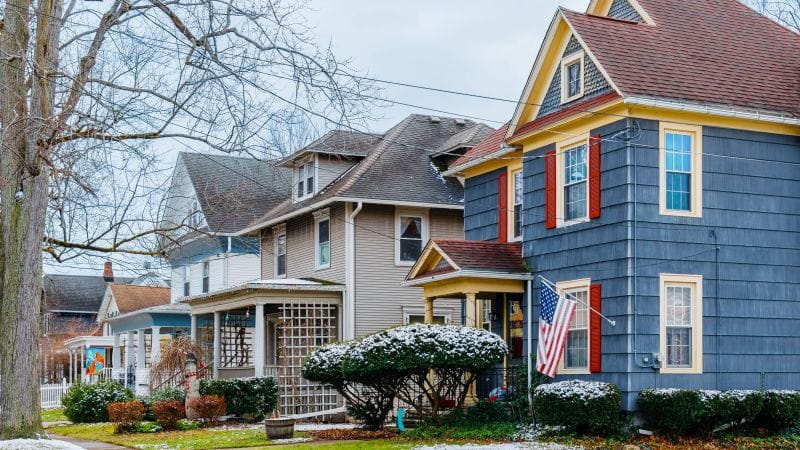
Neighborhood homes

The Trump administration is exploring a bold new move to make housing more affordable: allowing Americans to take their low mortgage rates with them when they move. Known as portable mortgages, this concept is now “actively being evaluated,” according to Federal Housing Finance Agency Director Bill Pulte, in a report first covered by CNN Business.

Want the original deep-dive? Visit the full report here: CNN Business – Portable Mortgages

Why Portable Mortgages Matter Right Now

For years, homeowners with ultra-low mortgage rates have been staying put, unwilling to trade a 3% mortgage for today’s 6–7% rates. Redfin reports that more than half of all homeowners with mortgages currently hold rates under 4%. That’s a massive portion of Americans effectively “locked in,” causing one of the tightest inventory shortages in recent memory.

Portable mortgages aim to change that. They would allow homeowners to transfer their existing rate and remaining balance to a new home. For instance, a homeowner with $200,000 left on a 3% mortgage could keep that same rate when moving. If the new home costs more, the difference could be paid in cash or financed with a secondary loan at current rates.

But It’s Not That Simple

Analysts warn that portable mortgages could disrupt the system behind modern lending: mortgage‑backed securities. Since portability reduces early loan payoffs, investors may see these mortgages as riskier—potentially leading to higher interest rates across the market.

Legal challenges also loom large. Mortgages are tied to specific properties with legal descriptions, meaning transferring them requires rewriting contracts entirely. Some experts describe this as a “logistical nightmare” that could slow adoption.

Other Ideas on the Table

Portable mortgages aren’t the only concept under consideration. The administration is also weighing a 50‑year mortgage option. While appealing for lower monthly payments, critics argue the long-term interest burden could overshadow benefits. Assumable mortgages—where a buyer takes over the seller’s existing mortgage—are another idea, but high cash requirements remain a major barrier.

Curious about the full list of proposals? Explore more details at: CNN Business – What You Need to Know

Why This Matters for Real Estate Professionals

Whether you’re in real estate, lending, insurance, valuation, or housing policy, these shifts could reshape how you guide clients through one of the biggest financial decisions of their lives. Staying updated is no longer optional—it’s a competitive edge.

At Cameron Academy, we empower professionals across real estate, mortgage, insurance, finance, and more with cutting‑edge licensing programs and continuing education. Understanding emerging trends like portable mortgages helps you remain adaptable, knowledgeable, and indispensable.

More Articles

Getting licensed or staying ahead in your career can be a journey—but it doesn’t have to be overwhelming. Grab your favorite coffee or tea, take a moment to relax, and browse through our articles. Whether you’re just starting out or renewing your expertise, we’ve got tips, insights, and advice to keep you moving forward. Here’s to your success—one sip and one step at a time!

Florida’s Middle Class Is Being Squeezed Out: Insurance Costs, Rebuilding Struggles, and a Changing Coastline

Fort Myers Beach is becoming the front line of a new Florida—one shaped by hurricane devastation, soaring insurance premiums, and rapid gentrification. Three years after Hurricane Ian, residents are still battling massive rebuilding costs and insurance bills that now exceed $5,700 a year on average, with flood insurance reaching $10,000 for some families. Long-time locals, small businesses, and service workers are being priced out as wealthy investors move in, transforming once-affordable coastal communities. Real estate professionals warn that foreclosures may rise if economic pressures continue, signaling a pivotal moment for Florida’s housing market and the professionals who serve it.

Top 2026 Commercial Real Estate Issues Every Professional Should Watch

Economic uncertainty, AI disruption, slowing population growth, and rising portfolio risk are reshaping commercial real estate heading into 2026. A new report unveiled at NAR NXT highlights the forces that will reward informed professionals — and challenge those who aren’t prepared. From fiscal policy and shifting capital flows to tech transformation and housing shortages, the landscape is evolving fast. Cameron Academy breaks down the key issues so real estate, mortgage, finance, and insurance professionals can stay ahead of the curve.

Federal Climate Funding Pulled, Leaving Billions in Real Estate Risk Exposed

A sudden federal shutdown of FEMA’s BRIC resiliency program has left cities and commercial property owners scrambling, exposing billions in real estate to rising climate threats. With nearly a billion dollars in mitigation funding clawed back and extreme weather intensifying, insurance premiums are expected to surge and coverage may shrink — placing new pressure on markets like Florida and New York.

Florida Lawmakers Push Bill to Limit Local Power Over Housing Approvals

A new Florida Senate bill aims to stop cities and counties from blocking residential developments over vague “compatibility” concerns. Supporters say the measure would speed up homebuilding and ease housing shortages, while opponents argue it strips communities of essential oversight and could accelerate growth without proper planning. The proposal could reshape development timelines and land-use decisions statewide, making it a major issue for real estate professionals to watch.

Cape Coral Housing Market Shifts in Favor of Buyers as Homes Linger 119 Days

Cape Coral–Fort Myers has officially moved into buyer-friendly territory, with homes now sitting a median 119 days on the market—far longer than both the Florida and U.S. averages. Rising inventory, a 36.9 percent price‑reduction rate, and slower absorption compared to accumulated supply are giving buyers more leverage and time to negotiate, signaling a meaningful reset in this once‑fast‑moving Florida market.

Kansas City’s Commercial Real Estate Market Finds Its Momentum Again

Kansas City’s commercial real estate sector is finally turning a corner after several years of sluggish activity. Retail is leading the rebound, while multifamily and industrial properties are gaining traction as pricing stabilizes and buyer confidence returns. A standout 2025 transaction—the sale of the 380‑unit Cyan Southcreek community—signals that capital is flowing back into the market. With bid‑ask spreads tightening and investor optimism rising, Kansas City is entering a period of renewed opportunity for real estate professionals and investors alike.