Portland’s Commercial Real Estate Market Faces a Historic $2 Billion Collapse

Portland skyline

In a dramatic shift few could have imagined before 2020, Portland’s 20 largest office buildings have collectively lost nearly $2 billion in market value since 2019. According to records obtained by KATU from Multnomah County, the combined valuation of these properties plunged from $3 billion to just $986 million—an astonishing 70% drop.

The implications of this collapse reach far beyond property owners. As the commercial market continues its freefall, the consequences are rippling through city budgets, school districts, and essential local services across Multnomah County.

A Market Reset No One Saw Coming

County economist Jeff Renfro summarized the shock: “Without the pandemic, I’m not sure we would have thought these types of adjustments were even really possible.”

This recalibration has translated into major losses in taxable value. The assessed values of the same 20 office buildings dropped from $1.2 billion in 2019 to $890 million today—costing local governments millions in annual property tax revenue. Buildings such as Fox Tower, Montgomery Park, Standard Insurance, and PacWest alone saw $170 million vanish from tax rolls.

Explore the original investigation at KATU:
Portland’s 20 largest office buildings lose 70% in value since 2019

Appeals Surge as Owners Fight Their Tax Bills

The downturn is fueling an unprecedented wave of property tax appeals. In 2023, 313 property owners filed appeals in the initial process. In 2024, the number jumped to 422, and in the current tax year it has surged to 529—with expectations it may exceed 1,000 as cases progress.

These appeals often take years to resolve and have already cost Multnomah County governments more than $30 million in refunds over 2023 and 2024. Meanwhile, neighboring counties like Washington and Clackamas are seeing far fewer appeals and significantly smaller losses.

Budget Cuts, Shrinking Revenue, and a Slow Recovery

The combination of inflation-driven costs and sluggish tax revenue has left local governments with difficult choices. Portland faces a projected $67 million gap this summer, while Portland Public Schools anticipates a $50 million shortfall.

Renfro warns that recovery may take longer than expected. Initial forecasts predicted 2026 as the bottom of the decline, but after major sales like Big Pink and PacWest, analysts now expect values to fall further into fiscal year 2027.

Is Oregon’s Property Tax System to Blame?

Many local leaders point to the state’s property tax structure—specifically Measures 5 and 50 from the 1990s—which cap taxable growth and limit government revenue. Critics argue that while intended to protect taxpayers, these constraints now prevent governments from keeping up with rising operational costs.

The League of Oregon Cities has been pushing for a discussion about modernizing the system, though any reform would require voter approval. Meanwhile, Measure 50’s author Bill Sizemore maintains that governments should look internally before asking residents to pay more.

What This Means for Real Estate Professionals

For those working in real estate, finance, or public policy, Portland’s situation is a powerful reminder of how economic cycles, public policy, and market behavior collide. These insights underscore the importance of staying informed and educated—something we emphasize deeply at Cameron Academy.

Whether you’re entering real estate, expanding your expertise, or navigating licensing in any professional field, understanding market dynamics like these equips you to lead with confidence in any economy.

For more industry‑shaping stories and career‑boosting education, visit Cameron Academy to elevate your professional path.

More Articles

Getting licensed or staying ahead in your career can be a journey—but it doesn’t have to be overwhelming. Grab your favorite coffee or tea, take a moment to relax, and browse through our articles. Whether you’re just starting out or renewing your expertise, we’ve got tips, insights, and advice to keep you moving forward. Here’s to your success—one sip and one step at a time!

2025 Commercial Real Estate Outlook: Navigating a New Era

The commercial real estate landscape is on the brink of transformation as leaders seek to navigate the challenges of recent years and position their organizations for future opportunities.

The Emerging Mental Health Crisis Among Healthcare Workers During the COVID-19 Pandemic

The pandemic has ushered in a wave of mental health challenges that affect healthcare workers profoundly. From the onset of COVID-19, these professionals have been at the forefront, facing immense pressure, long hours, and the constant fear of exposure.

By |December 18, 2024|Categories: Article, Healthcare Workers, Mental Health|Tags: , |0 Comments

Ethical Concerns of Large Language Models in Healthcare

Exploring the dual nature of LLMs offers substantial benefits in healthcare but also raises significant ethical concerns, underscoring the need for well-defined guidelines and human oversight.

The Role of Wearable Devices in Chronic Disease Monitoring and Patient Care: A Comprehensive Review

Wearable devices have become integral in managing chronic conditions by providing continuous health data, empowering patients and healthcare professionals with insights that were previously unattainable.

AI Training Mandates: Navigating Legal Waters in Dentistry

The integration of artificial intelligence (AI) into dental practices is more than a technological trend; it represents a seismic shift in the industry. This transformation is reshaping skill sets and prompting a thorough examination of legal and ethical implications.

By |December 17, 2024|Categories: Article, Legal, Technology|Tags: , |0 Comments

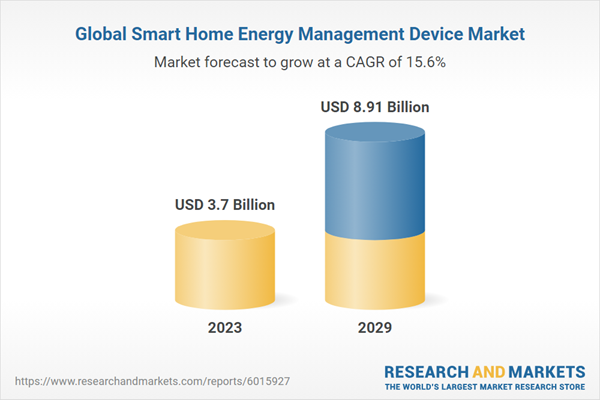
Smart Home Energy Management Devices: A Market Poised for Growth

The Global Smart Home Energy Management Device Market is on the brink of a significant transformation, driven by escalating demands for energy-efficient solutions and the increasing adoption of smart home technologies.