Portland’s Commercial Real Estate Market Faces a Historic $2 Billion Collapse
In a dramatic shift few could have imagined before 2020, Portland’s 20 largest office buildings have collectively lost nearly $2 billion in market value since 2019. According to records obtained by KATU from Multnomah County, the combined valuation of these properties plunged from $3 billion to just $986 million—an astonishing 70% drop.
The implications of this collapse reach far beyond property owners. As the commercial market continues its freefall, the consequences are rippling through city budgets, school districts, and essential local services across Multnomah County.
A Market Reset No One Saw Coming
County economist Jeff Renfro summarized the shock: “Without the pandemic, I’m not sure we would have thought these types of adjustments were even really possible.”
This recalibration has translated into major losses in taxable value. The assessed values of the same 20 office buildings dropped from $1.2 billion in 2019 to $890 million today—costing local governments millions in annual property tax revenue. Buildings such as Fox Tower, Montgomery Park, Standard Insurance, and PacWest alone saw $170 million vanish from tax rolls.
The downturn is fueling an unprecedented wave of property tax appeals. In 2023, 313 property owners filed appeals in the initial process. In 2024, the number jumped to 422, and in the current tax year it has surged to 529—with expectations it may exceed 1,000 as cases progress.
These appeals often take years to resolve and have already cost Multnomah County governments more than $30 million in refunds over 2023 and 2024. Meanwhile, neighboring counties like Washington and Clackamas are seeing far fewer appeals and significantly smaller losses.
Budget Cuts, Shrinking Revenue, and a Slow Recovery
The combination of inflation-driven costs and sluggish tax revenue has left local governments with difficult choices. Portland faces a projected $67 million gap this summer, while Portland Public Schools anticipates a $50 million shortfall.
Renfro warns that recovery may take longer than expected. Initial forecasts predicted 2026 as the bottom of the decline, but after major sales like Big Pink and PacWest, analysts now expect values to fall further into fiscal year 2027.
Many local leaders point to the state’s property tax structure—specifically Measures 5 and 50 from the 1990s—which cap taxable growth and limit government revenue. Critics argue that while intended to protect taxpayers, these constraints now prevent governments from keeping up with rising operational costs.
The League of Oregon Cities has been pushing for a discussion about modernizing the system, though any reform would require voter approval. Meanwhile, Measure 50’s author Bill Sizemore maintains that governments should look internally before asking residents to pay more.
What This Means for Real Estate Professionals
For those working in real estate, finance, or public policy, Portland’s situation is a powerful reminder of how economic cycles, public policy, and market behavior collide. These insights underscore the importance of staying informed and educated—something we emphasize deeply at Cameron Academy.
Whether you’re entering real estate, expanding your expertise, or navigating licensing in any professional field, understanding market dynamics like these equips you to lead with confidence in any economy.
For more industry‑shaping stories and career‑boosting education, visit Cameron Academy to elevate your professional path.
More Articles
Getting licensed or staying ahead in your career can be a journey—but it doesn’t have to be overwhelming. Grab your favorite coffee or tea, take a moment to relax, and browse through our articles. Whether you’re just starting out or renewing your expertise, we’ve got tips, insights, and advice to keep you moving forward. Here’s to your success—one sip and one step at a time!
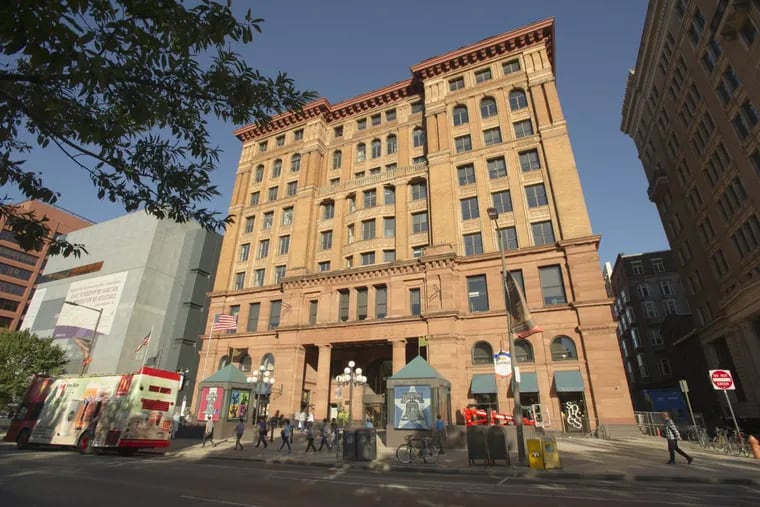
This summer marked a significant shift in Philadelphia's Center City office market, as the long-standing effects of the COVID-19 pandemic and the rise of remote work began to thaw. Between June and August, five major office buildings changed hands, albeit for prices significantly lower than their previous valuations. This shift reflects the broader challenges facing commercial real estate in the era of hybrid work.
In the ever-evolving landscape of real estate investment, the southern United States has emerged as a beacon of opportunity. A recent report from RealEstateNews.com highlights Florida, North Carolina, and Texas as the leading markets for investors seeking growth and stability.
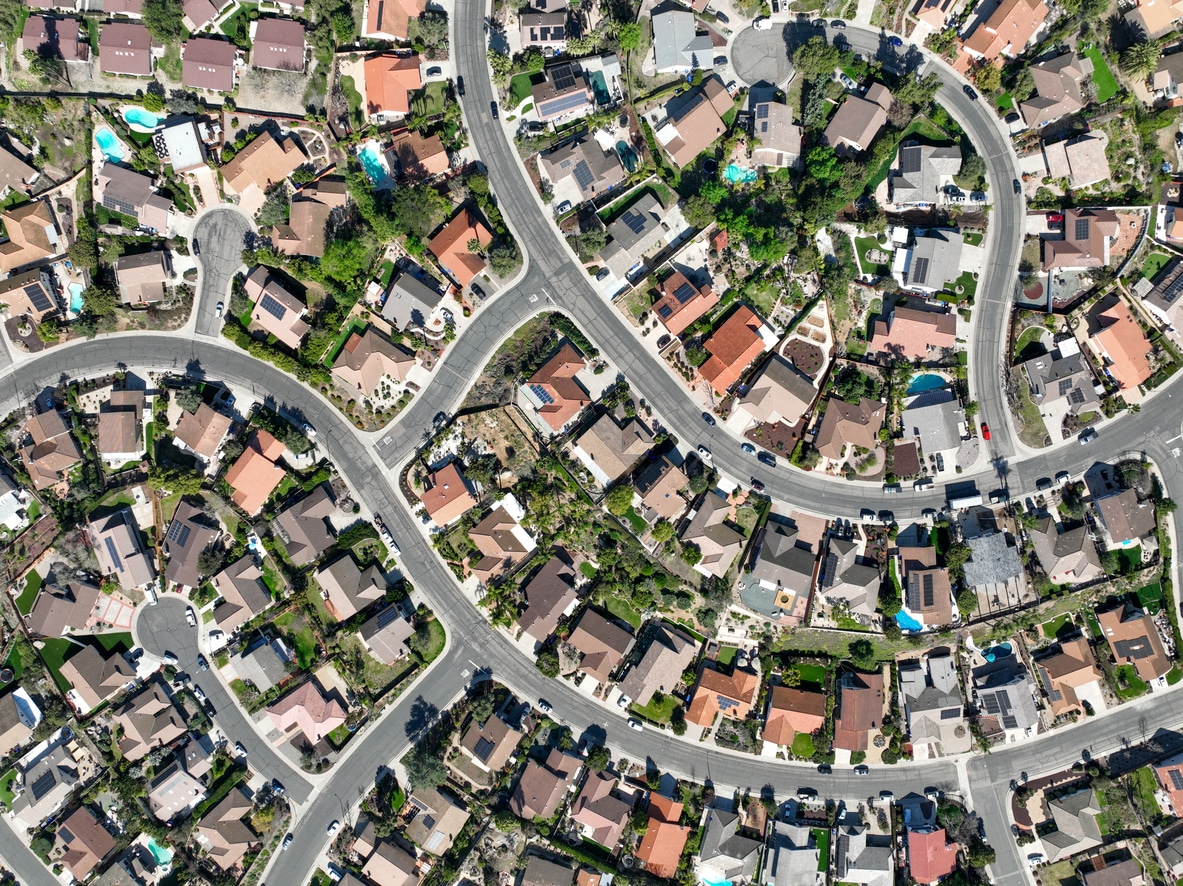
In California's ongoing housing crisis, only 24 affordable units exist for every 100 extremely low-income households, highlighting a dire need for innovative solutions.
In a recent analysis by ATTOM, the housing markets of California, New Jersey, and Illinois have been spotlighted for their susceptibility to downturns. Despite a generally robust national market, these states exhibit significant vulnerabilities, particularly in the metropolitan areas of New York City and Chicago.
As the virtual world continues to expand, the metaverse has emerged as a transformative force in the real estate industry, offering a unique opportunity to diversify investments and acquire new skills.