Portland’s Commercial Real Estate Market Faces a Historic $2 Billion Collapse
In a dramatic shift few could have imagined before 2020, Portland’s 20 largest office buildings have collectively lost nearly $2 billion in market value since 2019. According to records obtained by KATU from Multnomah County, the combined valuation of these properties plunged from $3 billion to just $986 million—an astonishing 70% drop.
The implications of this collapse reach far beyond property owners. As the commercial market continues its freefall, the consequences are rippling through city budgets, school districts, and essential local services across Multnomah County.
A Market Reset No One Saw Coming
County economist Jeff Renfro summarized the shock: “Without the pandemic, I’m not sure we would have thought these types of adjustments were even really possible.”
This recalibration has translated into major losses in taxable value. The assessed values of the same 20 office buildings dropped from $1.2 billion in 2019 to $890 million today—costing local governments millions in annual property tax revenue. Buildings such as Fox Tower, Montgomery Park, Standard Insurance, and PacWest alone saw $170 million vanish from tax rolls.
The downturn is fueling an unprecedented wave of property tax appeals. In 2023, 313 property owners filed appeals in the initial process. In 2024, the number jumped to 422, and in the current tax year it has surged to 529—with expectations it may exceed 1,000 as cases progress.
These appeals often take years to resolve and have already cost Multnomah County governments more than $30 million in refunds over 2023 and 2024. Meanwhile, neighboring counties like Washington and Clackamas are seeing far fewer appeals and significantly smaller losses.
Budget Cuts, Shrinking Revenue, and a Slow Recovery
The combination of inflation-driven costs and sluggish tax revenue has left local governments with difficult choices. Portland faces a projected $67 million gap this summer, while Portland Public Schools anticipates a $50 million shortfall.
Renfro warns that recovery may take longer than expected. Initial forecasts predicted 2026 as the bottom of the decline, but after major sales like Big Pink and PacWest, analysts now expect values to fall further into fiscal year 2027.
Many local leaders point to the state’s property tax structure—specifically Measures 5 and 50 from the 1990s—which cap taxable growth and limit government revenue. Critics argue that while intended to protect taxpayers, these constraints now prevent governments from keeping up with rising operational costs.
The League of Oregon Cities has been pushing for a discussion about modernizing the system, though any reform would require voter approval. Meanwhile, Measure 50’s author Bill Sizemore maintains that governments should look internally before asking residents to pay more.
What This Means for Real Estate Professionals
For those working in real estate, finance, or public policy, Portland’s situation is a powerful reminder of how economic cycles, public policy, and market behavior collide. These insights underscore the importance of staying informed and educated—something we emphasize deeply at Cameron Academy.
Whether you’re entering real estate, expanding your expertise, or navigating licensing in any professional field, understanding market dynamics like these equips you to lead with confidence in any economy.
For more industry‑shaping stories and career‑boosting education, visit Cameron Academy to elevate your professional path.
More Articles
Getting licensed or staying ahead in your career can be a journey—but it doesn’t have to be overwhelming. Grab your favorite coffee or tea, take a moment to relax, and browse through our articles. Whether you’re just starting out or renewing your expertise, we’ve got tips, insights, and advice to keep you moving forward. Here’s to your success—one sip and one step at a time!
Los Alamitos Race Course is facing its most serious crisis in years after 18 horses died in 2025, prompting regulators to warn the track that its racing license is at risk without immediate safety reforms. Following three catastrophic injuries in a single day, the California Horse Racing Board has ordered urgent changes—including more veterinarians, stricter medication rules, and enhanced on‑track medical support—as pressure mounts for stronger oversight in a sport already under national scrutiny.
Canadian investors have poured more than US$5.8 billion into U.S. commercial real estate this year, making the U.S. their top destination even amid a lingering tariff dispute. Tight inventory in Canada and greater deal availability south of the border are driving the trend, with data centers and industrial properties emerging as the hottest targets for 2025.
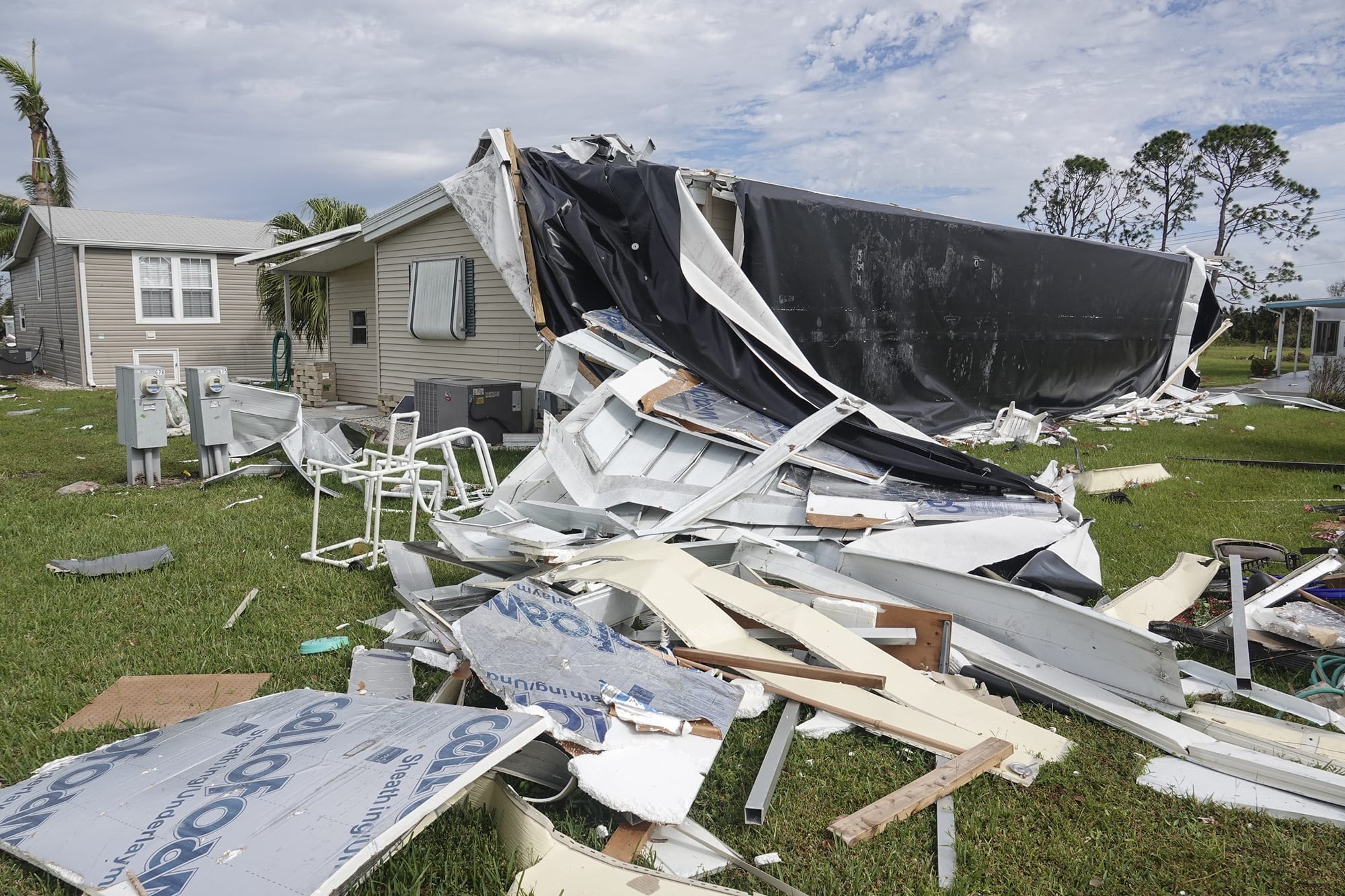
Florida’s insurance commissioner says even industry pros struggle to read today’s 150‑page homeowners policies—leaving residents shocked when hurricane claims are denied. With rising premiums, high replacement costs, and widespread confusion over exclusions like flood and water damage, the state is pushing for simpler, clearer policy language so homeowners know what they’re actually covered for before the next storm hits.
Following the 2025 elections, major metros like New York, Chicago, Miami, Los Angeles, and Boston are implementing policy shifts that could reshape property values, rental income, development timelines, and investment strategy heading into 2026. From New York’s push toward aggressive rent reform to Chicago’s sustainability mandates and Miami’s uncertain mayoral runoff, these changes signal a new era where local politics increasingly dictate market performance. This breakdown highlights the biggest post‑election real estate pivots and what they mean for investors, agents, and finance professionals preparing for a rapidly evolving landscape.
Florida’s Insurance Commissioner is sounding the alarm after thousands of homeowners discovered—only after hurricanes Helene and Milton—that the coverage they thought they had didn’t exist. With nearly 150,000 unpaid claims tied to misunderstood flood exclusions, water‑damage caps, and buried policy clauses, state leaders are pushing to simplify the dense, confusing documents most Floridians never read. As insurance costs remain one of the state’s top concerns, this growing complexity is creating a massive opportunity for real estate, mortgage, and insurance professionals to guide consumers before disaster strikes.
Florida’s insurance market is reliving an old crisis under a new name. Despite reforms meant to stabilize the system, homeowners are being forced out of Citizens and into pricier policies from small insurers with shaky financial histories. Companies tied to past insolvencies are returning with fresh branding, while highly rated carriers continue to deny a majority of claims. With political influence muddying regulation and climate risks rising, experts warn that only a full structural overhaul—not cosmetic reforms—can restore confidence for homeowners, agents, and the entire real estate market.