Post-Election Power Plays: How America’s Biggest Cities Are Quietly Reshaping Real Estate
When the polls closed on November 4th, 2025, the headlines focused on winners and losers — but behind the political spotlight, a quieter transformation began rippling through the real estate world. Elections in power-player metros like New York, Los Angeles, Chicago, Boston, and Miami didn’t just rearrange city hall; they set a brand‑new blueprint for development, returns, and investment strategy heading into 2026.
CBIZ recently unveiled a sharp breakdown of these post-election shifts, and the insights read like a forward-looking roadmap for investors and industry professionals. The full analysis at
CBIZ Insights is absolutely worth a deep dive.
For real estate, mortgage, and finance professionals — especially those sharpening their expertise through Cameron Academy — this isn’t just news; it’s strategy fuel. These policy waves are shaping where opportunity flows next.
New York City: Rent Reform Takes the Spotlight
With Zohran Mamdani taking the helm as mayor, NYC is gearing toward a far more tenant‑focused policy climate. Proposed rent freezes and expanded inclusionary zoning are poised to apply downward pressure on rental income while increasing compliance and operational oversight.
Strategic Takeaways:
Run rent-freeze stress tests to preserve cash flow stability.
Balance regulated and market‑rate units for risk control.
Adjust underwriting assumptions around rent growth.
Track city council negotiations closely.
Collaborate with coalitions influencing policy outcomes.
Chicago: A Steady Hand on Sustainability and Housing
Chicago continues tightening focus on sustainability and affordability. The new Green Social Housing Ordinance is shaping development trends, while relief from a proposed $300 million tax increase buys investors some time — though long‑term valuation pressures remain very real.
Strategic Takeaways:
Use conservative NOI and tax projections.
Diversify between affordable and market‑rate assets.
Pursue incentives for green retrofits and energy-saving programs.
Engage in advocacy efforts that support investor stability.
Miami & South Florida: A Political Reset with Room for Optimism
Miami’s runoff between Eileen Higgins and Emilio González has created a temporary pause in development momentum. Higgins is advocating for streamlined permitting and expanded affordability — promising, but still uncertain until leadership solidifies.
Strategic Takeaways:
Delay major commitments until runoff outcomes finalize.
Maintain flexible project structuring.
Use joint ventures to hedge political transition risk.
Watch for short-term administrative shifts.
Participate actively in public consultations.
Boston: Slow and Steady Zoning Reform
Under Mayor Michelle Wu, Boston continues its intentional — but steady — expansion of zoning access and affordable housing pathways. Voices like Josh Kraft underline the city’s mission to support working families, potentially stabilizing rents while compressing growth opportunities in high-end market-rate segments.
Strategic Takeaways:
Capitalize on zoning revisions for redevelopment plays.
Engage early in community planning rounds.
Keep portfolios balanced across asset classes.
Monitor linkage fees and compliance costs.
Watch for emerging affordable housing incentives.
A Market in Motion: What 2026 May Bring
The 2025 election cycle sent an unmistakable signal: housing policy is now market policy. Affordable housing mandates, sustainability requirements, and development oversight are actively shaping investment conditions — and the market is adjusting fast.
Though some changes may compress short‑term returns, they’re enabling new opportunities for adaptive reuse, public‑private partnerships, and resilient redevelopment strategy.
For professionals building their future in real estate — from budding investors to seasoned agents to future licensees — staying informed isn’t optional. It’s strategic. And it’s exactly why Cameron Academy places such heavy emphasis on policy literacy, market cycles, and regulatory foresight.
To explore the full analysis from CBIZ, visit
CBIZ Insights.
More Articles
Getting licensed or staying ahead in your career can be a journey—but it doesn’t have to be overwhelming. Grab your favorite coffee or tea, take a moment to relax, and browse through our articles. Whether you’re just starting out or renewing your expertise, we’ve got tips, insights, and advice to keep you moving forward. Here’s to your success—one sip and one step at a time!
Despite billions poured into proptech and a decade of flashy digital upgrades, the real estate experience remains largely unchanged. Apps made processes smoother, but not more transparent — because the industry’s core structures, data control and power dynamics stayed the same. True disruption will come from platforms that shift information and control to consumers, not just digitize outdated systems.
Early 2026 is delivering a clear message: commercial real estate is entering a recalibration phase. Construction is softening, pending home sales just saw a sharp drop, consumer sentiment is inching upward but remains fragile, and capital markets are tightening as major CRE sectors face rising distress. From data centers powering ahead to CMBS foreclosures climbing and office-to-residential conversions gaining momentum, professionals across real estate, mortgage, insurance, and finance need to stay sharp as the industry shifts.
Discover the real estate roles earning the biggest paychecks in 2026. From investment consultants to commercial leasing managers, this breakdown highlights the salaries, responsibilities, and career paths offering the strongest financial potential in today’s evolving market—perfect for newcomers and seasoned professionals mapping their next big move.
Montana is taking major steps to remove outdated licensing barriers and strengthen its workforce. Governor Greg Gianforte has created a new Licensing Reform Task Force aimed at modernizing regulations, speeding up approvals, and helping more professionals enter high‑demand fields like construction and healthcare. With licensing numbers doubling over the past decade and rural communities facing critical shortages, the state is pushing for faster, more efficient pathways to work. The task force begins meeting in February and will deliver its full reform report by September 2026 — a move that could influence licensing modernization efforts nationwide.
Artificial intelligence has officially moved from novelty to necessity in the real estate world. According to new industry data, 97% of brokerage leaders say their agents now rely on AI tools for everything from listing descriptions to full-scale marketing campaigns. As adoption skyrockets, so do concerns over training, accuracy, and compliance — especially among smaller firms. The message is clear: for today’s real estate professionals, AI literacy isn’t optional anymore.
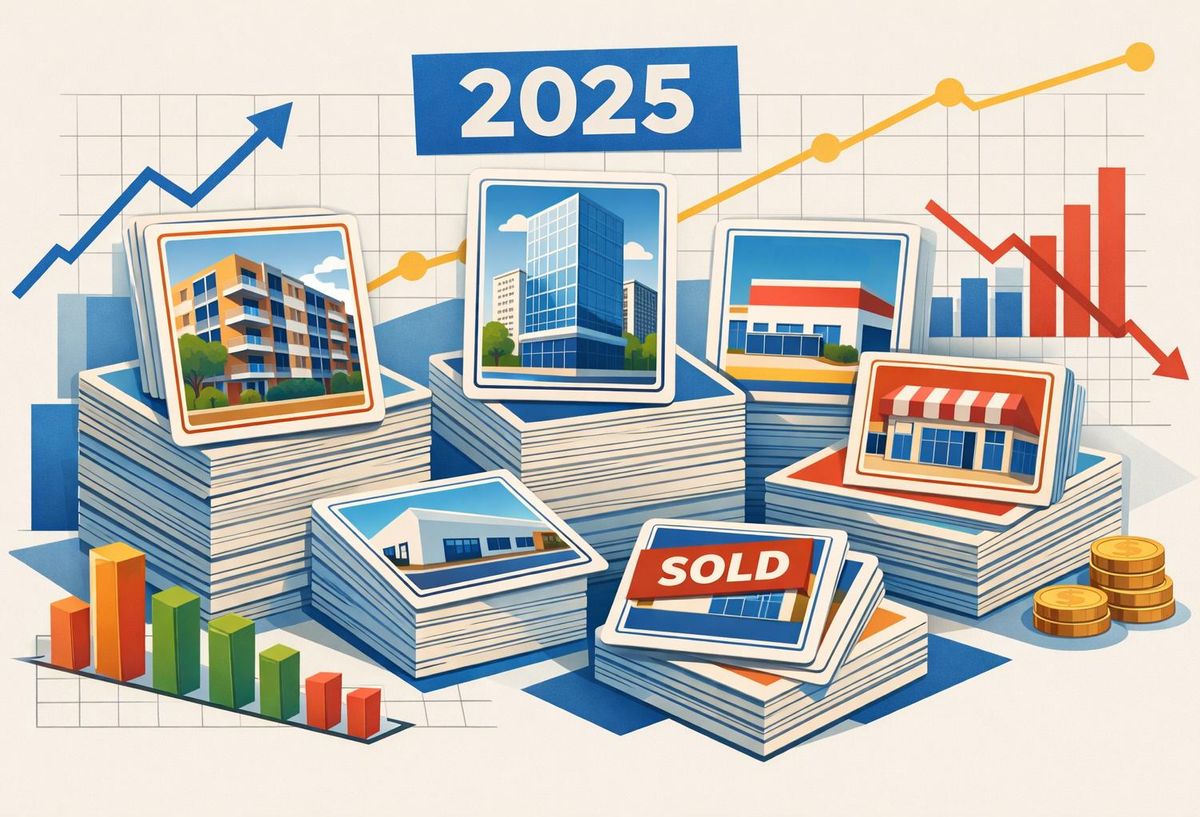
Commercial real estate roared back to life in 2025, with more than $255B pouring into multifamily, industrial, office and retail assets. Major investors moved fast on falling interest rates, improving bond yields and rising confidence across sectors. Multifamily dominated with over $115B in deals, industrial surged under private equity leadership, office saw renewed activity from owner-users and retail proved surprisingly resilient. For today’s real estate and finance professionals, the message is clear: opportunity favors those who stay informed and ready to act.