Post-Election Power Plays: How America’s Biggest Cities Are Quietly Reshaping Real Estate
When the polls closed on November 4th, 2025, the headlines focused on winners and losers — but behind the political spotlight, a quieter transformation began rippling through the real estate world. Elections in power-player metros like New York, Los Angeles, Chicago, Boston, and Miami didn’t just rearrange city hall; they set a brand‑new blueprint for development, returns, and investment strategy heading into 2026.
CBIZ recently unveiled a sharp breakdown of these post-election shifts, and the insights read like a forward-looking roadmap for investors and industry professionals. The full analysis at
CBIZ Insights is absolutely worth a deep dive.
For real estate, mortgage, and finance professionals — especially those sharpening their expertise through Cameron Academy — this isn’t just news; it’s strategy fuel. These policy waves are shaping where opportunity flows next.
New York City: Rent Reform Takes the Spotlight
With Zohran Mamdani taking the helm as mayor, NYC is gearing toward a far more tenant‑focused policy climate. Proposed rent freezes and expanded inclusionary zoning are poised to apply downward pressure on rental income while increasing compliance and operational oversight.
Strategic Takeaways:
Run rent-freeze stress tests to preserve cash flow stability.
Balance regulated and market‑rate units for risk control.
Adjust underwriting assumptions around rent growth.
Track city council negotiations closely.
Collaborate with coalitions influencing policy outcomes.
Chicago: A Steady Hand on Sustainability and Housing
Chicago continues tightening focus on sustainability and affordability. The new Green Social Housing Ordinance is shaping development trends, while relief from a proposed $300 million tax increase buys investors some time — though long‑term valuation pressures remain very real.
Strategic Takeaways:
Use conservative NOI and tax projections.
Diversify between affordable and market‑rate assets.
Pursue incentives for green retrofits and energy-saving programs.
Engage in advocacy efforts that support investor stability.
Miami & South Florida: A Political Reset with Room for Optimism
Miami’s runoff between Eileen Higgins and Emilio González has created a temporary pause in development momentum. Higgins is advocating for streamlined permitting and expanded affordability — promising, but still uncertain until leadership solidifies.
Strategic Takeaways:
Delay major commitments until runoff outcomes finalize.
Maintain flexible project structuring.
Use joint ventures to hedge political transition risk.
Watch for short-term administrative shifts.
Participate actively in public consultations.
Boston: Slow and Steady Zoning Reform
Under Mayor Michelle Wu, Boston continues its intentional — but steady — expansion of zoning access and affordable housing pathways. Voices like Josh Kraft underline the city’s mission to support working families, potentially stabilizing rents while compressing growth opportunities in high-end market-rate segments.
Strategic Takeaways:
Capitalize on zoning revisions for redevelopment plays.
Engage early in community planning rounds.
Keep portfolios balanced across asset classes.
Monitor linkage fees and compliance costs.
Watch for emerging affordable housing incentives.
A Market in Motion: What 2026 May Bring
The 2025 election cycle sent an unmistakable signal: housing policy is now market policy. Affordable housing mandates, sustainability requirements, and development oversight are actively shaping investment conditions — and the market is adjusting fast.
Though some changes may compress short‑term returns, they’re enabling new opportunities for adaptive reuse, public‑private partnerships, and resilient redevelopment strategy.
For professionals building their future in real estate — from budding investors to seasoned agents to future licensees — staying informed isn’t optional. It’s strategic. And it’s exactly why Cameron Academy places such heavy emphasis on policy literacy, market cycles, and regulatory foresight.
To explore the full analysis from CBIZ, visit
CBIZ Insights.
More Articles
Getting licensed or staying ahead in your career can be a journey—but it doesn’t have to be overwhelming. Grab your favorite coffee or tea, take a moment to relax, and browse through our articles. Whether you’re just starting out or renewing your expertise, we’ve got tips, insights, and advice to keep you moving forward. Here’s to your success—one sip and one step at a time!
The title insurance industry is entering 2026 with a renewed focus on technology, operational efficiency, and stronger agent support after years of volatility. Leaders from major underwriters report rising transaction activity, improved affordability, and a surge in automation and fraud‑prevention tools—signs that smarter systems and better training will define the next wave of growth.
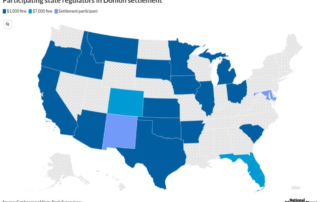
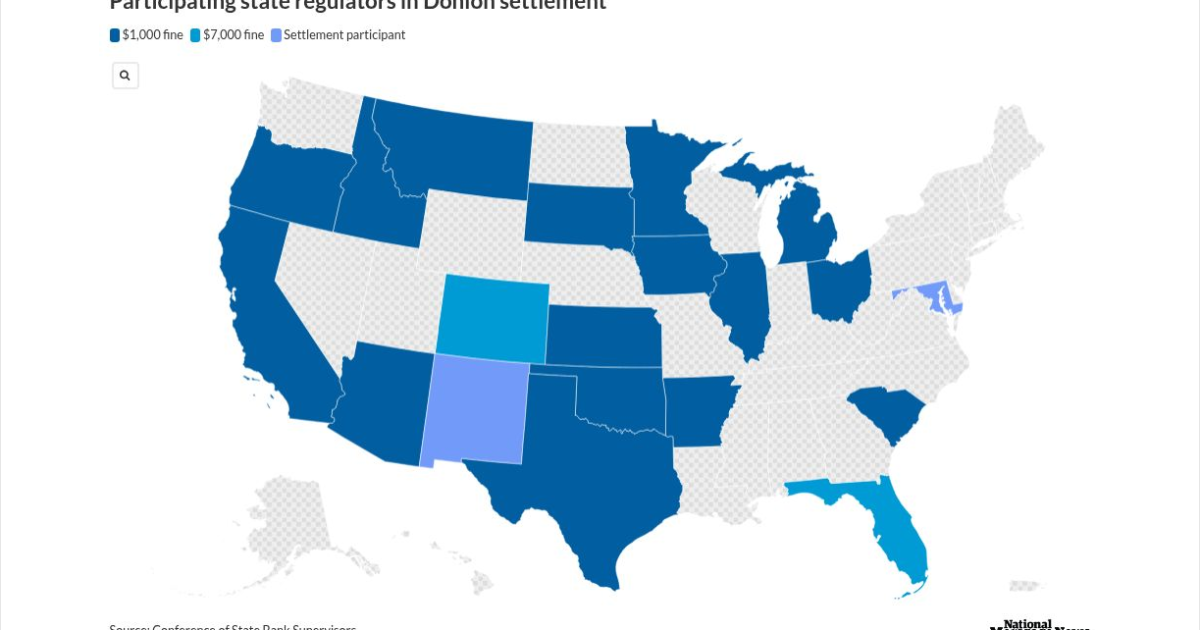
A multistate crackdown has sent shockwaves through the mortgage industry as Patrick Terrance Donlon, CEO of Trusted American Mortgage, accepted a sweeping settlement that bans him from working as a mortgage loan originator in 21 states—19 of them permanently. Regulators say Donlon had another individual complete his mandatory licensing and continuing‑education courses, a violation that triggered a coordinated investigation and a $31,000 penalty. The case underscores regulators’ growing intolerance for education fraud and serves as a sharp reminder to industry professionals: cutting corners on licensing can end careers.
Florida’s once‑booming housing market is cooling fast as rising insurance premiums, increasing foreclosures, and expanding flood zones push buyers to back out of deals and force sellers to cut prices. With insurance now adding thousands to annual housing costs, professionals across real estate, mortgage, and insurance are navigating a dramatically shifting landscape that’s redefining affordability in the Sunshine State.
Florida begins 2026 with a wave of more than 250 new laws now in effect, impacting healthcare, insurance, real estate, and consumer protections statewide. From free breast cancer screenings for state employees to tighter pet insurance regulations, mandatory healthcare refund rules, enhanced animal‑cruelty penalties, and new condo‑management requirements, these updates carry major implications for professionals navigating Florida’s evolving regulatory landscape.
Florida’s barrier islands may offer postcard-perfect beaches and soaring real estate demand, but they’re also some of the most fragile and costly places to build in the United States. With 765,000 residents living on land that shifts, sinks, and takes the brunt of every major hurricane, the financial and insurance risks are accelerating fast. From billion‑dollar beach rebuilds to towers settling into the sand, today’s coastal development challenges are reshaping conversations around property values, disclosure, and long‑term resilience. For real estate professionals, understanding these risks isn’t just smart — it’s becoming essential.
A Cedar City development is turning heads with its fresh approach to affordability. The team behind Temple View Commons is delivering luxury‑inspired twin homes at prices below the local median by using a small, hands‑on staff and cutting traditional costs like realtor commissions. In a tight Utah housing market where inventory is scarce and prices remain high, their strategy offers a realistic path to homeownership without sacrificing high‑end finishes.


 Title Insurance Leaders Double Down on Tech and Efficiency to Drive 2026 Market Momentum Gallery