Post-Election Power Plays: How America’s Biggest Cities Are Quietly Reshaping Real Estate
When the polls closed on November 4th, 2025, the headlines focused on winners and losers — but behind the political spotlight, a quieter transformation began rippling through the real estate world. Elections in power-player metros like New York, Los Angeles, Chicago, Boston, and Miami didn’t just rearrange city hall; they set a brand‑new blueprint for development, returns, and investment strategy heading into 2026.
CBIZ recently unveiled a sharp breakdown of these post-election shifts, and the insights read like a forward-looking roadmap for investors and industry professionals. The full analysis at
CBIZ Insights is absolutely worth a deep dive.
For real estate, mortgage, and finance professionals — especially those sharpening their expertise through Cameron Academy — this isn’t just news; it’s strategy fuel. These policy waves are shaping where opportunity flows next.
New York City: Rent Reform Takes the Spotlight
With Zohran Mamdani taking the helm as mayor, NYC is gearing toward a far more tenant‑focused policy climate. Proposed rent freezes and expanded inclusionary zoning are poised to apply downward pressure on rental income while increasing compliance and operational oversight.
Strategic Takeaways:
Run rent-freeze stress tests to preserve cash flow stability.
Balance regulated and market‑rate units for risk control.
Adjust underwriting assumptions around rent growth.
Track city council negotiations closely.
Collaborate with coalitions influencing policy outcomes.
Chicago: A Steady Hand on Sustainability and Housing
Chicago continues tightening focus on sustainability and affordability. The new Green Social Housing Ordinance is shaping development trends, while relief from a proposed $300 million tax increase buys investors some time — though long‑term valuation pressures remain very real.
Strategic Takeaways:
Use conservative NOI and tax projections.
Diversify between affordable and market‑rate assets.
Pursue incentives for green retrofits and energy-saving programs.
Engage in advocacy efforts that support investor stability.
Miami & South Florida: A Political Reset with Room for Optimism
Miami’s runoff between Eileen Higgins and Emilio González has created a temporary pause in development momentum. Higgins is advocating for streamlined permitting and expanded affordability — promising, but still uncertain until leadership solidifies.
Strategic Takeaways:
Delay major commitments until runoff outcomes finalize.
Maintain flexible project structuring.
Use joint ventures to hedge political transition risk.
Watch for short-term administrative shifts.
Participate actively in public consultations.
Boston: Slow and Steady Zoning Reform
Under Mayor Michelle Wu, Boston continues its intentional — but steady — expansion of zoning access and affordable housing pathways. Voices like Josh Kraft underline the city’s mission to support working families, potentially stabilizing rents while compressing growth opportunities in high-end market-rate segments.
Strategic Takeaways:
Capitalize on zoning revisions for redevelopment plays.
Engage early in community planning rounds.
Keep portfolios balanced across asset classes.
Monitor linkage fees and compliance costs.
Watch for emerging affordable housing incentives.
A Market in Motion: What 2026 May Bring
The 2025 election cycle sent an unmistakable signal: housing policy is now market policy. Affordable housing mandates, sustainability requirements, and development oversight are actively shaping investment conditions — and the market is adjusting fast.
Though some changes may compress short‑term returns, they’re enabling new opportunities for adaptive reuse, public‑private partnerships, and resilient redevelopment strategy.
For professionals building their future in real estate — from budding investors to seasoned agents to future licensees — staying informed isn’t optional. It’s strategic. And it’s exactly why Cameron Academy places such heavy emphasis on policy literacy, market cycles, and regulatory foresight.
To explore the full analysis from CBIZ, visit
CBIZ Insights.
More Articles
Getting licensed or staying ahead in your career can be a journey—but it doesn’t have to be overwhelming. Grab your favorite coffee or tea, take a moment to relax, and browse through our articles. Whether you’re just starting out or renewing your expertise, we’ve got tips, insights, and advice to keep you moving forward. Here’s to your success—one sip and one step at a time!
Florida families are feeling the squeeze as everyday costs, insurance premiums, and homeownership barriers continue to climb. House District 102 candidate Jayden D’Onofrio is calling for a broader, more unified affordability strategy—one that tackles the state’s insurance crisis, supports first‑time homebuyers, and restores real competition in the market. His message centers on transparency, practical solutions, and keeping Florida livable for the professionals, workers, and families who power its economy.
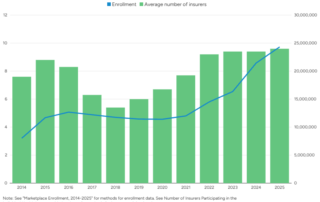
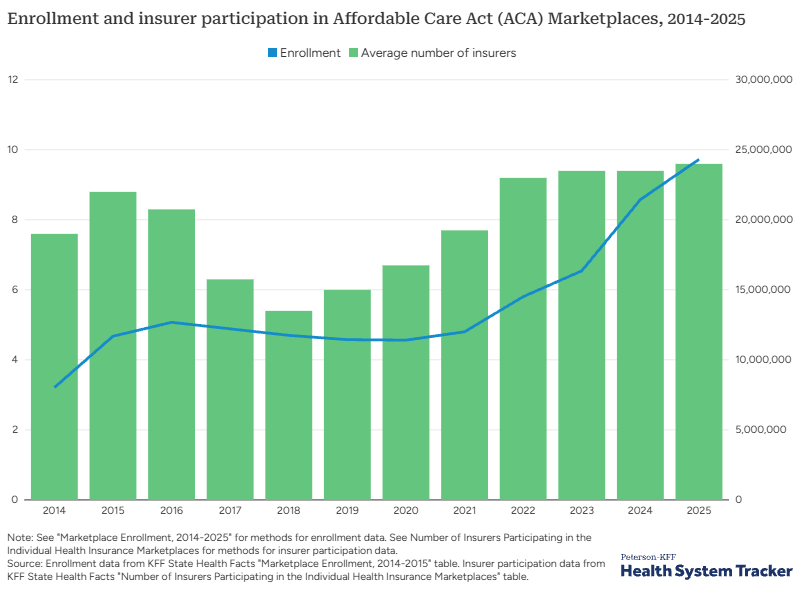
A decade of dramatic change is reshaping America’s health insurance markets. Employer group plans are becoming increasingly dominated by a few powerful insurers, while the ACA individual marketplace is experiencing record‑breaking competition and enrollment. Self‑funded plans are surging, small‑group premiums are driving employers to new coverage models, and major policy shifts in 2025 could redefine affordability for millions. This data‑driven Peterson‑KFF analysis breaks down the trends every insurance, finance, and business professional needs to understand as the industry enters a transformative new era.
Sarasota County is inching closer to approving Winchester Ranch, a massive 8,999‑home community planned for more than 3,100 acres in North Port. With a 7‑1 vote from the Planning Commission and a final decision expected in early 2026, the project could become one of Southwest Florida’s largest developments in decades—bringing new housing, commercial space, and industry while raising fresh questions about growth, the environment, and the region’s rapidly evolving real estate market.
Lument Finance Trust has closed a major $663.8 million commercial real estate CLO, marking one of the standout CRE finance deals of 2025. The transaction, LMNT 2025-FL3, features a strong reinvestment period, non‑recourse and non‑mark‑to‑market financing, and a diversified pool of 32 loans tied to 49 properties nationwide. With J.P. Morgan leading the structuring and more than $585 million placed in investment‑grade securities, the deal highlights renewed stability in transitional CRE debt—making it a development real estate and finance professionals will want to watch closely.
Walmart has partnered with Alquist 3D to roll out the nation’s first large‑scale wave of 3D‑printed commercial buildings, signaling a major shift in how future retail and industrial spaces will be constructed. After completing an 8,000‑square‑foot 3D‑printed expansion in Tennessee—the largest of its kind—the company is moving forward with over a dozen new projects nationwide, accelerating a tech‑driven transformation in commercial real estate.
Citizens Property Insurance Corp. is recommending statewide rate reductions for 2026—the first proposed decrease in more than a decade. Most Citizens policyholders could see an average 11.5% drop, reflecting recent insurance‑market reforms that have stabilized Florida’s turbulent property sector. With hundreds of thousands of policies moving back to private insurers and state‑backed Citizens shrinking to record‑low enrollment, real estate and insurance professionals should prepare for how lower premiums may influence affordability, buyer confidence, and market activity heading into 2026.