The Multifamily Market: A Forecast for Catastrophic Declines by the End of 2024
Introduction
The multifamily market has long been considered a lucrative investment opportunity for many real estate investors. However, recent trends and market indicators suggest that the industry could potentially experience significant declines by the end of 2024. In this article, we will explore the factors contributing to this forecast and educate the public on the potential risks involved in multifamily investments.
The State of the Multifamily Market
The multifamily market has been thriving in recent years, with increasing demand for rental properties due to changing demographics, lifestyle preferences, and economic conditions. Low-interest rates, urbanization, and a growing population of renters have contributed to the sector’s success. However, as with any investment, there are always risks involved.
Understanding the Market Trends
While multifamily investments have seen considerable growth in recent times, several trends indicate that the sector may be heading towards a decline. It is important for potential investors to understand these trends and make informed decisions.
1. Market Saturation
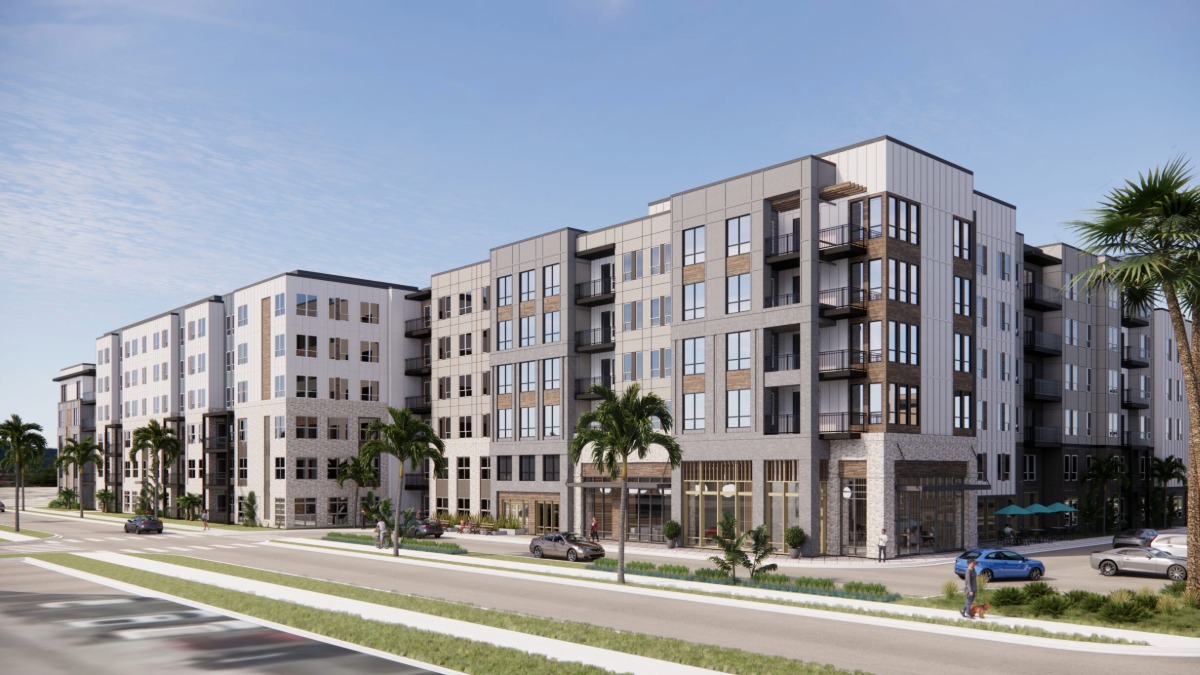
One key factor contributing to the potential decline in the multifamily market is market saturation. Over the past few years, developers have flooded the market with new apartment complexes and rental units. This excessive supply has outpaced the demand in some areas, leading to increased competition and lower rental rates. As more rental properties become available, the market becomes saturated, making it challenging for investors to fill vacancies or achieve desired rental income.
2. Economic Uncertainty
Another significant factor affecting the multifamily market is economic uncertainty. Economic downturns or recessions can have a detrimental impact on the rental market. During challenging economic times, individuals may struggle to afford rental payments, leading to a rise in eviction rates and increased vacancies for property owners. Economic uncertainty, particularly in light of recent events such as the COVID-19 pandemic, can significantly impact the stability and profitability of multifamily investments.
3. Changing Lifestyle Preferences
Shifts in lifestyle preferences among renters are also influencing the multifamily market. Millennial renters, for example, are increasingly prioritizing flexibility and mobility over long-term commitments. The rise of remote work and digital nomadism has also impacted the demand for rental properties. As preferences evolve, there is a growing demand for alternative housing options such as co-living spaces or short-term rentals, which may divert attention and potential revenue from traditional multifamily properties.
The Dangers of Multifamily Investing
1. Potential Oversupply
Investing in a saturated market can lead to decreased occupancy rates and lower rental income. Property owners may struggle to find tenants or achieve competitive rental rates, ultimately impacting their return on investment. Oversupply of rental properties can lead to prolonged vacancies, increased maintenance costs, and difficulty in attracting qualified tenants.
2. Economic Volatility
The multifamily market is susceptible to economic volatility, as evidenced by the recent global economic downturn caused by the COVID-19 pandemic. During times of economic uncertainty, rental rates may decline, and evictions may rise, putting significant strain on property owners. This volatility exposes investors to potential financial losses and challenges in securing steady rental income.
3. Shifts in Tenant Demand
Changing tenant demands and preferences pose a risk to multifamily investors. Traditional long-term leases may become less desirable as renters gravitate towards more flexible short-term rental options or co-living spaces. Adapting to these changing demands may require additional investments or modifications to the property, which can be costly and time-consuming.
Conclusion
While the multifamily market has shown robust growth in recent years, it is essential for potential investors to be aware of the potential risks and challenges lying ahead. Market saturation, economic uncertainty, and changing lifestyle preferences among renters are all factors that contribute to the forecasted decline in the multifamily market by the end of 2024.
It is crucial to thoroughly research and analyze market conditions, assess the demand and supply dynamics, and evaluate potential risks before making any investment decisions. Seeking advice from real estate professionals and financial advisors can also provide valuable insights and guidance in navigating the multifamily market.
Remember, knowledge and informed decision-making are key to successful investments in any real estate sector. Stay vigilant, adapt to changes, and always be prepared for potential challenges.
Get started with a license in Real Estate, Mortgage, Insurance, or Finance by visiting CameronAcademy.com.