Predictive Analytics: The New Frontier in Commercial Real Estate

As the commercial real estate sector navigates a landscape marked by economic uncertainties and technological advancements, a new player has emerged to revolutionize the game—predictive analytics. According to a recent report by JLL, AI and generative AI are among the top technologies reshaping the industry. In 2023 alone, a staggering $630 million was funneled into AI-driven proptech, underscoring its growing importance.
Understanding Predictive Analytics Predictive analytics in commercial real estate involves extracting insights from vast data sets, offering a holistic view of market trends and tenant behavior. This technology enables landlords to anticipate market movements and tenant demand, a capability previously out of reach due to the sector’s slower technological adoption.
Real-Time Data in Action The application of predictive analytics is multifaceted, allowing landlords to forecast market activity and prepare for fluctuations. For instance, data from the Leasing Prediction Outlook indicates positive growth signals in New York City and San Francisco. Real-time data aggregation is crucial, as it forms the backbone of predictive insights, helping landlords identify opportunities, manage risks, and maintain a competitive edge.

Challenges and Considerations

While predictive analytics offers significant advantages, it also requires a robust data infrastructure. Landlords must evaluate their current data sources and systems to ensure they support real-time data collection and analysis. Investing in the right tools and working with data analysts can help integrate these insights effectively, despite the initial learning curve.
AI-powered solutions, though still nascent in real estate, are essential for developing forward-looking strategies. As the industry continues to evolve, these tools will be vital for navigating the challenges posed by hybrid work models and high interest rates.
For further insights, the original article can be explored on Forbes.

More Articles

Getting licensed or staying ahead in your career can be a journey—but it doesn’t have to be overwhelming. Grab your favorite coffee or tea, take a moment to relax, and browse through our articles. Whether you’re just starting out or renewing your expertise, we’ve got tips, insights, and advice to keep you moving forward. Here’s to your success—one sip and one step at a time!

Revolutionizing Real Estate with IoT: A New Era of Smart Homes

The real estate industry is on the brink of a transformation, driven by the integration of the Internet of Things (IoT). This technological advancement is reshaping how buildings operate and enhancing tenant experiences across the globe.

New Orleans as a Beacon of Resilience: The Sixth Triennial

"This framework postulates New Orleans as already living in the future," said Patterson during the exhibition's opening. Lash added, "We want to show New Orleans as a gift and as a scout." The exhibition, featuring 51 artists across 21 venues, highlights how contemporary art can serve as an engine of coping, rather than mere recovery.

By |March 6, 2025|Categories: Art, Article, Culture|Tags: , |0 Comments

Navigating Trump’s Tax Proposals: Key Changes Ahead

As the dust settles on the recent Republican victory in the U.S. presidential election, the tax landscape is poised for significant changes with President-elect Donald Trump set to return to the White House.

By |March 6, 2025|Categories: Article, Tax Policy, U.S. Politics|Tags: , |0 Comments

Multifamily Housing Sector: Modest Growth and Market Predictions for 2025

As we step into 2025, the multifamily housing sector is projected to experience modest growth. Yardi Matrix anticipates a 1.5% increase in rents, driven by positive economic conditions and stable industry fundamentals, particularly in the Northeast and Midwest regions. However, the rent growth forecasts vary across different markets.

Renter Preferences for 2024: Insights from Industry Surveys

Recent surveys have shed light on the preferences and priorities of renters in 2024, emphasizing the dominance of digital marketing and the importance of community inclusiveness.

AI Revolutionizes the Real Estate Market

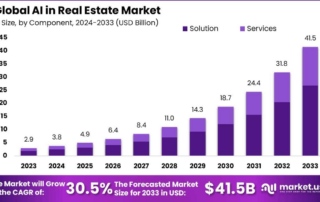
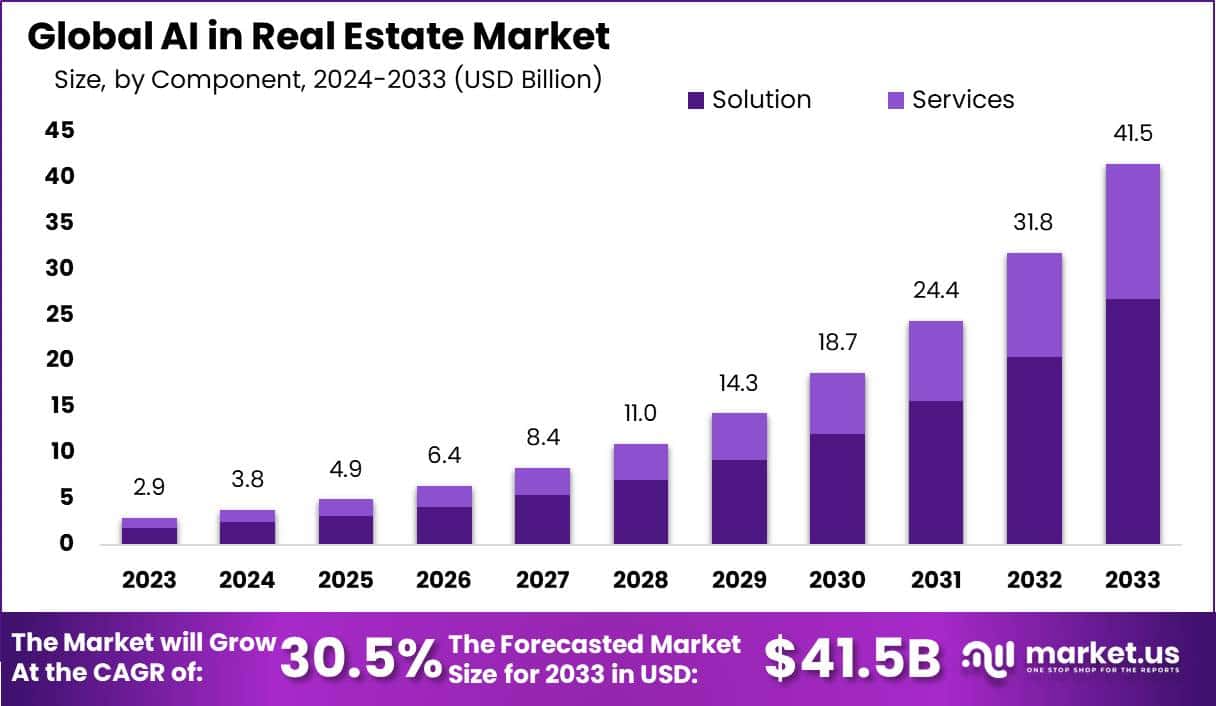
The real estate industry is on the brink of a technological transformation, with Artificial Intelligence (AI) playing a pivotal role. According to a recent report by Market.us, the AI in real estate market is projected to surge from USD 2.9 Billion in 2023 to a staggering USD 41.5 Billion by 2033, growing at an impressive CAGR of 30.5%.