Predictive Analytics: The New Frontier in Commercial Real Estate

As the commercial real estate sector navigates a landscape marked by economic uncertainties and technological advancements, a new player has emerged to revolutionize the game—predictive analytics. According to a recent report by JLL, AI and generative AI are among the top technologies reshaping the industry. In 2023 alone, a staggering $630 million was funneled into AI-driven proptech, underscoring its growing importance.
Understanding Predictive Analytics Predictive analytics in commercial real estate involves extracting insights from vast data sets, offering a holistic view of market trends and tenant behavior. This technology enables landlords to anticipate market movements and tenant demand, a capability previously out of reach due to the sector’s slower technological adoption.
Real-Time Data in Action The application of predictive analytics is multifaceted, allowing landlords to forecast market activity and prepare for fluctuations. For instance, data from the Leasing Prediction Outlook indicates positive growth signals in New York City and San Francisco. Real-time data aggregation is crucial, as it forms the backbone of predictive insights, helping landlords identify opportunities, manage risks, and maintain a competitive edge.

Challenges and Considerations

While predictive analytics offers significant advantages, it also requires a robust data infrastructure. Landlords must evaluate their current data sources and systems to ensure they support real-time data collection and analysis. Investing in the right tools and working with data analysts can help integrate these insights effectively, despite the initial learning curve.
AI-powered solutions, though still nascent in real estate, are essential for developing forward-looking strategies. As the industry continues to evolve, these tools will be vital for navigating the challenges posed by hybrid work models and high interest rates.
For further insights, the original article can be explored on Forbes.

More Articles

Getting licensed or staying ahead in your career can be a journey—but it doesn’t have to be overwhelming. Grab your favorite coffee or tea, take a moment to relax, and browse through our articles. Whether you’re just starting out or renewing your expertise, we’ve got tips, insights, and advice to keep you moving forward. Here’s to your success—one sip and one step at a time!

AI Transforming Health Care: Bridging Academic and Clinical Practices

Artificial intelligence (AI) is revolutionizing diagnostics, treatment, and patient care, with significant advancements particularly noted in fields like radiology and oncology.

AI Revolutionizes Cancer Diagnostics

AI tools are now being leveraged to analyze images and tissue samples, offering insights that surpass traditional methods. AI's integration into healthcare, particularly in oncology, marks a significant shift towards precision medicine.

By |November 19, 2024|Categories: Article, Healthcare, Technology|Tags: , |0 Comments

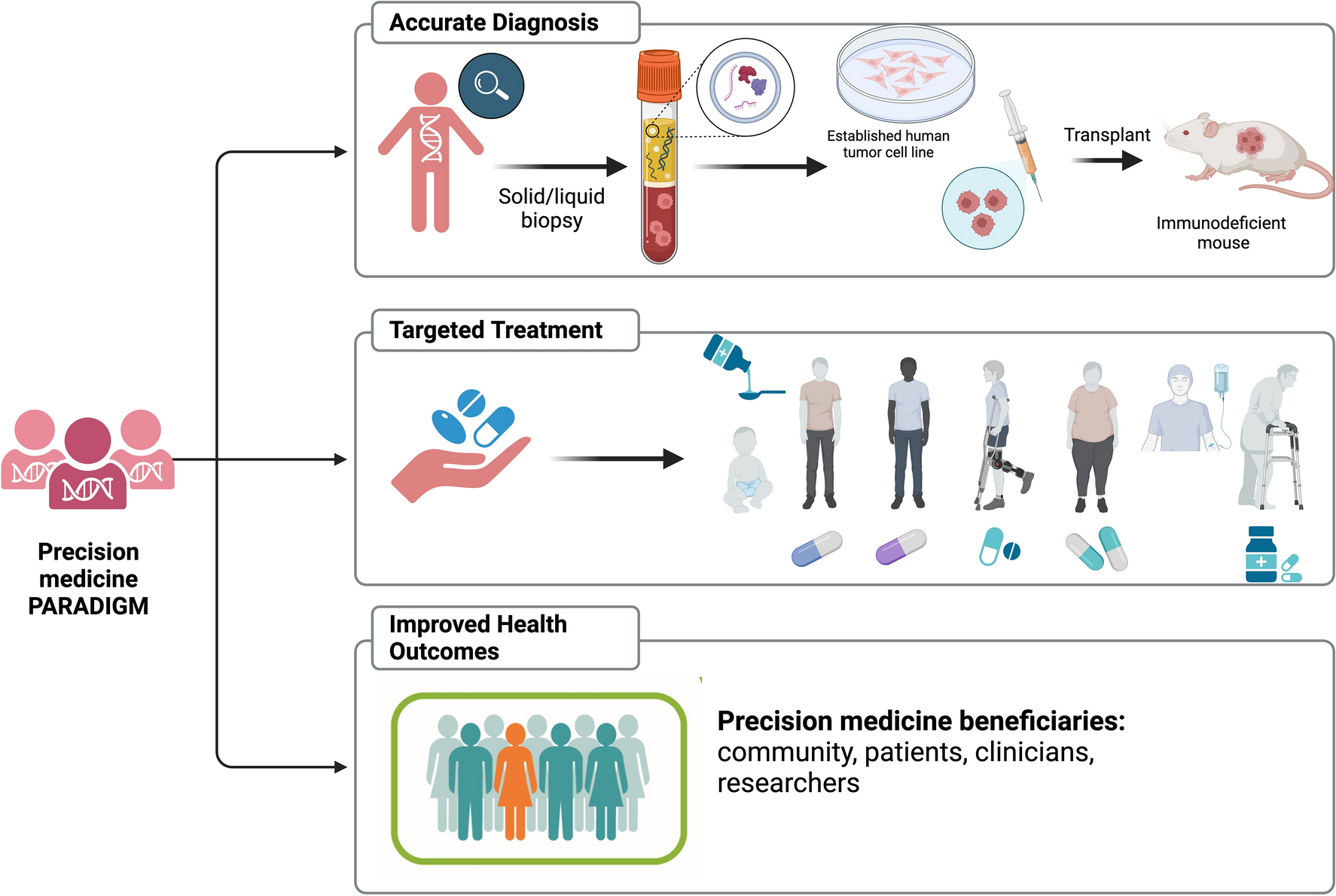
AI in Precision Medicine: Navigating Challenges and Embracing Opportunities

AI's potential to revolutionize healthcare lies in its ability to process vast amounts of data, uncover hidden patterns, and support clinical decision-making. It is particularly promising in the realms of drug development and clinical practice, where it can streamline processes, reduce costs, and improve patient experiences.

The Expanding Role of Telehealth in Nursing

Nurses, the unsung heroes on the front lines of patient care, are increasingly embracing telehealth technology as a core component of their roles. Telehealth offers a transformative opportunity to enhance patient outcomes and broaden access to healthcare. This shift is particularly pertinent in the face of an aging population and ongoing nursing shortages.

By |November 19, 2024|Categories: Article, Nursing, Telehealth|Tags: , |0 Comments

AI Revolutionizing Healthcare: From Diagnostics to Pandemics

AI enhances the ability to interpret medical images such as X-rays and MRIs, often surpassing human accuracy. By identifying patterns that even seasoned professionals might miss, AI complements human expertise, improving diagnostic precision.


By |November 18, 2024|Categories: Article, Healthcare, Technology|Tags: , |0 Comments