Predictive Analytics: The New Frontier in Commercial Real Estate

As the commercial real estate sector navigates a landscape marked by economic uncertainties and technological advancements, a new player has emerged to revolutionize the game—predictive analytics. According to a recent report by JLL, AI and generative AI are among the top technologies reshaping the industry. In 2023 alone, a staggering $630 million was funneled into AI-driven proptech, underscoring its growing importance.
Understanding Predictive Analytics Predictive analytics in commercial real estate involves extracting insights from vast data sets, offering a holistic view of market trends and tenant behavior. This technology enables landlords to anticipate market movements and tenant demand, a capability previously out of reach due to the sector’s slower technological adoption.
Real-Time Data in Action The application of predictive analytics is multifaceted, allowing landlords to forecast market activity and prepare for fluctuations. For instance, data from the Leasing Prediction Outlook indicates positive growth signals in New York City and San Francisco. Real-time data aggregation is crucial, as it forms the backbone of predictive insights, helping landlords identify opportunities, manage risks, and maintain a competitive edge.

Challenges and Considerations

While predictive analytics offers significant advantages, it also requires a robust data infrastructure. Landlords must evaluate their current data sources and systems to ensure they support real-time data collection and analysis. Investing in the right tools and working with data analysts can help integrate these insights effectively, despite the initial learning curve.
AI-powered solutions, though still nascent in real estate, are essential for developing forward-looking strategies. As the industry continues to evolve, these tools will be vital for navigating the challenges posed by hybrid work models and high interest rates.
For further insights, the original article can be explored on Forbes.

More Articles

Getting licensed or staying ahead in your career can be a journey—but it doesn’t have to be overwhelming. Grab your favorite coffee or tea, take a moment to relax, and browse through our articles. Whether you’re just starting out or renewing your expertise, we’ve got tips, insights, and advice to keep you moving forward. Here’s to your success—one sip and one step at a time!

Housing Costs Surge: Navigating the 2024 Construction Material Price Hike

In an unexpected twist of economic fate, the construction industry finds itself grappling with a steep ascent in building material costs, a trend that began its climb at the dawn of 2024.

Texas High-Tech Sector Rebounds Post-Pandemic, Set for New Growth Trajectory

As the dust settles from the pandemic, Texas' high-tech sector is shaking off its post-pandemic slump and gearing up for a new growth trajectory.

Struggling Landlords Seek Relief Amid Rising Insurance Costs

In the ever-evolving landscape of commercial real estate, a new challenge has emerged, straining the resilience of landlords and developers alike. The soaring costs of insurance, exacerbated by climate-induced natural disasters, are creating a formidable obstacle for property owners. Particularly affected are coastal cities and towns, where the risk of storms and floods is high.

By |October 24, 2024|Categories: Article, Insurance, Real Estate|Tags: , |0 Comments

CDK Global’s Cyberattack Disrupts U.S. Car Dealerships

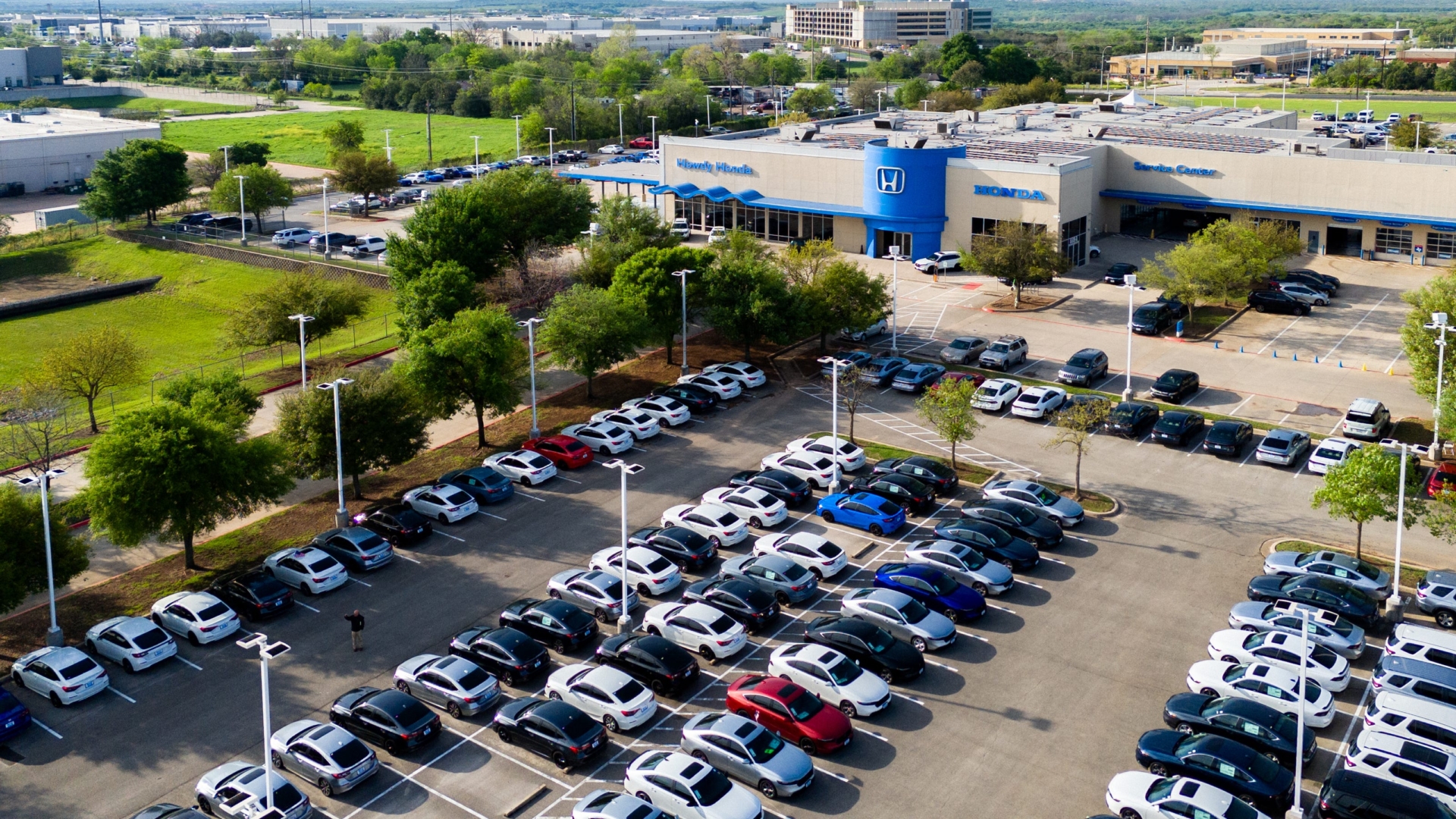
In a significant cyberattack that has disrupted operations across the United States, CDK Global, a leading provider of cloud-based software to automotive dealerships, was forced to shut down most of its systems. This incident has highlighted the vulnerabilities and rising trend of cyberattacks targeting the auto industry.

By |October 23, 2024|Categories: Article, Automotive Industry, Cybersecurity|Tags: , |0 Comments

Commercial Real Estate: A Sector Under Siege

The commercial real estate landscape has experienced seismic shifts, particularly with properties purchased prior to the Covid-19 pandemic. Many of these assets now hold diminished value compared to the loans used to acquire them.