Predictive Analytics: The New Frontier in Commercial Real Estate

As the commercial real estate sector navigates a landscape marked by economic uncertainties and technological advancements, a new player has emerged to revolutionize the game—predictive analytics. According to a recent report by JLL, AI and generative AI are among the top technologies reshaping the industry. In 2023 alone, a staggering $630 million was funneled into AI-driven proptech, underscoring its growing importance.
Understanding Predictive Analytics Predictive analytics in commercial real estate involves extracting insights from vast data sets, offering a holistic view of market trends and tenant behavior. This technology enables landlords to anticipate market movements and tenant demand, a capability previously out of reach due to the sector’s slower technological adoption.
Real-Time Data in Action The application of predictive analytics is multifaceted, allowing landlords to forecast market activity and prepare for fluctuations. For instance, data from the Leasing Prediction Outlook indicates positive growth signals in New York City and San Francisco. Real-time data aggregation is crucial, as it forms the backbone of predictive insights, helping landlords identify opportunities, manage risks, and maintain a competitive edge.

Challenges and Considerations

While predictive analytics offers significant advantages, it also requires a robust data infrastructure. Landlords must evaluate their current data sources and systems to ensure they support real-time data collection and analysis. Investing in the right tools and working with data analysts can help integrate these insights effectively, despite the initial learning curve.
AI-powered solutions, though still nascent in real estate, are essential for developing forward-looking strategies. As the industry continues to evolve, these tools will be vital for navigating the challenges posed by hybrid work models and high interest rates.
For further insights, the original article can be explored on Forbes.

More Articles

Getting licensed or staying ahead in your career can be a journey—but it doesn’t have to be overwhelming. Grab your favorite coffee or tea, take a moment to relax, and browse through our articles. Whether you’re just starting out or renewing your expertise, we’ve got tips, insights, and advice to keep you moving forward. Here’s to your success—one sip and one step at a time!

Global Capital Is Reshaping Real Estate for 2026

Investors worldwide are redeploying capital, embracing more active deal structures, and expanding into new regions as the 2026 market takes shape. Data centers, revived office demand, and global diversification are driving a major shift—creating fresh opportunities for real estate, mortgage, and finance professionals who understand where capital is heading next.

Florida’s Home Insurance Crisis Hits Breaking Point as Premiums Soar and Claims Go Unpaid

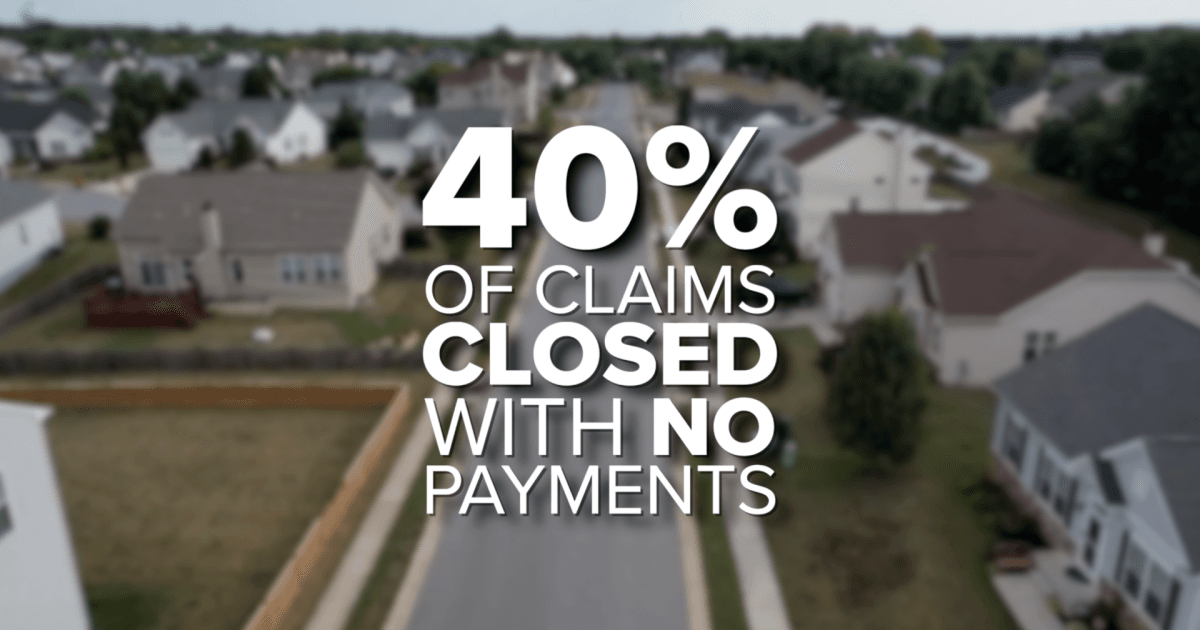
Florida homeowners now pay an average of $5,838 per year for insurance—about $3,000 more than the national average—pushing many families to the financial brink. Residents report premiums tripling, claims being severely underpaid, and insurers dropping policies at one of the highest rates in the country. As frustration mounts, lawmakers and industry experts are calling for sweeping reforms to curb rising costs, increase accountability, and stabilize a market that’s reshaping real estate decisions across the state.

Citizens Insurance Steps Back as Florida’s Private Market Surges

Florida’s insurance market has hit a major turning point. Citizens Property Insurance—once the state’s largest insurer with 1.4 million policies—has shed more than 900,000 policies as private insurers return in force. Driven by Florida’s depopulation program and the arrival of 17 new companies, nearly 200,000 policies shifted to private carriers in October alone, with about 40 percent offering lower premiums. The shift signals rising competition, stabilizing rates, and new opportunities for homeowners and industry professionals navigating Florida’s evolving insurance landscape.

NAR Unveils Biggest MLS Policy Overhaul in 20 Years, Effective 2026

The National Association of REALTORS® has approved 18 major updates to modernize its MLS policies—the largest overhaul in two decades. Announced at NAR NXT in Houston and set to take effect in January 2026, the changes aim to streamline MLS operations, improve enforcement clarity, and better align policies with how today’s real estate professionals actually work.

Inhabit Unveils New AI and Fraud Prevention Tools Transforming Property Management

Inhabit has rolled out a powerful lineup of AI-driven leasing, marketing, fraud prevention, and compliance tools designed to streamline operations and protect property teams from growing risks. From hybrid AI leasing assistants to instant income verification and upcoming portfolio-wide lease audits, these innovations aim to cut costs, eliminate inefficiencies, and strengthen regulatory confidence across the multifamily industry.

Florida’s Insurance System Is Shifting Again—But Are Homeowners Still in the Danger Zone?

Florida’s latest round of insurance reforms was meant to calm a volatile market, yet many experts warn the same deep structural problems remain. Homeowners are being pushed from Citizens into higher‑priced, lightly capitalized private insurers, ratings agencies face scrutiny for inflated grades, and political influence clouds oversight. For real estate and insurance professionals, these trends signal ongoing risk, rising costs, and a market in need of a complete rebuild.