In the ever-evolving landscape of business technology, predictive analytics tools are emerging as indispensable assets for companies aiming to stay ahead of the curve. As we look towards 2025, these tools are not only becoming more sophisticated but also increasingly accessible to both IT professionals and business users alike.
In a recent article by TechTarget, eight leading predictive analytics tools were profiled, each offering unique capabilities that cater to diverse business needs. These tools are paving the way for more intuitive and efficient data analysis, empowering users to make informed decisions with greater ease.
Revolutionizing Predictive Analytics
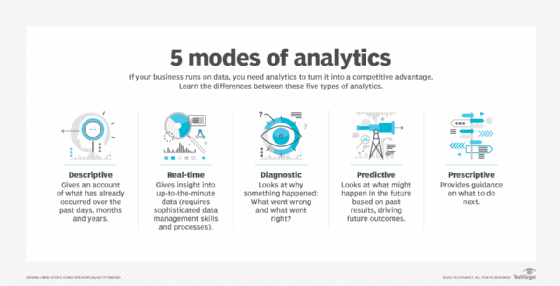
The traditional realm of analytics focused on understanding past events through descriptive analytics and diagnostic analytics. However, predictive analytics shifts the focus towards forecasting future outcomes by examining patterns and trends in data. This transformation has been accelerated by advancements in automated machine learning (AutoML), which simplifies the predictive modeling process.
According to Carlie Idoine, a vice president analyst at Gartner, the barriers to entry for using these tools have significantly lowered. “You don’t have to be an expert to go in and use these tools anymore,” she noted. The automation of complex tasks now allows users to achieve in minutes what once took weeks of coding.
Top Predictive Analytics Tools for 2025
Altair AI Studio: Known for its strengths in data mining and text mining, Altair AI Studio offers a comprehensive suite of tools for both data scientists and non-coding experts.
Alteryx AI Platform: This platform excels in automated data preparation and offers robust visual tools for predictive modeling.
Dataiku: With both visual and code-based interfaces, Dataiku caters to a wide range of users, facilitating data preparation, machine learning, and deployment.
H2O Driverless AI: This tool simplifies AI development with automated capabilities for feature engineering, model selection, and more.
IBM Watson Studio: Building on the legacy of SPSS, IBM Watson Studio offers a consolidated platform for various analytics functions.
Microsoft Azure Machine Learning: Complementing tools like Power BI and Excel, Azure Machine Learning manages the complete predictive analytics lifecycle.
SAP Analytics Cloud: Integrating BI, planning, and predictive analytics, this tool is ideal for enterprises with extensive SAP deployments.
SAS: As a pioneer in statistical analytics, SAS continues to innovate with modern data science and machine learning workflows.
Choosing the Right Tool
When selecting a predictive analytics tool, it’s crucial to align the tool’s capabilities with the specific needs of your organization. Some platforms offer generic solutions applicable across industries, while others provide industry-specific functionalities. Understanding the difference between traditional regression-based tools and machine learning-based tools is also essential for making an informed choice.
Ultimately, the right tool should empower users to collaborate effectively, whether they are seasoned data scientists or business professionals with domain expertise. As businesses continue to integrate AI and machine learning into their workflows, predictive analytics tools will play a pivotal role in driving innovation and success.
More Articles
Getting licensed or staying ahead in your career can be a journey—but it doesn’t have to be overwhelming. Grab your favorite coffee or tea, take a moment to relax, and browse through our articles. Whether you’re just starting out or renewing your expertise, we’ve got tips, insights, and advice to keep you moving forward. Here’s to your success—one sip and one step at a time!
The 2026 housing market is off to a powerful start, with rising buyer activity, expanding inventory, and steady pricing creating one of the most balanced environments in years. Pending home sales and mortgage applications are climbing, inventory has reached 2.6 months of supply, and new listings continue to grow—all signaling renewed confidence and fresh opportunity for real estate professionals nationwide.
A wave of optimism is returning to U.S. commercial real estate heading into 2026, with 95% of investors planning to buy the same or more property than last year. Capital allocations are rising, Sun Belt cities continue to shine, and multifamily remains the top asset class. As pricing stabilizes and debt pressures ease, professionals across real estate and finance are entering a year defined by strategic growth and renewed opportunity.
Floridians were told insurance relief was on the way, but many homeowners are seeing the opposite as premiums continue to rise. Despite state leaders insisting the market is improving and insurers filing rate decreases, homeowners like Lisa Riggi say the real‑world impact tells a different story. Higher property valuations, inflation, and updated replacement‑cost calculations are driving premiums upward, leaving some families questioning whether they can afford to remain in Florida.
Florida once promised retirees sunshine, low costs, and a $20,000 condo by the pool. But in 2026, soaring insurance rates, rising taxes, shrinking affordable housing, and an influx of wealthier newcomers have transformed the state into a far more expensive version of the paradise our parents knew. From corporate buyouts of mobile home parks to multimillion‑dollar estates redefining the market, today’s Florida is a place of widening gaps, disappearing middle‑range homes, and a future that demands deeper pockets—and smarter market insight.
Mortgage rates continue easing into the low 6% range, giving buyers and real estate professionals a welcome boost in early February 2026. Softer labor market data and slipping Treasury yields are helping keep rates stable, with 30‑year fixed loans averaging around 6.26% and refinance rates also trending lower. While affordability remains tight, today’s calmer rate environment is opening doors for more buyers—and offers agents a clearer outlook as they guide clients through a still‑shifting market.
A new CBRE survey reveals that U.S. commercial real estate investors are preparing to ramp up acquisitions in 2026, signaling renewed confidence across the sector. Dallas leads the nation for the fifth straight year as the top investment market, followed by Atlanta and San Francisco. Florida markets like Miami and Tampa continue to rise, while cities such as Charlotte, Nashville, Seattle, and New York also attract strong investor attention. With activity heating up nationwide, 2026 is shaping into a powerful year for commercial real estate professionals.