In the ever-evolving landscape of business technology, predictive analytics tools are emerging as indispensable assets for companies aiming to stay ahead of the curve. As we look towards 2025, these tools are not only becoming more sophisticated but also increasingly accessible to both IT professionals and business users alike.
In a recent article by TechTarget, eight leading predictive analytics tools were profiled, each offering unique capabilities that cater to diverse business needs. These tools are paving the way for more intuitive and efficient data analysis, empowering users to make informed decisions with greater ease.
Revolutionizing Predictive Analytics
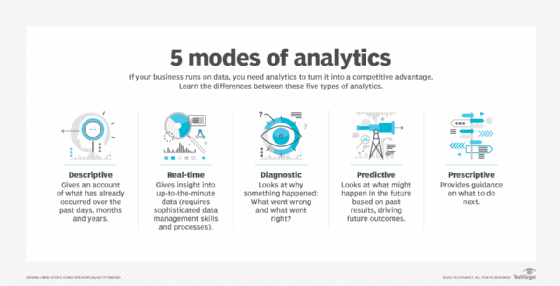
The traditional realm of analytics focused on understanding past events through descriptive analytics and diagnostic analytics. However, predictive analytics shifts the focus towards forecasting future outcomes by examining patterns and trends in data. This transformation has been accelerated by advancements in automated machine learning (AutoML), which simplifies the predictive modeling process.
According to Carlie Idoine, a vice president analyst at Gartner, the barriers to entry for using these tools have significantly lowered. “You don’t have to be an expert to go in and use these tools anymore,” she noted. The automation of complex tasks now allows users to achieve in minutes what once took weeks of coding.
Top Predictive Analytics Tools for 2025
Altair AI Studio: Known for its strengths in data mining and text mining, Altair AI Studio offers a comprehensive suite of tools for both data scientists and non-coding experts.
Alteryx AI Platform: This platform excels in automated data preparation and offers robust visual tools for predictive modeling.
Dataiku: With both visual and code-based interfaces, Dataiku caters to a wide range of users, facilitating data preparation, machine learning, and deployment.
H2O Driverless AI: This tool simplifies AI development with automated capabilities for feature engineering, model selection, and more.
IBM Watson Studio: Building on the legacy of SPSS, IBM Watson Studio offers a consolidated platform for various analytics functions.
Microsoft Azure Machine Learning: Complementing tools like Power BI and Excel, Azure Machine Learning manages the complete predictive analytics lifecycle.
SAP Analytics Cloud: Integrating BI, planning, and predictive analytics, this tool is ideal for enterprises with extensive SAP deployments.
SAS: As a pioneer in statistical analytics, SAS continues to innovate with modern data science and machine learning workflows.
Choosing the Right Tool
When selecting a predictive analytics tool, it’s crucial to align the tool’s capabilities with the specific needs of your organization. Some platforms offer generic solutions applicable across industries, while others provide industry-specific functionalities. Understanding the difference between traditional regression-based tools and machine learning-based tools is also essential for making an informed choice.
Ultimately, the right tool should empower users to collaborate effectively, whether they are seasoned data scientists or business professionals with domain expertise. As businesses continue to integrate AI and machine learning into their workflows, predictive analytics tools will play a pivotal role in driving innovation and success.
More Articles
Getting licensed or staying ahead in your career can be a journey—but it doesn’t have to be overwhelming. Grab your favorite coffee or tea, take a moment to relax, and browse through our articles. Whether you’re just starting out or renewing your expertise, we’ve got tips, insights, and advice to keep you moving forward. Here’s to your success—one sip and one step at a time!
Investors worldwide are redeploying capital, embracing more active deal structures, and expanding into new regions as the 2026 market takes shape. Data centers, revived office demand, and global diversification are driving a major shift—creating fresh opportunities for real estate, mortgage, and finance professionals who understand where capital is heading next.
Florida homeowners now pay an average of $5,838 per year for insurance—about $3,000 more than the national average—pushing many families to the financial brink. Residents report premiums tripling, claims being severely underpaid, and insurers dropping policies at one of the highest rates in the country. As frustration mounts, lawmakers and industry experts are calling for sweeping reforms to curb rising costs, increase accountability, and stabilize a market that’s reshaping real estate decisions across the state.
Florida’s insurance market has hit a major turning point. Citizens Property Insurance—once the state’s largest insurer with 1.4 million policies—has shed more than 900,000 policies as private insurers return in force. Driven by Florida’s depopulation program and the arrival of 17 new companies, nearly 200,000 policies shifted to private carriers in October alone, with about 40 percent offering lower premiums. The shift signals rising competition, stabilizing rates, and new opportunities for homeowners and industry professionals navigating Florida’s evolving insurance landscape.
The National Association of REALTORS® has approved 18 major updates to modernize its MLS policies—the largest overhaul in two decades. Announced at NAR NXT in Houston and set to take effect in January 2026, the changes aim to streamline MLS operations, improve enforcement clarity, and better align policies with how today’s real estate professionals actually work.
Inhabit has rolled out a powerful lineup of AI-driven leasing, marketing, fraud prevention, and compliance tools designed to streamline operations and protect property teams from growing risks. From hybrid AI leasing assistants to instant income verification and upcoming portfolio-wide lease audits, these innovations aim to cut costs, eliminate inefficiencies, and strengthen regulatory confidence across the multifamily industry.
Florida’s latest round of insurance reforms was meant to calm a volatile market, yet many experts warn the same deep structural problems remain. Homeowners are being pushed from Citizens into higher‑priced, lightly capitalized private insurers, ratings agencies face scrutiny for inflated grades, and political influence clouds oversight. For real estate and insurance professionals, these trends signal ongoing risk, rising costs, and a market in need of a complete rebuild.