
Predictive Analytics: Transforming Commercial Real Estate

The commercial real estate industry is on the brink of a technological revolution, driven by the rapid rise of artificial intelligence (AI) and data science. According to a recent JLL report, AI and generative AI are among the top three technologies anticipated to significantly impact the sector. In 2023 alone, an impressive $630 million was invested in AI-powered proptech, underscoring the growing reliance on technology.
As the industry navigates economic headwinds, AI-powered solutions are becoming indispensable for property owners and landlords. These technologies enable them to better understand the market, adopt proactive leasing strategies, and engage tenants more effectively while operating cost-efficiently.

Understanding Predictive Analytics

Predictive analytics has emerged as a critical tool, revolutionizing how commercial real estate owners and operators leverage technology to stay ahead of the market. By pulling insights from millions of data points, predictive analytics offers a holistic view of market activity and real estate portfolios. This capability allows landlords to anticipate tenant demand and make informed decisions—something previously unattainable due to the slower pace of technological advancement in real estate.

Predictive Analytics And Real-Time Data In Action

Landlords can leverage predictive analytics in various ways to enhance decision-making and operational efficiency. A notable application is forecasting market activity, which helps landlords anticipate and prepare for market fluctuations. For example, as highlighted by VTS‘s Leasing Prediction Outlook, cities like New York City and San Francisco are experiencing positive growth signals year-over-year.
Real-time data aggregation is crucial for generating predictive insights, emphasizing the importance of data-oriented solutions in daily operations. Landlords must evaluate their current data collection processes and systems to ensure they provide the real-time data necessary for informed decision-making.

Challenges And Considerations

Implementing predictive analytics involves aggregating real-time data to create predictive insights. Landlords should assess their data sources to determine the solutions needed for accurate portfolio and market activity insights. Investing in predictive analytics tools and platforms can generate real-time data sets, offering unparalleled insight for commercial real estate owners and operators.
However, AI-powered solutions are relatively new to the real estate industry and often met with skepticism. Providing space for exploration and training with this technology will benefit teams, building confidence and understanding of how to apply these tools effectively.
As proptech continues to evolve, predictive analytics exemplifies the maturation of technology in the real estate sector. With economic challenges like hybrid working models and high-interest rates, tools offering a comprehensive market view are more critical than ever. Landlords now have a powerful tool to build and execute forward-looking strategies for long-term success.
Commercial real estate innovation

More Articles

Getting licensed or staying ahead in your career can be a journey—but it doesn’t have to be overwhelming. Grab your favorite coffee or tea, take a moment to relax, and browse through our articles. Whether you’re just starting out or renewing your expertise, we’ve got tips, insights, and advice to keep you moving forward. Here’s to your success—one sip and one step at a time!

Revolutionizing Radiology: AI’s Impact on Diagnostics

AI-powered tools are enhancing the speed and accuracy of diagnoses, significantly benefiting patient outcomes, especially in resource-constrained environments.

By |November 26, 2024|Categories: Article, Artificial Intelligence, Healthcare|Tags: |0 Comments

Exploring the Shifting Landscape of Real Estate in 2024

The real estate market is undergoing significant transformations as we step into 2024, with several trends reshaping the industry. This analysis delves into the top nine trends that are expected to impact the real estate sector this year.

By |November 26, 2024|Categories: Article, Market Trends, Real Estate|Tags: , |0 Comments

AI Revolutionizing Clinical and Molecular Diagnostics

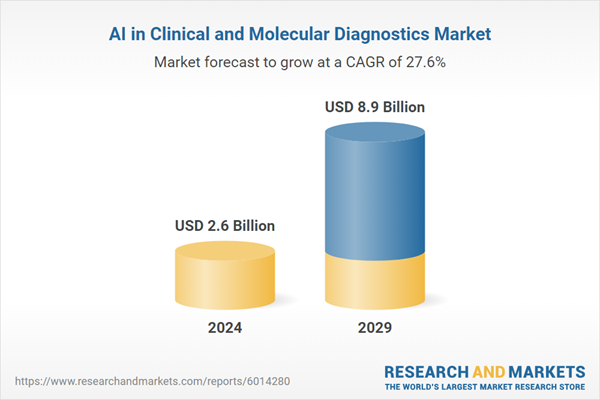
In a groundbreaking development, the market for AI in clinical and molecular diagnostics is set to experience a phenomenal growth trajectory, projected to skyrocket from USD 2.6 billion in 2024 to USD 8.9 billion by 2029 with a robust CAGR of 27.6%.

2025 Banking and Capital Markets Outlook: Navigating Low-Growth Challenges

The overarching goal for banks will be to adapt adeptly to macroeconomic shifts and regulatory implementations such as the Basel III Endgame re-proposal, which calls for strategic recalibration to ensure compliance without sacrificing growth.

CRISPR Technology Market Poised for Remarkable Growth to USD 12,461 Million by 2031

The CRISPR technology market, valued at USD 3,642.1 million in 2024, is anticipated to soar to USD 12,461 million by 2031, marking a robust CAGR of 19.2%.

By |November 25, 2024|Categories: Article, Biotechnology, Healthcare|Tags: , |0 Comments

Mortgage Rates Rise: A Window for Buyers Amid a Cloudy Future

Mortgage rates are climbing, with the 30-year fixed mortgage rate now at 6.64% and the 15-year fixed rate at 5.98%. This increase suggests a challenging landscape for potential refinancing, but a possible opportunity for homebuyers as competition wanes during the holiday season.


By |November 24, 2024|Categories: Article, Finance, Real Estate|Tags: , |0 Comments