In the ever-evolving landscape of real estate, a seismic shift is underway, driven by the integration of cutting-edge technology. Known as property technology, or prop-tech, this trend is redefining how real estate is bought, sold, managed, and developed. As AI, automation, and data-driven decision-making become more ingrained in the industry, the global prop-tech market is poised for exponential growth.
According to the Global PropTech Market Outlook 2029, the market is expected to surpass $75 billion by 2029, a substantial increase from $34.59 billion in 2023. This reflects a compound annual growth rate of 15.36% between 2024 and 2029. Leading companies like Zillow, Redfin, and Trulia are already at the forefront, leveraging technology to revolutionize property transactions.
Innovation Meets Sustainability
As the world grapples with climate change, the real estate sector faces increased scrutiny. Real estate accounts for 40% of global energy consumption and 30% of global greenhouse gas emissions. This makes it a primary target for stricter sustainability regulations.
The demand for sustainable prop-tech solutions is growing, with companies seeking to improve energy efficiency, reduce waste, and optimize resource allocation. Those that innovate in this space stand to gain a competitive edge, while those that don’t may soon find themselves lagging behind.
Israel: A Global Prop-tech Leader
Israel is emerging as a leader in the prop-tech arena, driven by a need for economic resilience and sustainability. The country’s reliance on imported building materials was highlighted in April 2023, when Turkey imposed a construction material export ban. This disruption underscored the urgent need for local innovation, particularly in green building technologies.
By investing in advanced construction materials, AI-driven energy management, and sustainable urban planning, Israel is positioning itself as a global prop-tech leader.
Key Innovations in the Prop-tech Boom
AI-powered smart buildings: Dynamic, sensor-equipped structures that adjust temperature, lighting, and energy consumption based on real-time data.
Automated construction and robotics: Robots that paint walls, install flooring, and assemble prefabricated components, reducing costs and construction timelines.
3D-printed structures: Entire buildings are now being printed using large-scale 3D printers, offering faster, cheaper, and more sustainable construction solutions.
Responsive architecture: Buildings designed to adapt to environmental conditions, including self-cooling facades and air-purifying exteriors.
Investment Opportunities
The convergence of AI, automation, sustainability, and digital transformation is redefining real estate. For investors, developers, and policymakers, the message is clear: Prop-tech is not optional. It is the future.
As we stand on the brink of a new era, the question is no longer whether prop-tech will reshape the industry, but rather which companies, cities, and nations will lead this revolution. Investing in prop-tech today means securing a stake in the future of an industry undergoing its most profound transformation in history.
Dr. Bella Barda-Bareket, a real-estate investment expert, emphasizes that this article does not constitute financial or investment advice. Readers are encouraged to conduct independent research before making any investment decisions.
“`
More Articles
Getting licensed or staying ahead in your career can be a journey—but it doesn’t have to be overwhelming. Grab your favorite coffee or tea, take a moment to relax, and browse through our articles. Whether you’re just starting out or renewing your expertise, we’ve got tips, insights, and advice to keep you moving forward. Here’s to your success—one sip and one step at a time!
Newman Properties, a Massachusetts-based investment firm, has expanded its footprint into Connecticut with the $3.65 million acquisition of a 6,350‑square‑foot retail building in Enfield. Anchored by national restaurant chain Red Robin, the property offers the type of stable tenancy investors seek when entering new markets. The deal underscores growing confidence in anchored retail assets and provides a valuable real-world example for real estate professionals studying market analysis, investment strategy, and portfolio expansion.
JPMorgan now expects national home prices to flatten in 2026, but the Sunbelt is telling a very different story. Florida home values are down 5.1%, Texas is down 2.4%, and analysts warn that years of rapid building are finally catching up to the region. As demand stabilizes and inventory swells, real estate professionals — especially in Florida — face a market full of challenges, opportunities, and critical timing decisions.
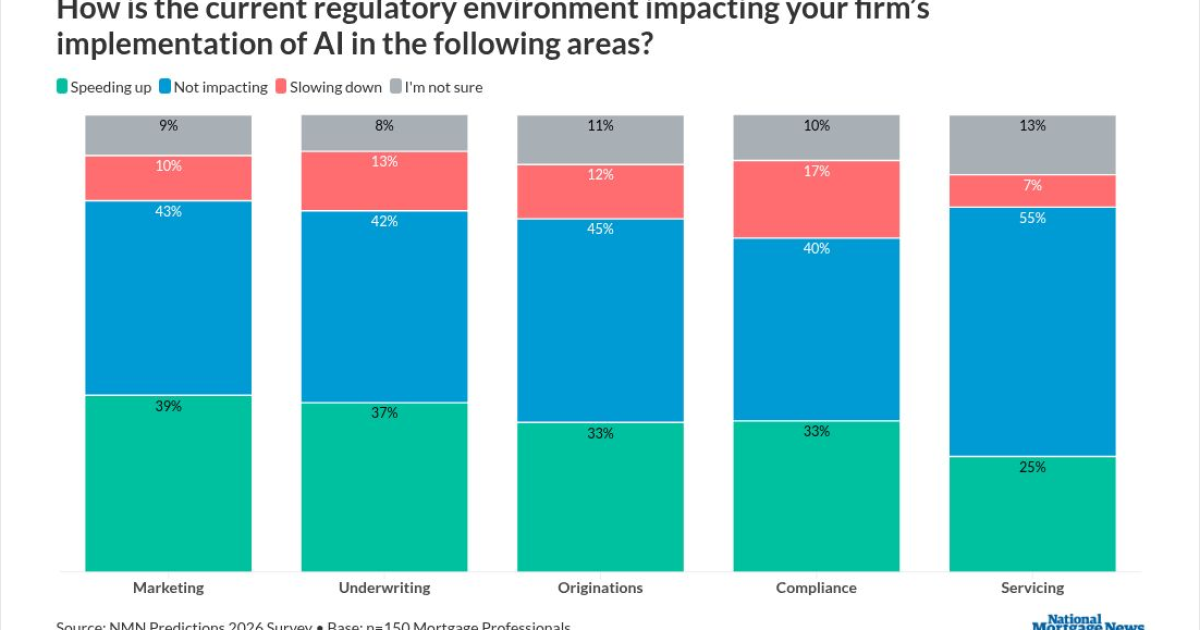
Artificial intelligence is finally stepping into the mortgage underwriting spotlight, with 57% of mortgage professionals predicting it will drive the most transformative industry shift in 2026. Thanks to major advancements in language models and workflow automation, AI is now capable of navigating the messy, document-heavy realities that have long slowed underwriting. From faster preapprovals to improved credit analysis and real‑time income verification, AI is streamlining processes while allowing underwriters to focus on true risk management. As regulatory winds shift and grassroots pressure builds within lending teams, the industry is entering a pivotal era where AI‑powered underwriting becomes not just an advantage — but an expectation.
Portland’s top 20 office towers have lost an unprecedented 70% of their value since 2019—plunging from $3 billion to under $1 billion—triggering tax revenue shortfalls, budget crises, and a surge in appeals as the city grapples with its biggest commercial real estate reset in modern history.
South Florida’s luxury real estate market just raised the bar again — this time with a $1 million virtual reality system that lets buyers walk through Dolce & Gabbana’s upcoming Miami tower long before construction wraps. Real estate master’s students were given an immersive look inside the project, discovering how VR is transforming high‑end development, influencing buyer psychology, and shaping the future skills today’s professionals need.
Long Island’s commercial real estate scene is kicking off 2026 with a surge of activity—industrial leases in Medford, neighborhood retail trades in Bohemia, Pizza Hut’s new DELCO expansion in Centereach, mixed‑use acquisitions in Melville, and major investor interest in bank‑leased and franchise-backed properties. From warehouses to restaurant rebrands, these deals highlight a region evolving fast and offering fresh opportunities for agents, investors, and professionals looking to stay ahead in the market.