“`html

Prop-tech: A New Era in Real Estate Investment

In the ever-evolving landscape of real estate, a seismic shift is underway, driven by the integration of cutting-edge technology. Known as property technology, or prop-tech, this trend is redefining how real estate is bought, sold, managed, and developed. As AI, automation, and data-driven decision-making become more ingrained in the industry, the global prop-tech market is poised for exponential growth. According to the Global PropTech Market Outlook 2029, the market is expected to surpass $75 billion by 2029, a substantial increase from $34.59 billion in 2023. This reflects a compound annual growth rate of 15.36% between 2024 and 2029. Leading companies like Zillow, Redfin, and Trulia are already at the forefront, leveraging technology to revolutionize property transactions.

Innovation Meets Sustainability

As the world grapples with climate change, the real estate sector faces increased scrutiny. Real estate accounts for 40% of global energy consumption and 30% of global greenhouse gas emissions. This makes it a primary target for stricter sustainability regulations. The demand for sustainable prop-tech solutions is growing, with companies seeking to improve energy efficiency, reduce waste, and optimize resource allocation. Those that innovate in this space stand to gain a competitive edge, while those that don’t may soon find themselves lagging behind.

Israel: A Global Prop-tech Leader

Israel is emerging as a leader in the prop-tech arena, driven by a need for economic resilience and sustainability. The country’s reliance on imported building materials was highlighted in April 2023, when Turkey imposed a construction material export ban. This disruption underscored the urgent need for local innovation, particularly in green building technologies. By investing in advanced construction materials, AI-driven energy management, and sustainable urban planning, Israel is positioning itself as a global prop-tech leader.

Key Innovations in the Prop-tech Boom

  • AI-powered smart buildings: Dynamic, sensor-equipped structures that adjust temperature, lighting, and energy consumption based on real-time data.
  • Automated construction and robotics: Robots that paint walls, install flooring, and assemble prefabricated components, reducing costs and construction timelines.
  • 3D-printed structures: Entire buildings are now being printed using large-scale 3D printers, offering faster, cheaper, and more sustainable construction solutions.
  • Responsive architecture: Buildings designed to adapt to environmental conditions, including self-cooling facades and air-purifying exteriors.

Investment Opportunities

The convergence of AI, automation, sustainability, and digital transformation is redefining real estate. For investors, developers, and policymakers, the message is clear: Prop-tech is not optional. It is the future. As we stand on the brink of a new era, the question is no longer whether prop-tech will reshape the industry, but rather which companies, cities, and nations will lead this revolution. Investing in prop-tech today means securing a stake in the future of an industry undergoing its most profound transformation in history.
Dr. Bella Barda-Bareket, a real-estate investment expert, emphasizes that this article does not constitute financial or investment advice. Readers are encouraged to conduct independent research before making any investment decisions. Dr. Bella barda-bareket. Photo by lia yaffa
“`

More Articles

Getting licensed or staying ahead in your career can be a journey—but it doesn’t have to be overwhelming. Grab your favorite coffee or tea, take a moment to relax, and browse through our articles. Whether you’re just starting out or renewing your expertise, we’ve got tips, insights, and advice to keep you moving forward. Here’s to your success—one sip and one step at a time!

Unlocking Real Estate Wealth in 2025: Strategies for Success

Step into 2025, where the real estate market emerges as a resilient beacon amidst economic unpredictability. Investors are increasingly drawn to secondary cities like Austin and Manchester, attracted by their growth potential, affordability, and enhanced quality of life.

By |February 18, 2025|Categories: Article, Investment Strategies, Real Estate|Tags: , |0 Comments

AI and Urbanization Drive Home Services Market Growth

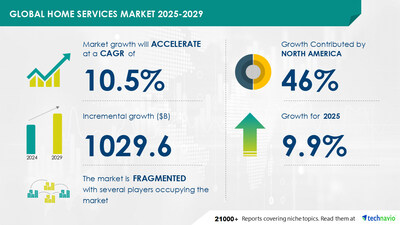
The global home services market is poised for significant growth, with projections indicating an increase of USD 1.03 trillion from 2025 to 2029. This forecasted expansion is attributed to increasing urbanization and the transformative impact of AI on market trends, according to a recent report by Technavio.

Decoding the U.S. Housing Crisis: A Study of Historic Policy Missteps and Demographic Shift

In a revealing study by USC, the roots of the current housing crisis in the United States are traced back to policy missteps and demographic changes that have been unfolding since the early 2000s. The study highlights how these factors have left millennials and people of color disproportionately affected.

Best Real Estate Crowdfunding Platforms for February 2025: Investopedia’s Top Picks

Fundrise stands out for offering investors a chance to diversify their portfolios with real estate exposure through proprietary funds. With a minimum investment as low as $10, it opens doors to beginners and seasoned investors alike.

Top Real Estate Investment Apps of 2025: A Guide for First-Time and Experienced Investors

Business Insider has reviewed a range of platforms available in 2025, focusing on key factors like fees, accessibility for accredited vs. non-accredited investors, and the types of real estate investments offered.