In the ever-evolving landscape of real estate, a seismic shift is underway, driven by the integration of cutting-edge technology. Known as property technology, or prop-tech, this trend is redefining how real estate is bought, sold, managed, and developed. As AI, automation, and data-driven decision-making become more ingrained in the industry, the global prop-tech market is poised for exponential growth.
According to the Global PropTech Market Outlook 2029, the market is expected to surpass $75 billion by 2029, a substantial increase from $34.59 billion in 2023. This reflects a compound annual growth rate of 15.36% between 2024 and 2029. Leading companies like Zillow, Redfin, and Trulia are already at the forefront, leveraging technology to revolutionize property transactions.
Innovation Meets Sustainability
As the world grapples with climate change, the real estate sector faces increased scrutiny. Real estate accounts for 40% of global energy consumption and 30% of global greenhouse gas emissions. This makes it a primary target for stricter sustainability regulations.
The demand for sustainable prop-tech solutions is growing, with companies seeking to improve energy efficiency, reduce waste, and optimize resource allocation. Those that innovate in this space stand to gain a competitive edge, while those that don’t may soon find themselves lagging behind.
Israel: A Global Prop-tech Leader
Israel is emerging as a leader in the prop-tech arena, driven by a need for economic resilience and sustainability. The country’s reliance on imported building materials was highlighted in April 2023, when Turkey imposed a construction material export ban. This disruption underscored the urgent need for local innovation, particularly in green building technologies.
By investing in advanced construction materials, AI-driven energy management, and sustainable urban planning, Israel is positioning itself as a global prop-tech leader.
Key Innovations in the Prop-tech Boom
AI-powered smart buildings: Dynamic, sensor-equipped structures that adjust temperature, lighting, and energy consumption based on real-time data.
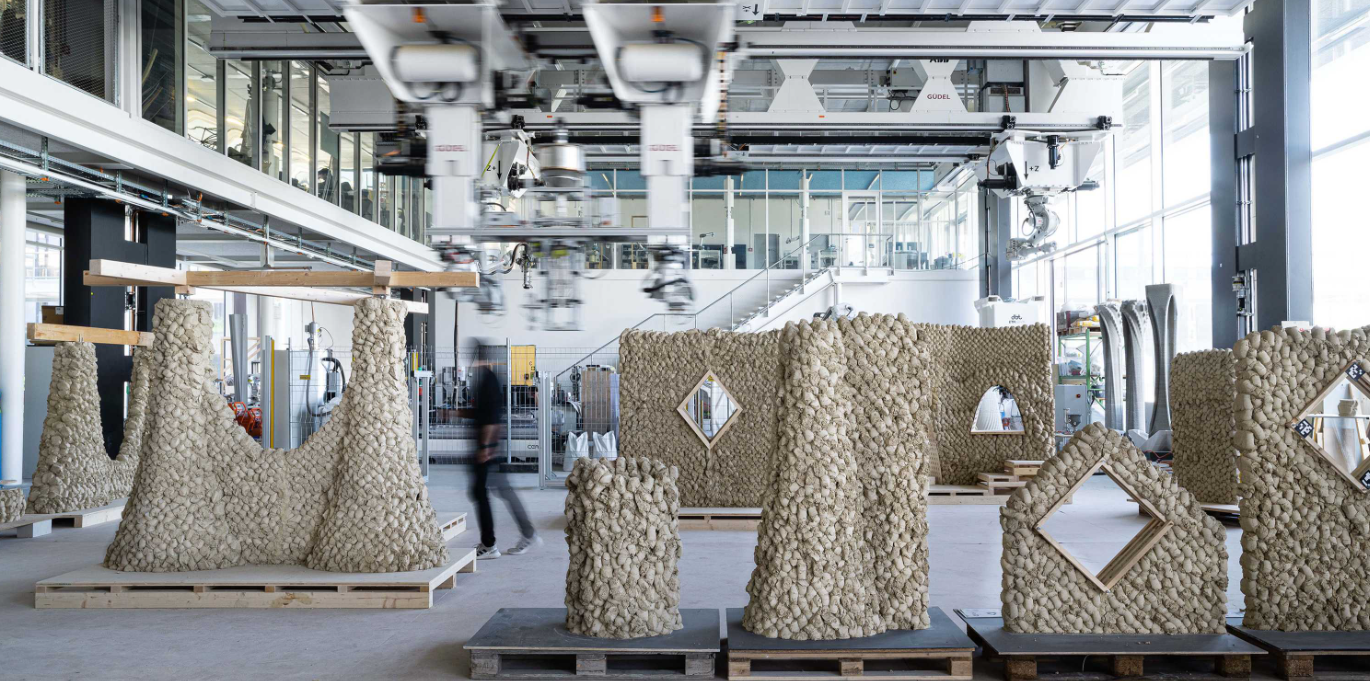
Automated construction and robotics: Robots that paint walls, install flooring, and assemble prefabricated components, reducing costs and construction timelines.
3D-printed structures: Entire buildings are now being printed using large-scale 3D printers, offering faster, cheaper, and more sustainable construction solutions.
Responsive architecture: Buildings designed to adapt to environmental conditions, including self-cooling facades and air-purifying exteriors.
Investment Opportunities
The convergence of AI, automation, sustainability, and digital transformation is redefining real estate. For investors, developers, and policymakers, the message is clear: Prop-tech is not optional. It is the future.
As we stand on the brink of a new era, the question is no longer whether prop-tech will reshape the industry, but rather which companies, cities, and nations will lead this revolution. Investing in prop-tech today means securing a stake in the future of an industry undergoing its most profound transformation in history.
Dr. Bella Barda-Bareket, a real-estate investment expert, emphasizes that this article does not constitute financial or investment advice. Readers are encouraged to conduct independent research before making any investment decisions.
“`
More Articles
Getting licensed or staying ahead in your career can be a journey—but it doesn’t have to be overwhelming. Grab your favorite coffee or tea, take a moment to relax, and browse through our articles. Whether you’re just starting out or renewing your expertise, we’ve got tips, insights, and advice to keep you moving forward. Here’s to your success—one sip and one step at a time!
The healthcare industry is undergoing a significant transformation, marked by rapid growth and innovation. By 2028, the global healthcare market is expected to reach a staggering $665.37 billion, while national healthcare spending is projected to soar to $5.7 trillion by 2026.
In underserved regions, innovative approaches are empowering local medical teams by enhancing surgical skills, implementing early detection protocols, and integrating telemedicine advancements to prevent blindness.
The innovative team at ETH Zurich is making waves in the construction world with their new method, Impact Printing. This groundbreaking technique utilizes Earth-based materials, such as sand, silt, clay, and gravel, to construct environmentally friendly structures.
Healthcare needs to embrace artificial intelligence,” stated Dr. Gianrico Farrugia, President and CEO of Mayo Clinic, who also serves on a National Academy of Medicine panel working on a code of conduct for AI use in healthcare.
CBDCs represent the next step, aiming to modernize financial services to be more resilient and inclusive. As digital currencies become more integrated into the global financial system, they may offer a more inclusive and efficient financial framework but will require careful implementation to balance innovation with stability.