In the ever-evolving landscape of real estate, a seismic shift is underway, driven by the integration of cutting-edge technology. Known as property technology, or prop-tech, this trend is redefining how real estate is bought, sold, managed, and developed. As AI, automation, and data-driven decision-making become more ingrained in the industry, the global prop-tech market is poised for exponential growth.
According to the Global PropTech Market Outlook 2029, the market is expected to surpass $75 billion by 2029, a substantial increase from $34.59 billion in 2023. This reflects a compound annual growth rate of 15.36% between 2024 and 2029. Leading companies like Zillow, Redfin, and Trulia are already at the forefront, leveraging technology to revolutionize property transactions.
Innovation Meets Sustainability
As the world grapples with climate change, the real estate sector faces increased scrutiny. Real estate accounts for 40% of global energy consumption and 30% of global greenhouse gas emissions. This makes it a primary target for stricter sustainability regulations.
The demand for sustainable prop-tech solutions is growing, with companies seeking to improve energy efficiency, reduce waste, and optimize resource allocation. Those that innovate in this space stand to gain a competitive edge, while those that don’t may soon find themselves lagging behind.
Israel: A Global Prop-tech Leader
Israel is emerging as a leader in the prop-tech arena, driven by a need for economic resilience and sustainability. The country’s reliance on imported building materials was highlighted in April 2023, when Turkey imposed a construction material export ban. This disruption underscored the urgent need for local innovation, particularly in green building technologies.
By investing in advanced construction materials, AI-driven energy management, and sustainable urban planning, Israel is positioning itself as a global prop-tech leader.
Key Innovations in the Prop-tech Boom
AI-powered smart buildings: Dynamic, sensor-equipped structures that adjust temperature, lighting, and energy consumption based on real-time data.
Automated construction and robotics: Robots that paint walls, install flooring, and assemble prefabricated components, reducing costs and construction timelines.
3D-printed structures: Entire buildings are now being printed using large-scale 3D printers, offering faster, cheaper, and more sustainable construction solutions.
Responsive architecture: Buildings designed to adapt to environmental conditions, including self-cooling facades and air-purifying exteriors.
Investment Opportunities
The convergence of AI, automation, sustainability, and digital transformation is redefining real estate. For investors, developers, and policymakers, the message is clear: Prop-tech is not optional. It is the future.
As we stand on the brink of a new era, the question is no longer whether prop-tech will reshape the industry, but rather which companies, cities, and nations will lead this revolution. Investing in prop-tech today means securing a stake in the future of an industry undergoing its most profound transformation in history.
Dr. Bella Barda-Bareket, a real-estate investment expert, emphasizes that this article does not constitute financial or investment advice. Readers are encouraged to conduct independent research before making any investment decisions.
“`
More Articles
Getting licensed or staying ahead in your career can be a journey—but it doesn’t have to be overwhelming. Grab your favorite coffee or tea, take a moment to relax, and browse through our articles. Whether you’re just starting out or renewing your expertise, we’ve got tips, insights, and advice to keep you moving forward. Here’s to your success—one sip and one step at a time!
With each passing year, the threat of wildfires looms larger, fueled by the relentless march of climate change. AI technologies are emerging as game-changers in wildfire detection and management, providing real-time identification and valuable insights.
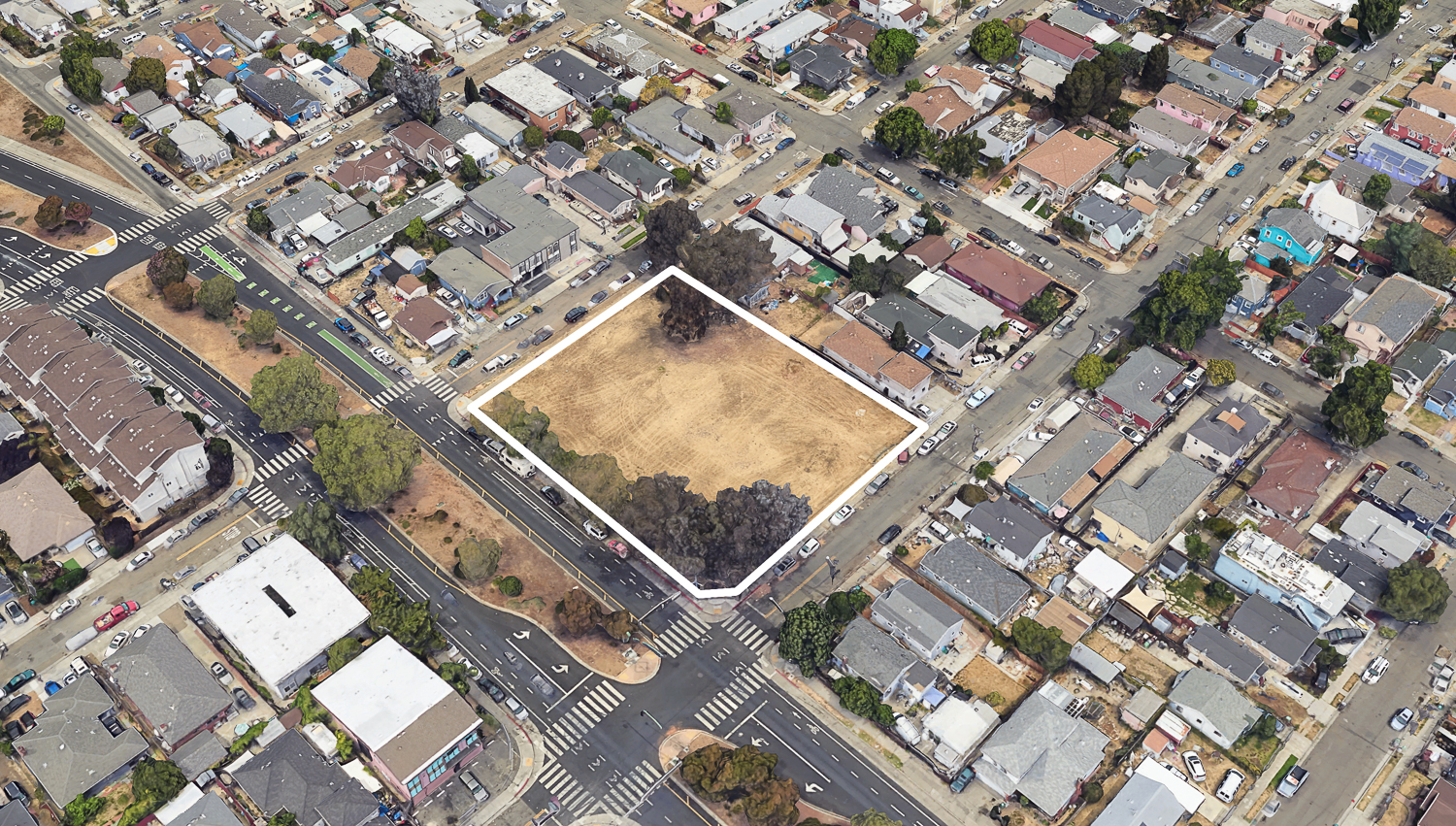
Eden Housing's proposal is part of a broader initiative to redevelop the underutilized land surrounding the Eastmont Town Center, a hub for shopping and social services in East Oakland.
In the heart of California, a state renowned for its innovation and economic prowess, a housing crisis looms large. The demand for housing far exceeds the supply, leading to skyrocketing costs and a severe affordability gap.
The housing market in 2024 continues to be a battleground, with sellers maintaining the upper hand due to persistently low inventory levels. Despite a slight dip in mortgage rates, which have decreased to 7.09% from their peak, they remain high enough to deter potential buyers.
The ongoing struggles in commercial real estate underscore the need for banks to adapt and innovate in response to evolving market conditions. As the sector navigates these challenges, the focus remains on strategic maneuvers and legislative considerations that will shape its future trajectory.
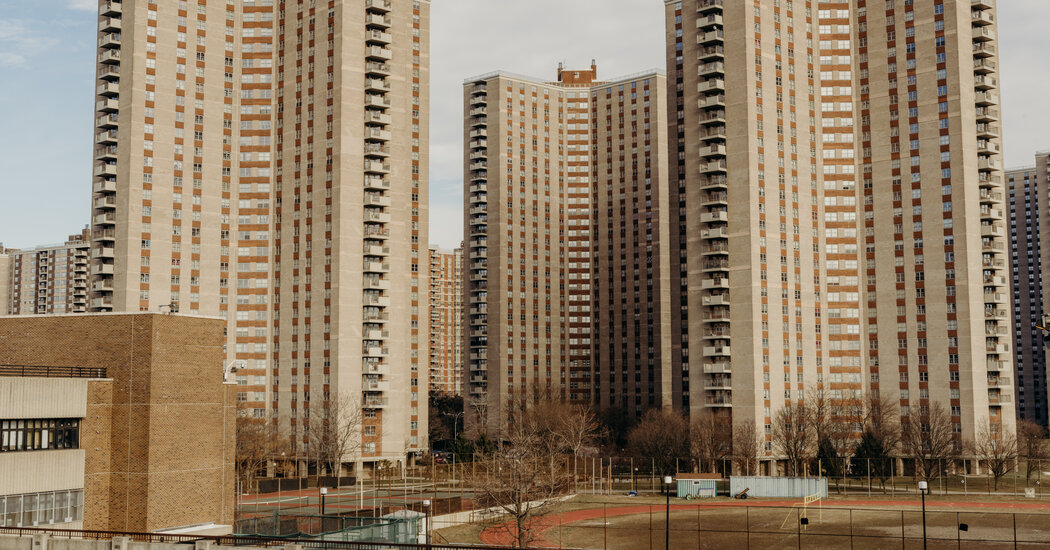
The current housing landscape is bleak for many. In most American counties, even a modest one-bedroom apartment is out of reach for minimum-wage workers. The situation is exacerbated by the increasing influence of large financial firms in the housing market, leaving working families to compete in an unfair bidding war.