In the ever-evolving landscape of real estate, a seismic shift is underway, driven by the integration of cutting-edge technology. Known as property technology, or prop-tech, this trend is redefining how real estate is bought, sold, managed, and developed. As AI, automation, and data-driven decision-making become more ingrained in the industry, the global prop-tech market is poised for exponential growth.
According to the Global PropTech Market Outlook 2029, the market is expected to surpass $75 billion by 2029, a substantial increase from $34.59 billion in 2023. This reflects a compound annual growth rate of 15.36% between 2024 and 2029. Leading companies like Zillow, Redfin, and Trulia are already at the forefront, leveraging technology to revolutionize property transactions.
Innovation Meets Sustainability
As the world grapples with climate change, the real estate sector faces increased scrutiny. Real estate accounts for 40% of global energy consumption and 30% of global greenhouse gas emissions. This makes it a primary target for stricter sustainability regulations.
The demand for sustainable prop-tech solutions is growing, with companies seeking to improve energy efficiency, reduce waste, and optimize resource allocation. Those that innovate in this space stand to gain a competitive edge, while those that don’t may soon find themselves lagging behind.
Israel: A Global Prop-tech Leader
Israel is emerging as a leader in the prop-tech arena, driven by a need for economic resilience and sustainability. The country’s reliance on imported building materials was highlighted in April 2023, when Turkey imposed a construction material export ban. This disruption underscored the urgent need for local innovation, particularly in green building technologies.
By investing in advanced construction materials, AI-driven energy management, and sustainable urban planning, Israel is positioning itself as a global prop-tech leader.
Key Innovations in the Prop-tech Boom
AI-powered smart buildings: Dynamic, sensor-equipped structures that adjust temperature, lighting, and energy consumption based on real-time data.
Automated construction and robotics: Robots that paint walls, install flooring, and assemble prefabricated components, reducing costs and construction timelines.
3D-printed structures: Entire buildings are now being printed using large-scale 3D printers, offering faster, cheaper, and more sustainable construction solutions.
Responsive architecture: Buildings designed to adapt to environmental conditions, including self-cooling facades and air-purifying exteriors.
Investment Opportunities
The convergence of AI, automation, sustainability, and digital transformation is redefining real estate. For investors, developers, and policymakers, the message is clear: Prop-tech is not optional. It is the future.
As we stand on the brink of a new era, the question is no longer whether prop-tech will reshape the industry, but rather which companies, cities, and nations will lead this revolution. Investing in prop-tech today means securing a stake in the future of an industry undergoing its most profound transformation in history.
Dr. Bella Barda-Bareket, a real-estate investment expert, emphasizes that this article does not constitute financial or investment advice. Readers are encouraged to conduct independent research before making any investment decisions.
“`
More Articles
Getting licensed or staying ahead in your career can be a journey—but it doesn’t have to be overwhelming. Grab your favorite coffee or tea, take a moment to relax, and browse through our articles. Whether you’re just starting out or renewing your expertise, we’ve got tips, insights, and advice to keep you moving forward. Here’s to your success—one sip and one step at a time!
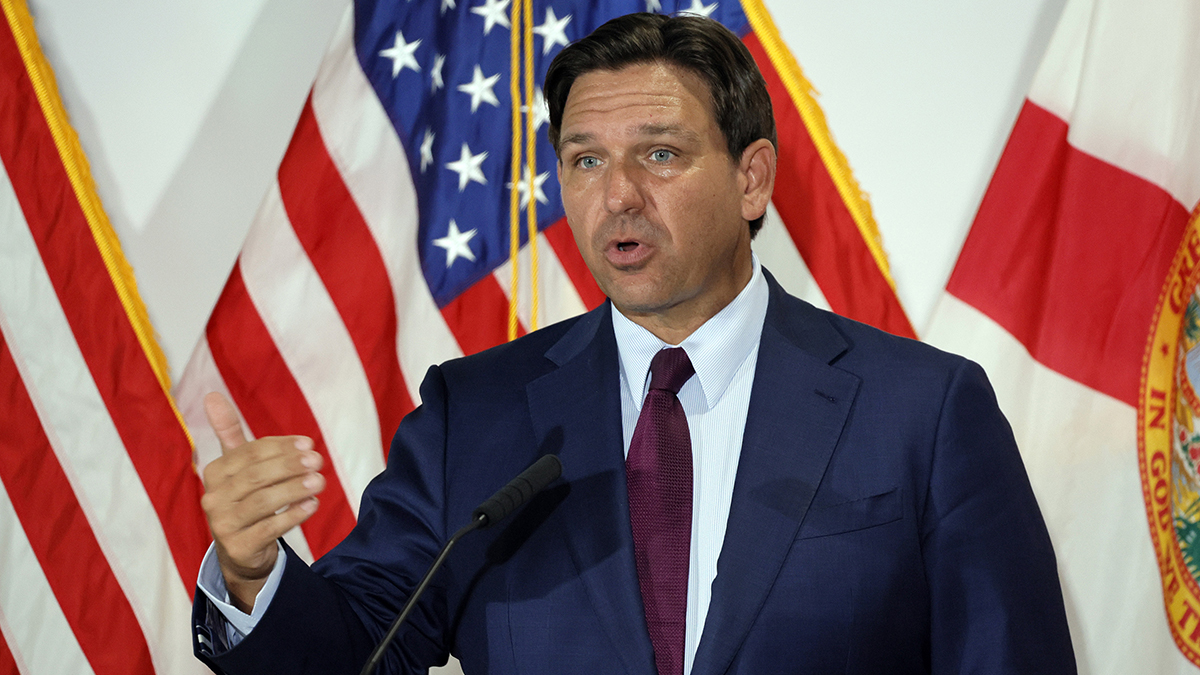
Florida homeowners — especially in hard‑hit South Florida — are set to see rare and substantial reductions in their property insurance premiums. Gov. Ron DeSantis announced an average statewide Citizens Insurance decrease of 8.7%, with even larger savings of up to 14% in counties like Miami-Dade, Broward, and Palm Beach. State officials credit recent legal and regulatory reforms for stabilizing the market, attracting new insurers, and delivering the first meaningful rate relief Floridians have seen in years.
Tampa’s commercial real estate market isn’t slowing—it’s maturing. With strong population growth, rising office demand, a normalized industrial sector, resurgent retail, and an emerging health‑care real estate boom, investors are shifting from speed to strategy. Tighter underwriting, cautious capital and increased due‑diligence are shaping a more disciplined market, creating new opportunities for informed professionals.
Florida homeowners are finally seeing relief as Citizens Property Insurance announces a major 8.7% average rate decrease—far larger than originally proposed. Driven by legislative reforms, fewer lawsuits, and a calm hurricane season, the state’s once‑unstable insurance market is showing real signs of recovery. But with reduced coverage limits and shifting legal protections, experts warn that lower premiums may come with hidden trade‑offs.
After a decade of rising premiums and retreating carriers, Florida homeowners are finally seeing long‑awaited relief. Dozens of insurers have filed for rate decreases—some as high as 11%—thanks to legislative reforms and a stabilizing market. Early approvals are already hitting counties across the state, and experts say the momentum could boost buyer confidence, affordability, and competition throughout Florida’s real estate and insurance sectors.
After years of slowed activity caused by rising interest rates, the self‑storage industry is heating up again. New data from Marcus & Millichap shows a fresh market cycle emerging, driven by renewed buyer confidence, recalibrated pricing, and stronger lender participation. Acquisitions are rebounding, development is resetting in a healthier direction, and financing conditions are improving—creating one of the most promising investment landscapes the sector has seen in years.
Brookline’s newly updated FEMA flood maps identify 97 high‑risk parcels, but local experts warn the true threat is far greater. While FEMA highlights river‑based flooding around Leverett Pond and the Muddy River, alternative models show more than 1,300 Brookline properties at risk within 30 years. Hidden vulnerabilities along major corridors like Beacon Street, rising rainfall intensity, aging infrastructure, and climate‑driven storm patterns suggest that many “low‑risk” areas may be anything but safe.