In the heart of California’s housing debate lies Proposition 33, a measure that could redefine how cities across the Golden State approach rent control. Currently, a 1995 state law, known as the Costa–Hawkins Rental Housing Act, restricts local governments from imposing certain types of rent control. Proposition 33 seeks to repeal this law, granting cities the authority to implement stricter rent regulations.
The Proposition’s Impact Proposition 33 has sparked a heated debate. Proponents argue that repealing Costa–Hawkins would allow cities to tailor rent control measures to their unique needs, potentially easing the financial burdens on renters. Tenant advocates highlight the urgent need for such flexibility, especially as housing costs continue to soar. According to the Harvard Joint Center for Housing Studies, over half of renters in the Los Angeles area are burdened by housing costs, with many spending more than 30% of their income on rent.
Opponents, however, caution against potential negative economic impacts. They argue that expanding rent control could decrease property values and discourage investment in housing. Landlord groups and realtors are particularly vocal, emphasizing that similar measures were rejected in 2018 and 2020.
Understanding Costa–Hawkins
The Costa–Hawkins Act currently prevents rent control on single-family homes, condos, and units built after certain dates. It also allows “vacancy decontrol,” enabling landlords to set new market rates once a unit is vacated. Repealing this act through Proposition 33 would remove these restrictions, giving cities the latitude to enact their own rent control measures without state-imposed limitations.
Financial Implications
The California Legislative Analyst’s Office warns that the proposition could lead to a reduction in local property tax revenues, potentially impacting community services. Yet, supporters believe the benefits of local control and potentially more affordable housing options outweigh these concerns.
Historical Context
The push for stronger rent controls is not new in California. The original LAist article notes that similar propositions have appeared on ballots twice before, only to be defeated. This time, advocates hope that growing concerns over housing affordability will sway voters.
Conclusion
As California prepares to vote on Proposition 33, the debate encapsulates broader discussions about housing, affordability, and local governance. Whether this measure will succeed where others have failed remains to be seen, but the conversation it has sparked is undeniably crucial for the future of California’s housing landscape.
More Articles
Getting licensed or staying ahead in your career can be a journey—but it doesn’t have to be overwhelming. Grab your favorite coffee or tea, take a moment to relax, and browse through our articles. Whether you’re just starting out or renewing your expertise, we’ve got tips, insights, and advice to keep you moving forward. Here’s to your success—one sip and one step at a time!
In the fast-evolving world of insurance, a transformative shift is underway, driven by the development of customer-centric ecosystems. As highlighted in a comprehensive study by EY, insurance ecosystems are reshaping the industry by focusing on customer engagement, trust, and operational excellence.
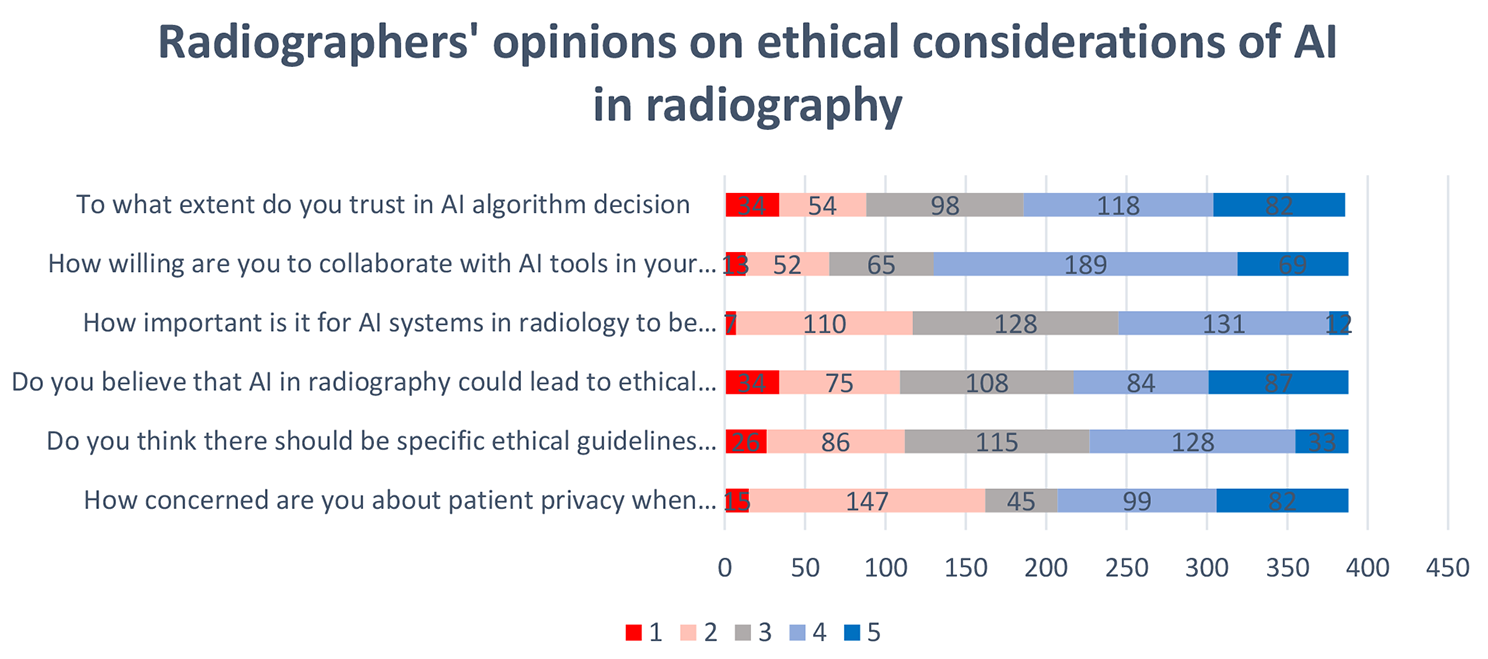
The integration of artificial intelligence in radiography brings a host of ethical challenges that demand careful consideration. A recent study highlights the diverse perspectives of radiographers, revealing significant knowledge gaps and varying trust levels in AI-driven decisions. Concerns over patient privacy and the need for dedicated ethical guidelines are pivotal as healthcare embraces AI.
AI tools are already delivering significant value and are poised to further transform healthcare. Embracing these changes today will position organizations and individuals to capture the long-term benefits of a more effective, efficient, and personalized healthcare system.
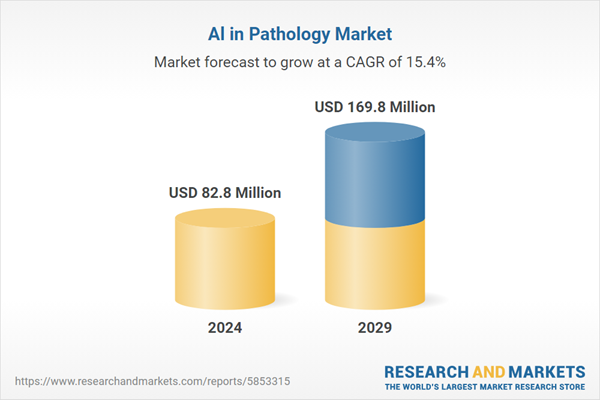
AI in pathology is revolutionizing the field by enhancing the analysis of clinical data, genomic information, and disease progression. These advancements are not only streamlining personalized treatment plans but also optimizing healthcare resource allocation.
In an era where data reigns supreme, the integration of artificial intelligence (AI) and machine learning (ML) into the realm of precision medicine is not just a possibility but a burgeoning reality.