In the heart of California’s housing debate lies Proposition 33, a measure that could redefine how cities across the Golden State approach rent control. Currently, a 1995 state law, known as the Costa–Hawkins Rental Housing Act, restricts local governments from imposing certain types of rent control. Proposition 33 seeks to repeal this law, granting cities the authority to implement stricter rent regulations.
The Proposition’s Impact Proposition 33 has sparked a heated debate. Proponents argue that repealing Costa–Hawkins would allow cities to tailor rent control measures to their unique needs, potentially easing the financial burdens on renters. Tenant advocates highlight the urgent need for such flexibility, especially as housing costs continue to soar. According to the Harvard Joint Center for Housing Studies, over half of renters in the Los Angeles area are burdened by housing costs, with many spending more than 30% of their income on rent.
Opponents, however, caution against potential negative economic impacts. They argue that expanding rent control could decrease property values and discourage investment in housing. Landlord groups and realtors are particularly vocal, emphasizing that similar measures were rejected in 2018 and 2020.
Understanding Costa–Hawkins
The Costa–Hawkins Act currently prevents rent control on single-family homes, condos, and units built after certain dates. It also allows “vacancy decontrol,” enabling landlords to set new market rates once a unit is vacated. Repealing this act through Proposition 33 would remove these restrictions, giving cities the latitude to enact their own rent control measures without state-imposed limitations.
Financial Implications
The California Legislative Analyst’s Office warns that the proposition could lead to a reduction in local property tax revenues, potentially impacting community services. Yet, supporters believe the benefits of local control and potentially more affordable housing options outweigh these concerns.
Historical Context
The push for stronger rent controls is not new in California. The original LAist article notes that similar propositions have appeared on ballots twice before, only to be defeated. This time, advocates hope that growing concerns over housing affordability will sway voters.
Conclusion
As California prepares to vote on Proposition 33, the debate encapsulates broader discussions about housing, affordability, and local governance. Whether this measure will succeed where others have failed remains to be seen, but the conversation it has sparked is undeniably crucial for the future of California’s housing landscape.
More Articles
Getting licensed or staying ahead in your career can be a journey—but it doesn’t have to be overwhelming. Grab your favorite coffee or tea, take a moment to relax, and browse through our articles. Whether you’re just starting out or renewing your expertise, we’ve got tips, insights, and advice to keep you moving forward. Here’s to your success—one sip and one step at a time!
The global digital health market is set to skyrocket, with projections estimating it will reach $551.09 billion by 2027. This growth is fueled by innovations that are setting new benchmarks in healthcare delivery.
AI is being hailed as a "triple threat" in radiology, impacting planning, scanning, and diagnosis. As detailed in a recent column by Kelly Londy of GE HealthCare, these intelligent imaging systems are ushering in seismic changes reminiscent of the transformative impact of computer-assisted tomography in the late 20th century.
In a significant move that has captured the attention of economists and homebuyers alike, the Federal Reserve recently announced a half-percentage-point cut in interest rates. This decision is poised to bring about notable changes in the housing market, though not all effects may be beneficial for prospective homeowners.
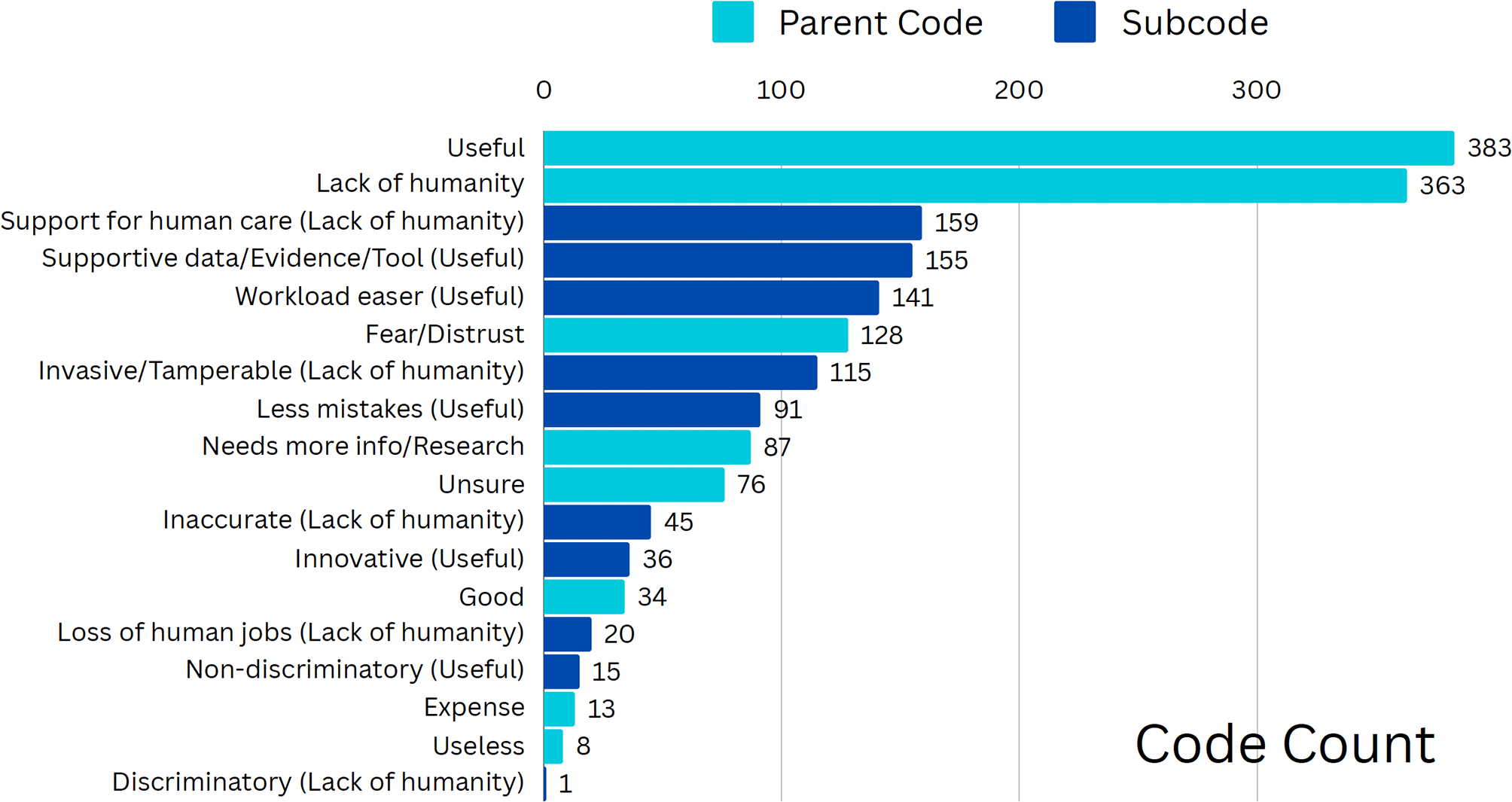
In the rapidly evolving landscape of healthcare, the integration of artificial intelligence (AI) stands as a beacon of both promise and concern. The research underscores a significant tension: while AI has the capability to enhance healthcare delivery, there is palpable unease about its impact on the traditional physician-patient relationship.
As artificial intelligence (AI) technology advances, it presents a myriad of ethical dilemmas and challenges that demand urgent attention. The USC Annenberg School for Communication and Journalism recently explored these pressing issues, highlighting the complexities involved in AI's deployment.