PropTech Explodes to $16.7 Billion: Why 2025 Became a Turning Point for Real Estate Innovation
Proptech isn’t just having a moment — it’s having a full‑on renaissance. According to
FacilitiesDive, investors poured an impressive
$16.7 billion into property technology in 2025, representing a massive 67.9% increase from the previous year.
This isn’t just growth — it’s a launch point that pushes the industry well beyond pre‑pandemic highs.
The Center for Real Estate Technology & Innovation
(CRETI) confirms that even with cautious investor behavior and tighter scrutiny,
capital formation staged a confident comeback. But what’s more compelling than the dollar amount is where this money is going.
What’s Driving This Surge?
Investors are focusing heavily on AI‑powered tools that integrate directly into daily operations — not shiny distractions, but mission‑critical systems.
From automated building controls and occupancy intelligence to predictive maintenance and portfolio analytics, the most funded platforms are those delivering immediate, measurable impact.
Matt Knight, executive director at the Foundation for Innovation in Real Estate, summarized the mood best:
“Each of the last two years, people are like, ‘It can’t be as bad as last year.’ But it kind of has been.”
Even so, industry optimism remains strong — largely because the long‑expected wave of consolidation still hasn’t hit.
In the multifamily sector, tension between banks and borrowers continues to shape tech spending. While many predicted acquisitions and mergers, most have yet to materialize, adding complexity to the innovation landscape.
2026: The Year of Selective Growth
According to Aaron Ru of RET Ventures, capital isn’t disappearing — it’s simply being distributed more selectively.
Companies with proven fundamentals, strong retention, and loyal user bases are rising to the top. Meanwhile, startups from the frothy 2021–2022 era may encounter new pressures.
Technologies currently leading the pack include:
Leasing and marketing automation systems
Intelligent maintenance and procurement optimization
Resident communication and engagement platforms
Portfolio‑level data visibility tools
Artificial intelligence remains the star of the show — but expectations have matured. No more surface‑level “AI-washed” features.
Investors want durable, operationally essential AI built on powerful, well‑structured data systems.
As margins tighten and operational expectations rise, efficiency and simplification are becoming the core themes of 2026.
Teams are getting leaner, challenges more complex — and technology must not only perform, but also pay for itself quickly.
The Cameron Academy Takeaway
Proptech isn’t just reshaping real estate — it’s rewriting the skills professionals need to stay competitive.
Whether you’re entering the industry or expanding your expertise, understanding emerging technologies is no longer optional.
Cameron Academy supports future‑ready professionals with licensing and continuing education across real estate, mortgage, insurance, finance, and more.
The industry is moving fast — and we make sure you can move faster.
Proptech’s astonishing $16.7B milestone is far more than a headline. It’s a signal.
A shift.
A new era for the real estate industry — and those who stay informed will be the ones who lead it.
More Articles
Getting licensed or staying ahead in your career can be a journey—but it doesn’t have to be overwhelming. Grab your favorite coffee or tea, take a moment to relax, and browse through our articles. Whether you’re just starting out or renewing your expertise, we’ve got tips, insights, and advice to keep you moving forward. Here’s to your success—one sip and one step at a time!
"AI and machine learning are emerging as powerful technologies to address this issue, improving the accuracy of medical diagnosis and revolutionizing healthcare with their myriad applications."
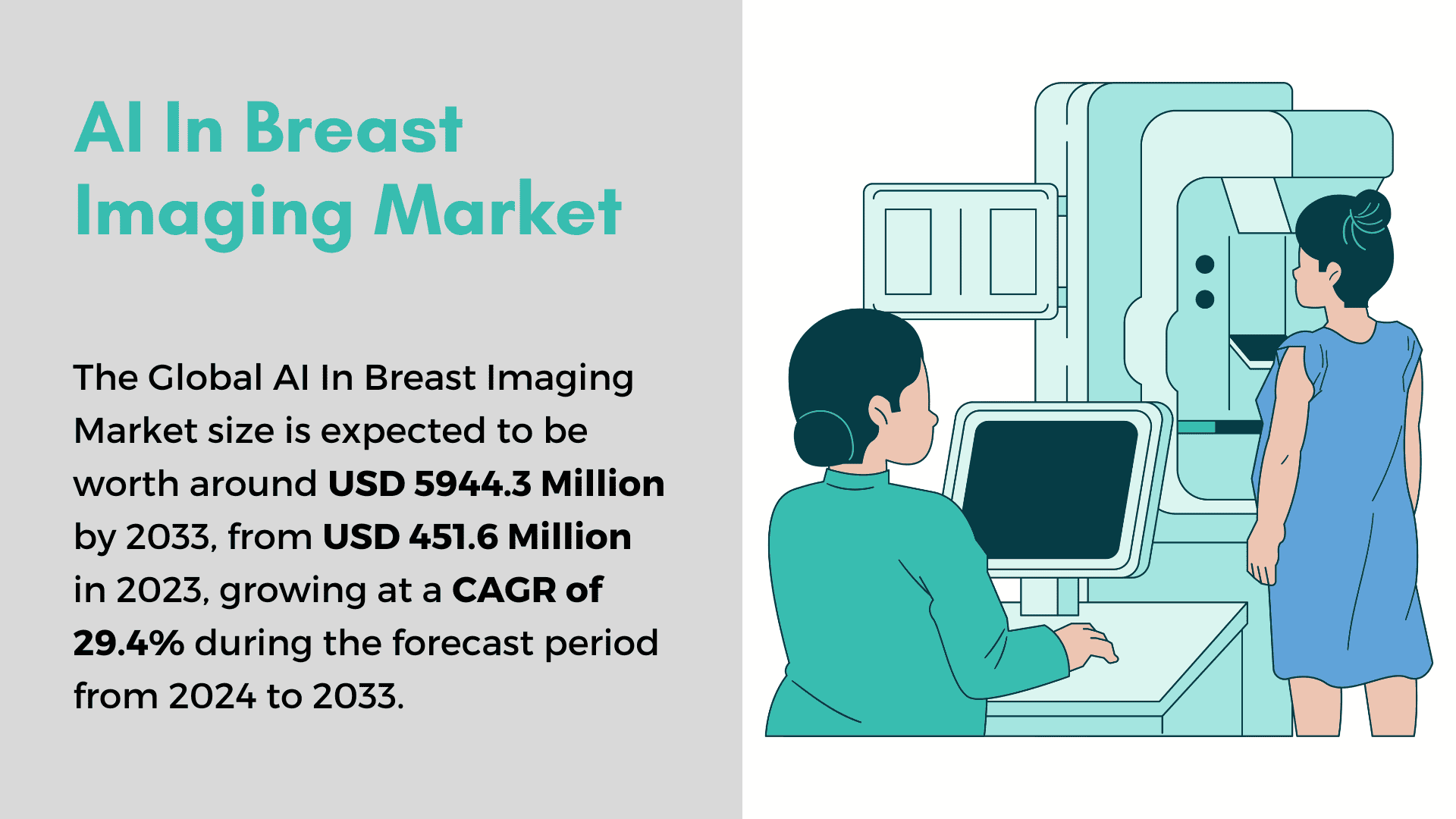
The global AI in breast imaging market is on a remarkable growth trajectory, projected to swell from USD 451.6 million in 2023 to an impressive USD 5944.3 million by 2033. This represents a compound annual growth rate (CAGR) of 29.4%, primarily driven by cutting-edge advancements in AI technologies that significantly enhance diagnostic accuracy, facilitate early detection, and boost healthcare efficiency.
Virtual real estate in metaverses is becoming a focal point for investors worldwide, with digital plots of land mirroring traditional real estate value based on location, size, and platform popularity.
Artificial intelligence (AI) and machine learning are at the forefront of revolutionizing in-vitro diagnostic (IVD) tools, redefining diagnostics and enhancing healthcare outcomes on multiple fronts.
As we edge closer to 2030, the life sciences industry stands on the threshold of transformative changes. With a global valuation exceeding $2 trillion, the sector is poised for significant growth, driven by technological advancements and an aging population.
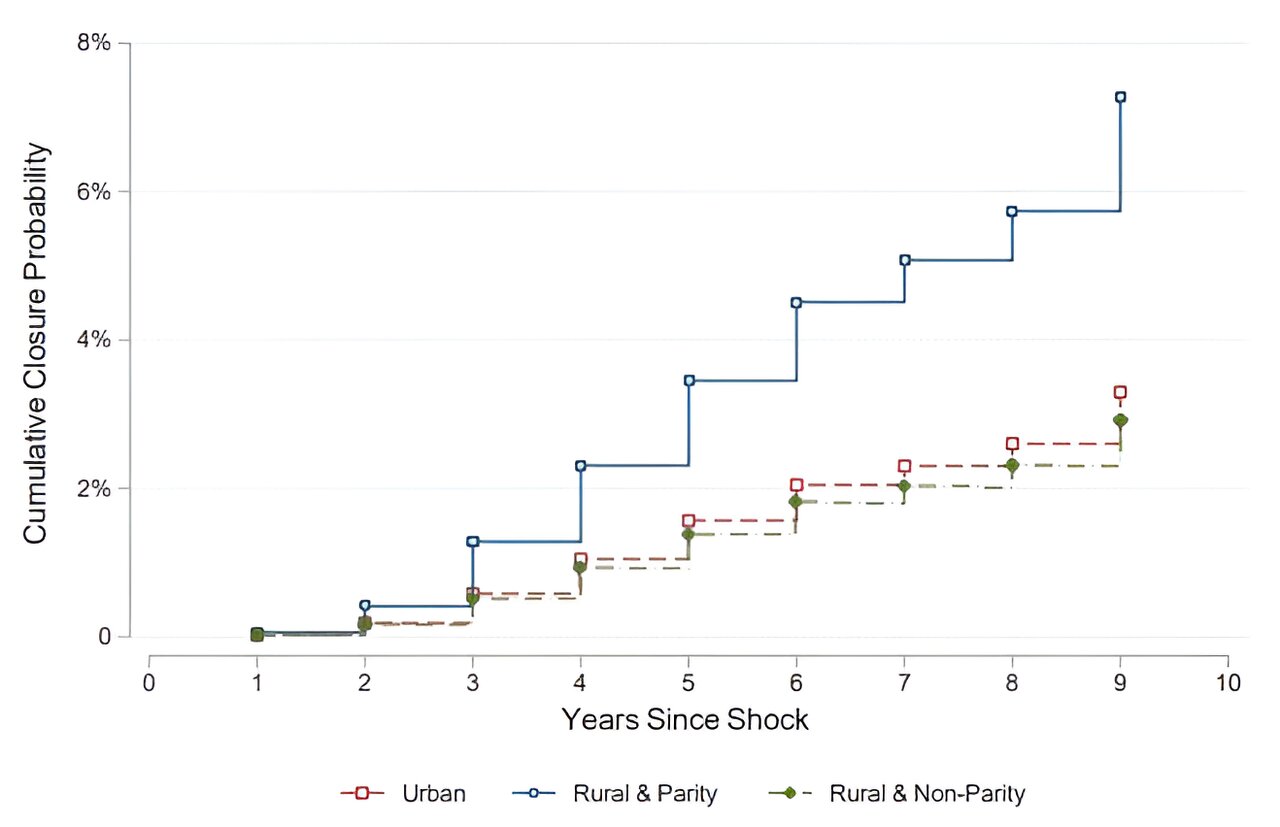
The advent of telehealth has revolutionized the way patients, particularly those in rural areas, access health care. By offering remote consultations and follow-up care, telehealth provides a convenient alternative to traveling long distances to urban hospitals. However, this technological advancement brings with it a set of challenges that could reshape the rural health care landscape.